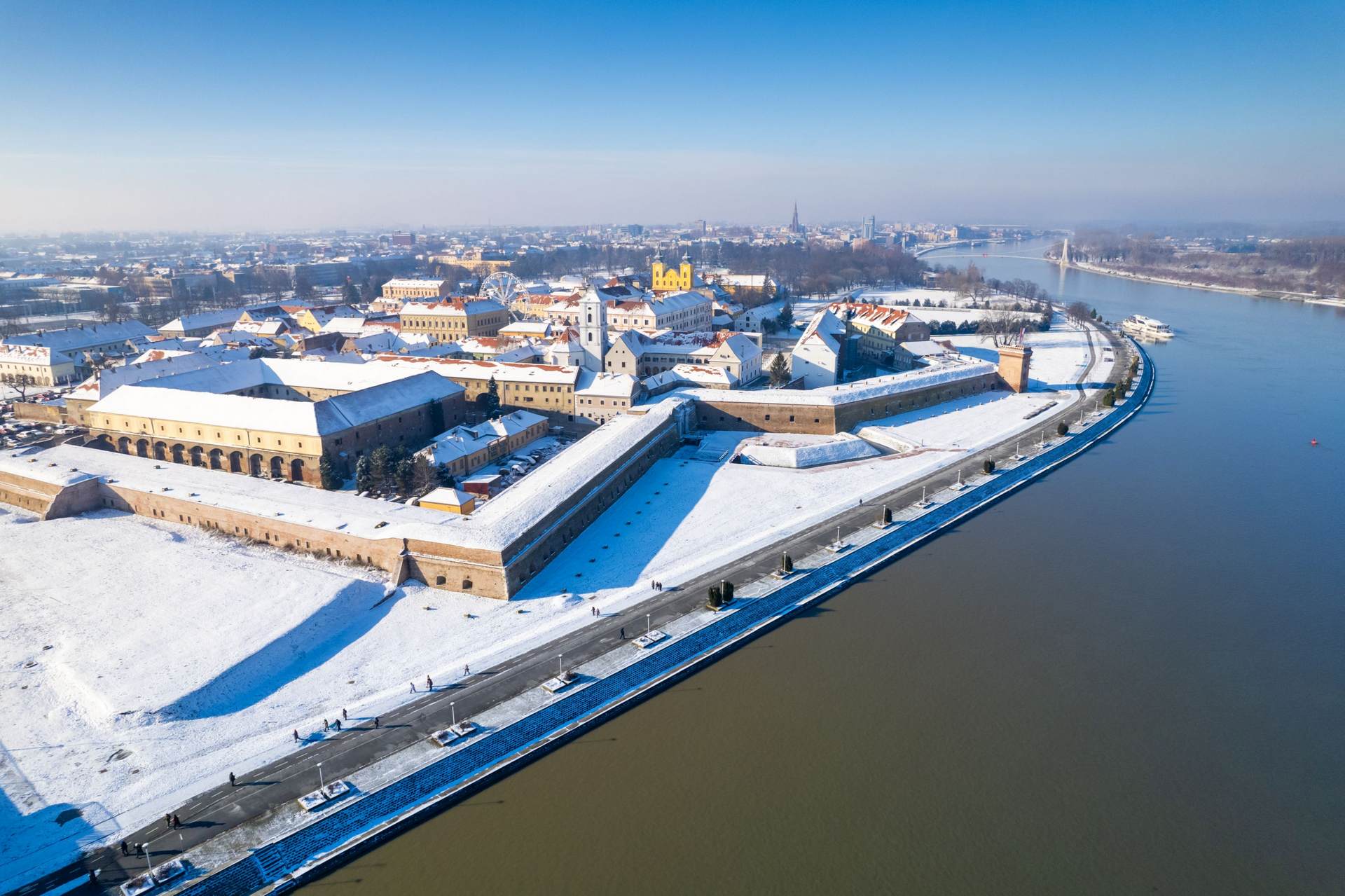
Croatian Danube Region – Osijek in winter by Mario Đurkić Horizont Solutions
Croatia
Osijek-Baranja County
Located close to the magical marshlands of the “Heart of the Danube” – the Kopački rit Nature Park, Osijek and the nearby wine region of Baranja this time of year turn into a festive holiday wonderland. The aromas of mulled wine from the Advent market waft through the romantic streets of the old town as an invitation to return just after New Year as a guest at the largest festival of Danube wines.


Croatian Danube Region – Osijek in winter by Mario Đurkić Horizont Solutions
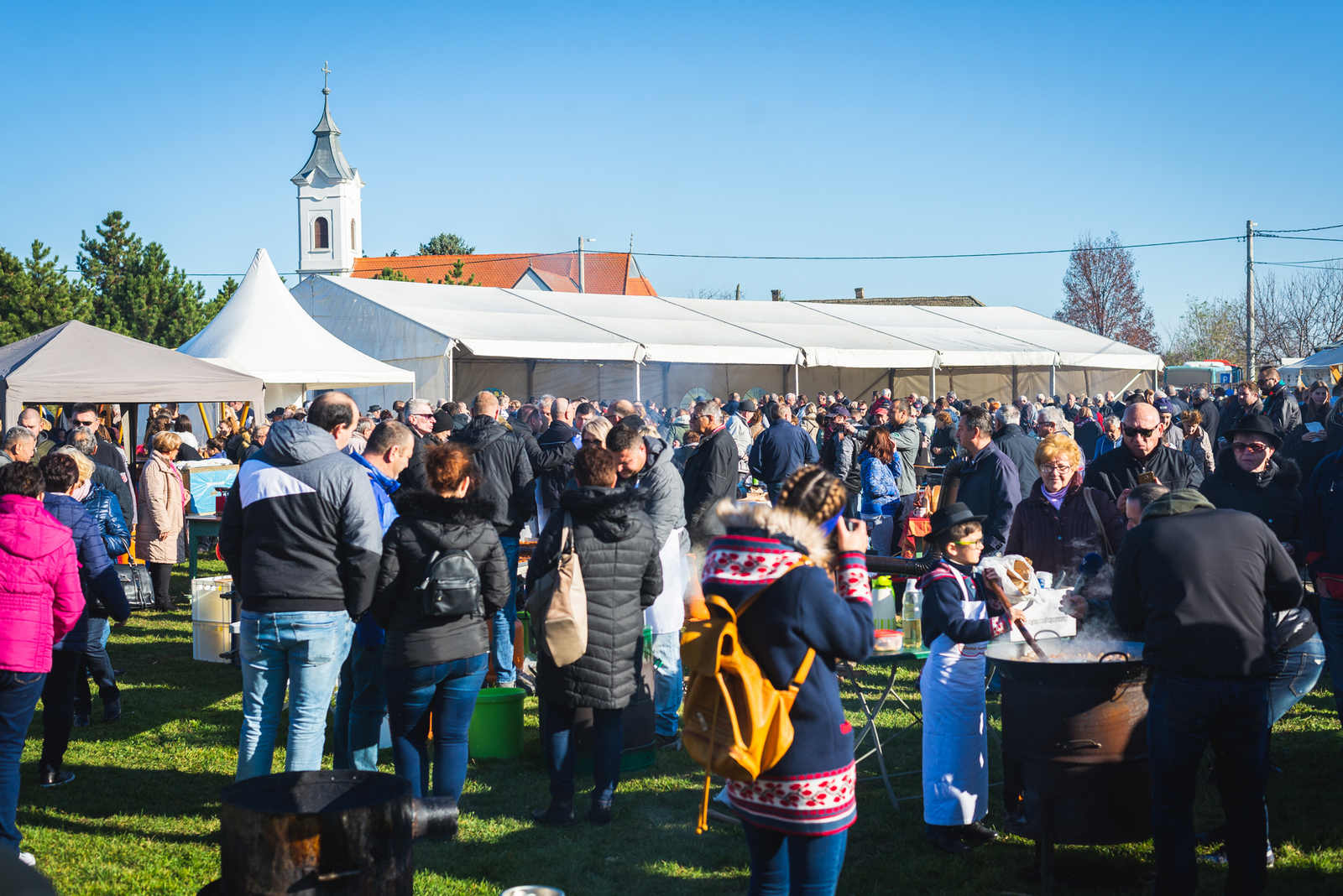
Croatian Danube Region – Karanac Winter Fair in Baranja by Dubravko Franjin
Karanac Winter market
By the end of November, the ethno-village of Karanac is filled with the aroma of homemade delicacies and mulled brandy, accompanied by the cheerful sound of tamburica, all in the name of the winter fair. The fairgrounds are the meeting point for more than 60 producers of cured meats, traditional dishes, and all kinds of handicrafts. There’s plenty of cooking there, too: steaming pots bubble away over open fires, and carp is grilled on wooden stakes (rašlje). The food tastes best when eaten with a spoon or even with your fingers! And if you miss out on the winter market, be sure to visit a similar village fair, the Karanac Spring market, taking place a week before Easter.
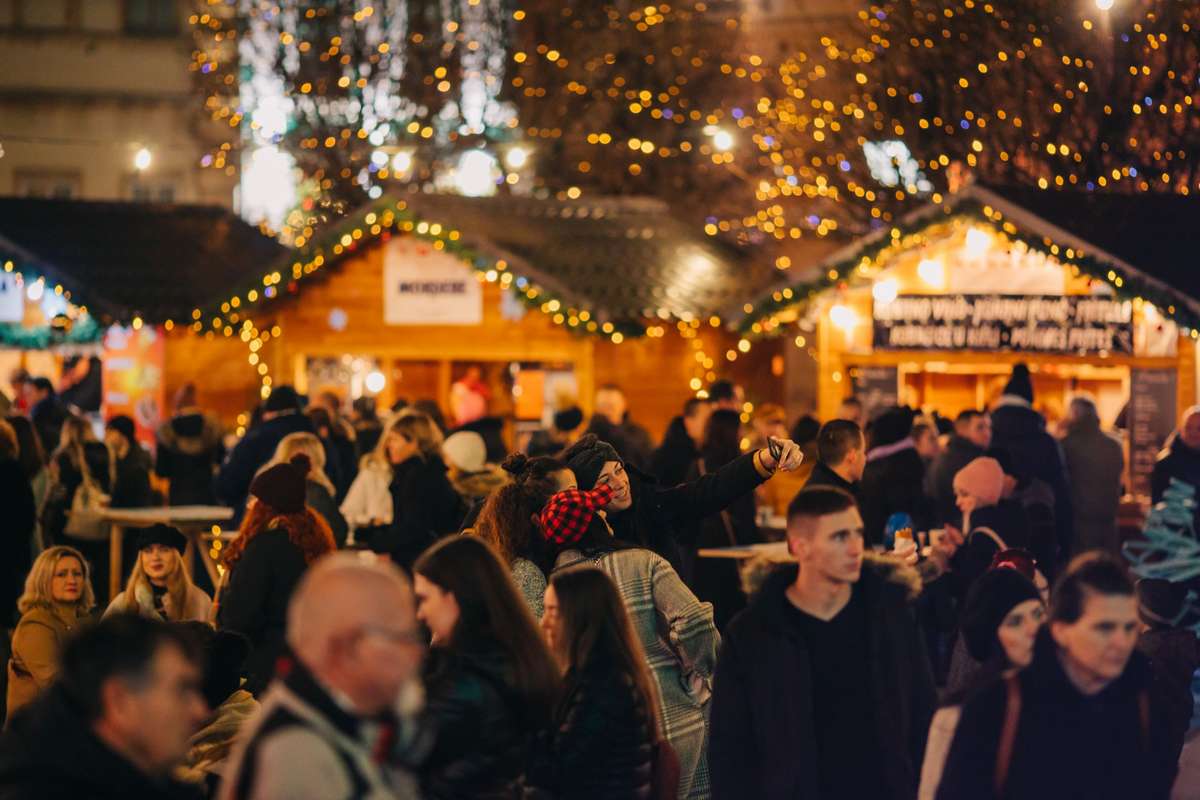
Croatian Danube Region – Christmas market in Osijek by Mario Đurkić Horizont Solutions
Advent in Osijek – Christmas festival
This holiday season discover the joyful Christmas events in Osijek which begin on the first Advent weekend and last until New Year’s Eve. Visit exhibitions, concerts and theatre shows such as everyone’s favorite “The Nutcracker” ballet and the magnificent New Year’s Concert in the Croatian National Theater. The central holiday event is the “Advent in Osijek” festival in the magical baroque old town of Tvrđa, where you can enjoy the pleasant atmosphere of Christmas market huts offering a wide range of arts and crafts as well as flavors of the local cuisine, with evening concerts and music styles ranging from Christmas carols to pop and rock music. The enchanted visitors named it “the most romantic in Croatia”, so come and enjoy, with a mug of hot mulled wine from the neighboring Danube wine region, of course.
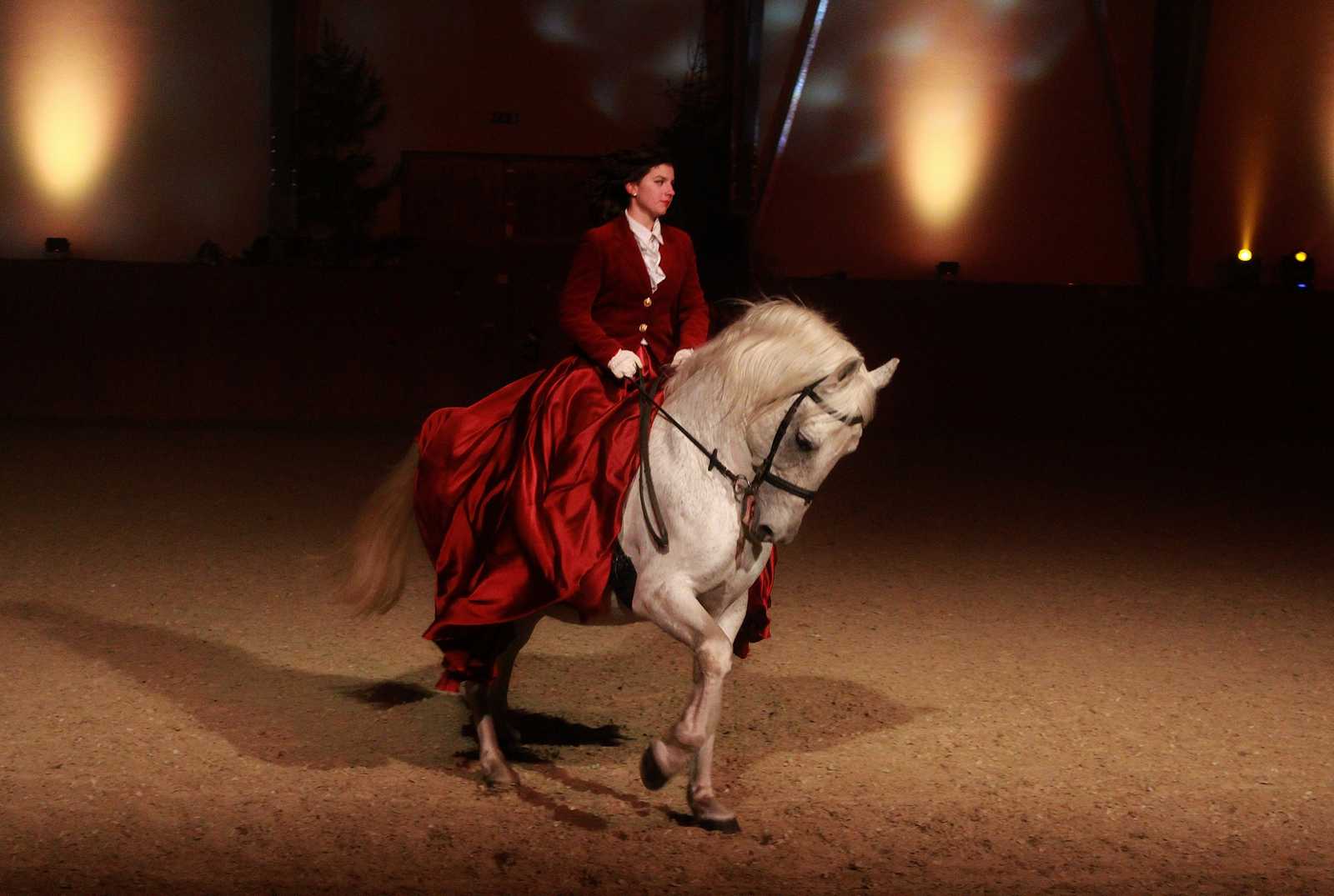
Croatian Danube Region – Lipizzaner Christmas Ball in Đakovo by Silvija Butković
The Lipizzaner Christmas Ball and Advent in Đakovo
During the festive month of December, visit the city of Đakovo and the charming little Christmas market in the city center, close to the impressive 84 meters high twin spires of the St. Peter’s Cathedral. Stroll by the market huts offering traditional food, drinks and handy-crafts, and keep your hands warm with a glass of mulled wine from the local wineries, especially praised for their Gewurztraminer. From the cathedral square take a ride thru the festively decorated streets in a horse-drawn carriage and in the afternoon hours on December 13th, visit the State Lipizzaner Stud Farm and Riding Hall for their special holiday program – the Lipizzaner Christmas Ball. The tickets to this impressive music and theatre show tend to sell pretty fast so be sure to book yours in time.

Croatian Danube Region – WineOS wine festival by Udruga Dekanter
WineOs – festival of wine, delicacies and pleasant living
Winter events in Osijek will continue even after the New Year, on January 16th and 17th 2026, with “WineOS” – the 11th fair and festival of wine, delicacies and pleasant living. It is a celebration for everyone who likes to enjoy life, and visitors will be welcomed again by the best wine producers of Slavonia and the Danube region, and guests from other parts of Croatia and abroad. On the central stage, once again there will be cooking shows and discussions with winemakers, as well as expert workshops for visitors on the topics of wine, cheese and olive oil. Therefore, in mid-January, Osijek will become a lure for everyone who wants to enjoy the finest drops and snacks. Guests who have already visited “WineOS” know all this well. For those who have not yet come to Osijek and its surroundings in the middle of winter, this is the best invitation to visit the east of Croatia in early 2026 and indulge in wine and gastronomic delights.

Croatian Danube Region – Winter Wine and Walk in Baranja by Nenad Milić
Winter wine feasts
On the eve of January 22nd St. Vincent’s day, the diligent vintners from the Danube Region will invite you to join them for the fest of “Vinceška”, one of the most important wine-related traditions in Croatia. Many customs are associated with this holiday, when winter and spring works in the still snow-covered vineyards officially begin. It is a celebration of the vines and vineyards, with the hope and belief that the upcoming wine production season will be successful. During the weekend before and on the day of St. Vincent many wine cellars are open and although most vintners will celebrate with friends, well-intentioned guests are always welcome. Another very popular wine festival named “Winter Wine & Walk Baranja” takes place in February. On the nine-kilometer trail through the wine villages of Suza and Zmajevac wine cellars serve local winter delicacies and their wines from the last harvest. It may be cold, but the spirit stays warm and the winter kit includes cozy hats, rain ponchos and other surprises to keep the participants smiling all the way.
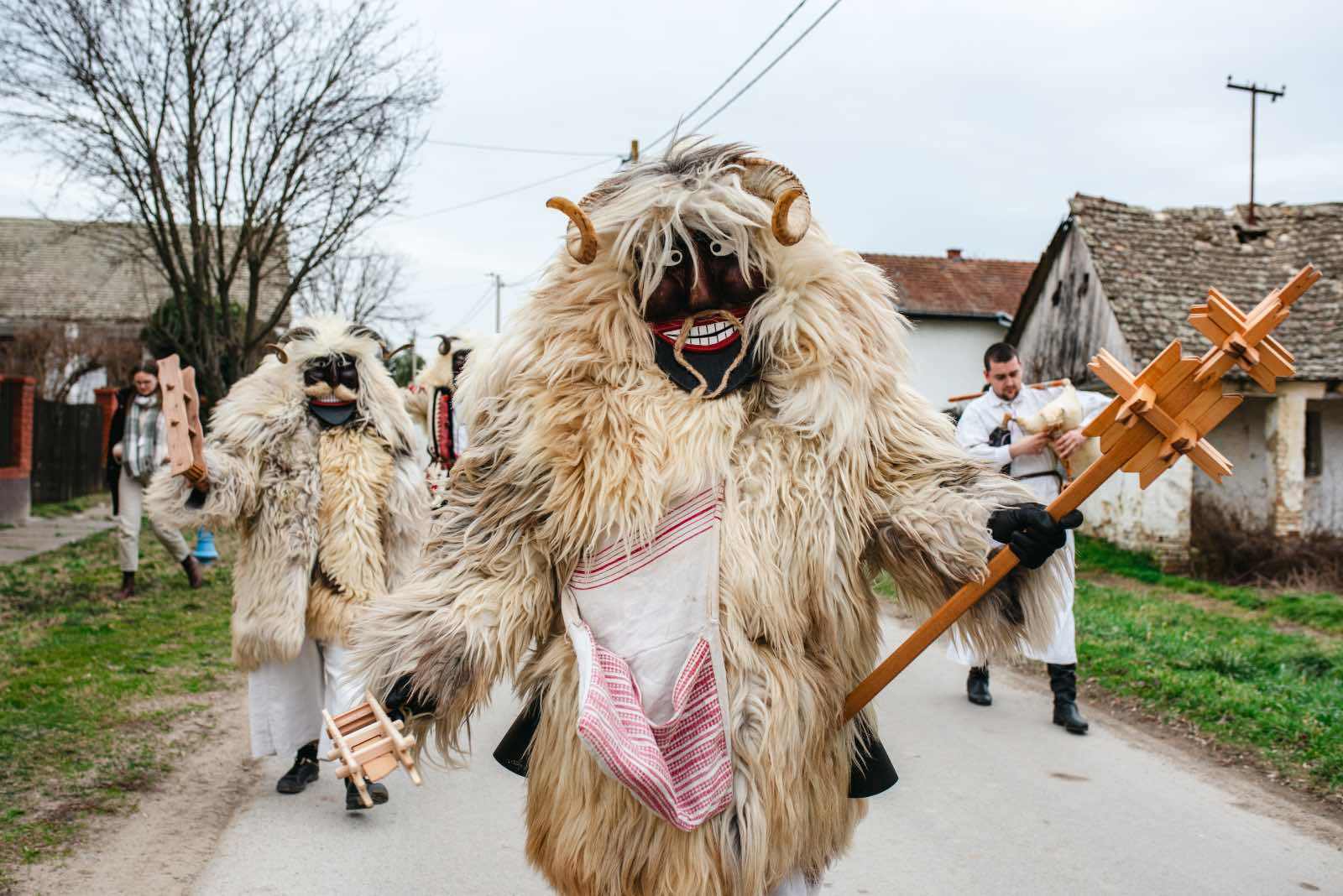
Croatian Danube Region – Carnival masks by Dubravko Franjin
Carnival in the east of Croatia
In Đakovo, town known for its Romanesque cathedral and over 500-year-old Lipizzaner horse farm, in February 7th and 8th 2026, the traditional carnival “Đakovački Bušari”, largest in eastern Croatia, will take place. There you will see the original pre-Christian, scary and horned, and somewhat demonic in appearance “Buša” masks which are supposed to scare away the long cold winter. That same tradition in Hungary is protected as UNESCO intangible world heritage. For many though the most fun are smaller village carnivals in Baranja region along the Danube, where the festivities start a few days before Ash Wednesday. But if you decide to visit, don’t forget your ticket – your own mask, because if you come without it, the boys and girls masked as “Buša” have permission to do whatever trick or treat they want on you!
Vukovar-Srijem County
A new world appears before you in all hues of gold, generously offering you everything it can: a laid – back, lifestyle, renowned hospitality, an outstanding culinary tale, praised wines, ambiance – enhancing architecture, museums, castels… This is a time of the year when one can feel the scent of freshly baked cookies, when freezing cheeks are warmed with mulled wine, when one enjoys the walk through the decorated streets in one’s favourite company…
Pearls of Croatian Danube – Vukovar & Ilok
The destination Vukovar – Vučedol – Ilok was proclaimed a European Destination of Excellence in cultural tourism (EDEN).
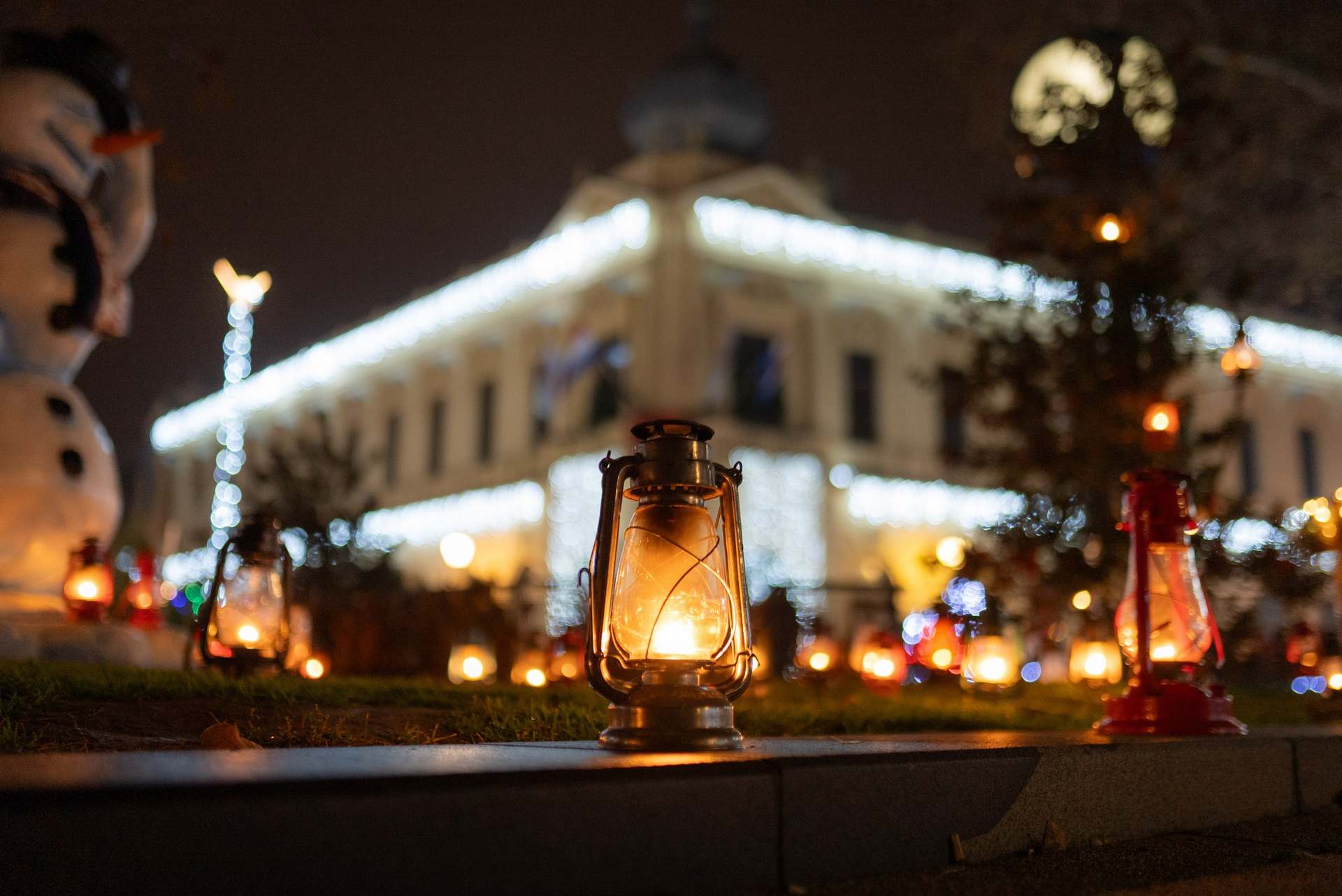
Vedran Čuljak (Arhiva TZ grada Vukovara)
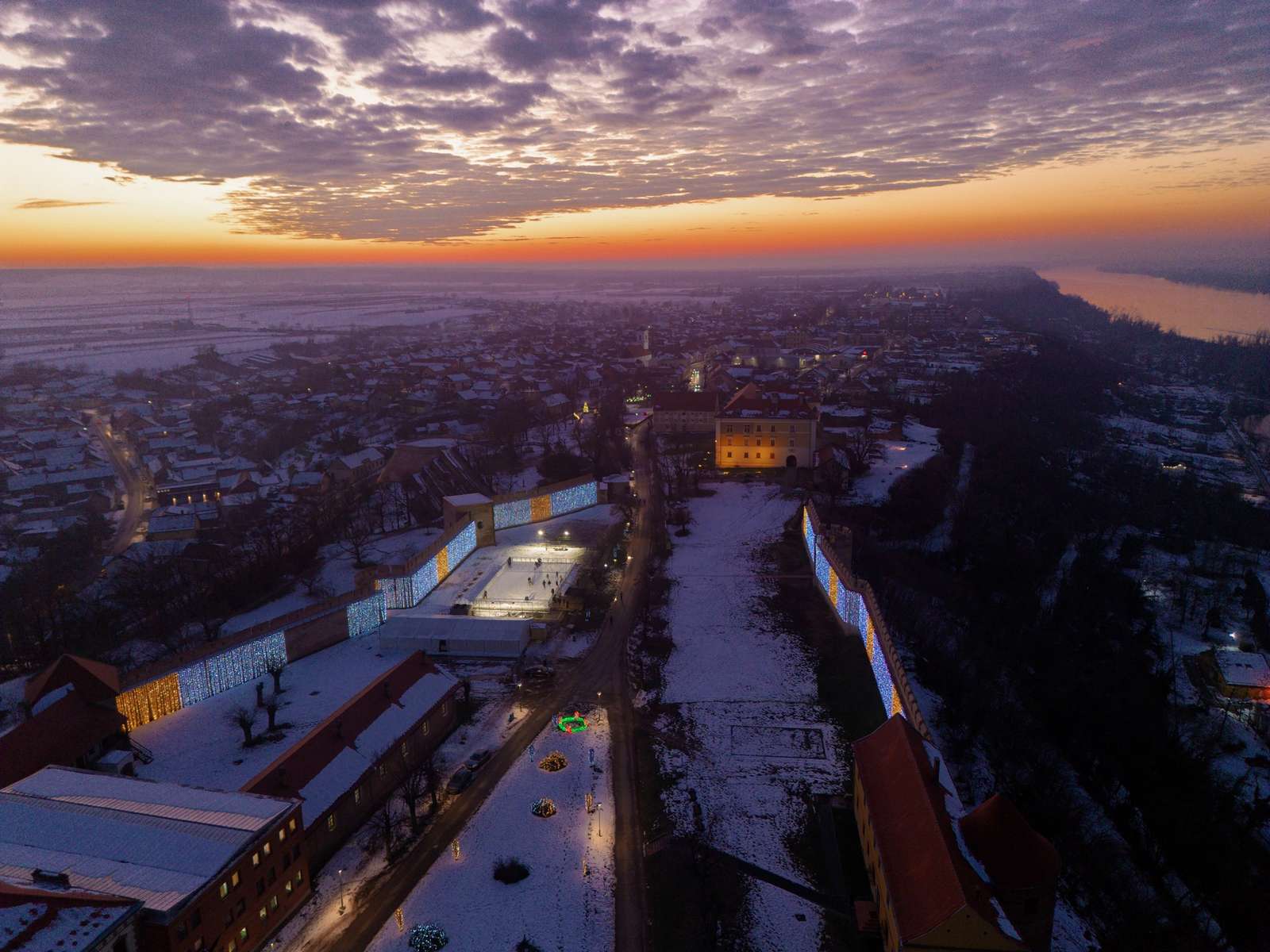
Photo: Arhiva TZ grada Iloka
Ilok
In Ilok you are in the heart of the Srijem wine region, famous for its high – quality wines, particularly the traminer that yields the greatest results here. A tour of the protected historical parto f the town sholud not be missed: medieval walls, the church and sanctuary of ST. John Capistrano, the unique Ottoman structures, the Odescalchi Castle, and an antique wine cellar. So much history in such a small place!

Photo: Vedran Čuljak (Arhiva TZ grada Vukovara)
Vukovar
On its middle course lies Vukovar, a town of powerful symbolics and – museums. Three of them, like pearls lined up along the Danube, and all awarded – the Museum of Vučedol Culture, the Franciscan Museum, and the Vukovar Municipal Museum, located in the imposing building of the Eltz family castle. Visit them and discover the mystical world of Vučedol culture, discover mysterious stories from the past, as well as those from the Vukovar Nocturne, a memory mosaic describing the proudest days of recent Croatian history.
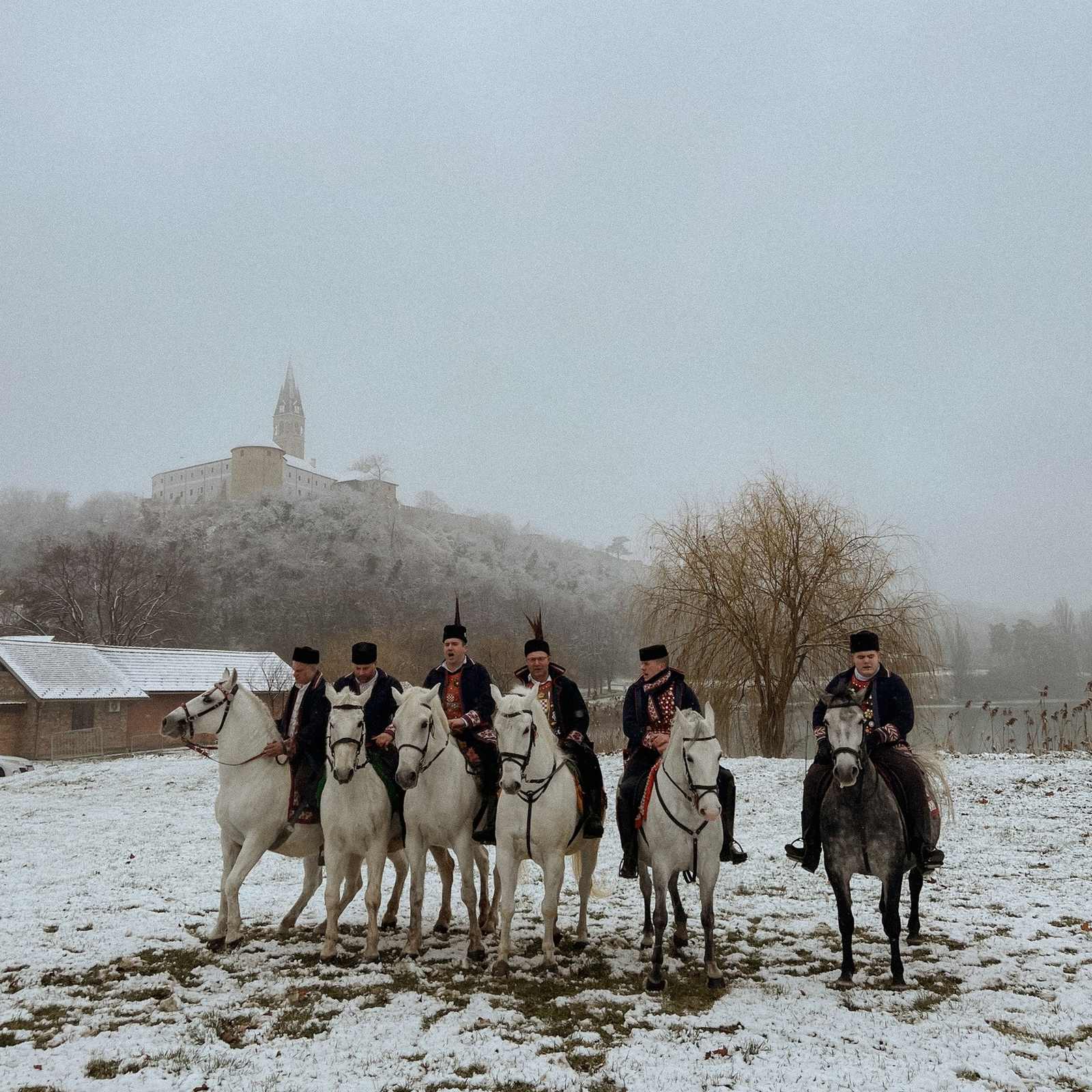
Vinkovo in Ilok
Vinkovo in Ilok (January 22nd – 25th, 2026.)
A manifestation of culture, customs, Srijem drops and delicacies, all in good company at an even better wine party. Although for the past few years there has been no snow during the holidays, just for the feast of St. Vinko, white snowflakes often flutter to beautify the streets of Ilok where the white, decorated Lipizzaners and their riders will pass in the finest embroidered shirts and sayings that they keep for special occasions and carnival rides. In front of the houses, the hosts will welcome them with rolls, jamar, cvarci, sausage and wine, and everyone will gather at the carnival fair in the old town center where they will be welcomed by tambura players and Ilok winemakers with their finest harvests, but also carp on forks, roasted sausages and bacon and smoked buncek.
All Ilok’s accommodation facilities are filled months in advance because no one wants to miss the event’s rich program, which offers something new every year.
Christmas recipes in Srijem and Slavonia
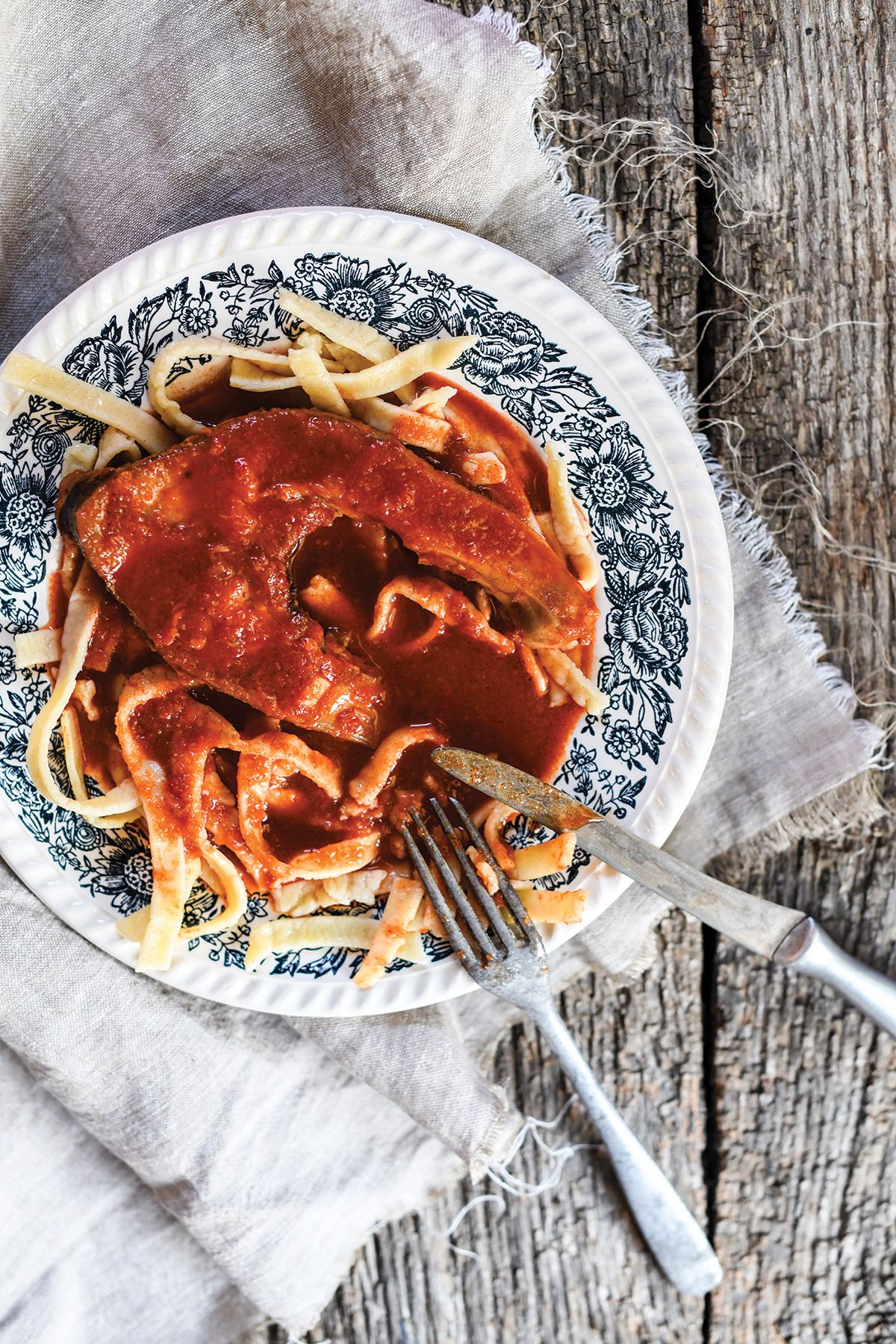
author Sanja Mijac (arhiva TZ VSŽ)
‘Fiš paprikaš’ (fish soup) in the traditional way
Ingredients for 10 persons
- Carp (cleaned) 2.00 kg
- 2 types of other fish – catfish/pike 1.00 kg
- Oil 0.10 l
- Red onions 0.40 kg
- Homemade tomato juice 0.50 l
- Tomato jam (pureed) 0.15 kg
- Salt, Vegeta spice 0.02/0.01 kg
- White wine 0.20 l
Put a little fat and water to sauté red onions, then purée it, add water or half a litre of white fish soup stock with minced cooked fish. Add tomatoes (juice and purée), salt and red pepper sweet and hot, black pepper if you want and let it boil for 10 minutes. Then add 10% more soup stock than the needed amount of soup. Let it boil slowly adding fish that was previously marinated in spices (wine, a few drops of vinegar or lemon juice). Let the fish simmer for approximately 15 minutes. When cooked, add the rest of the wine. Serve it with homemade tagliatelle.
Wine recommendation: Graševina, Knezović Winery
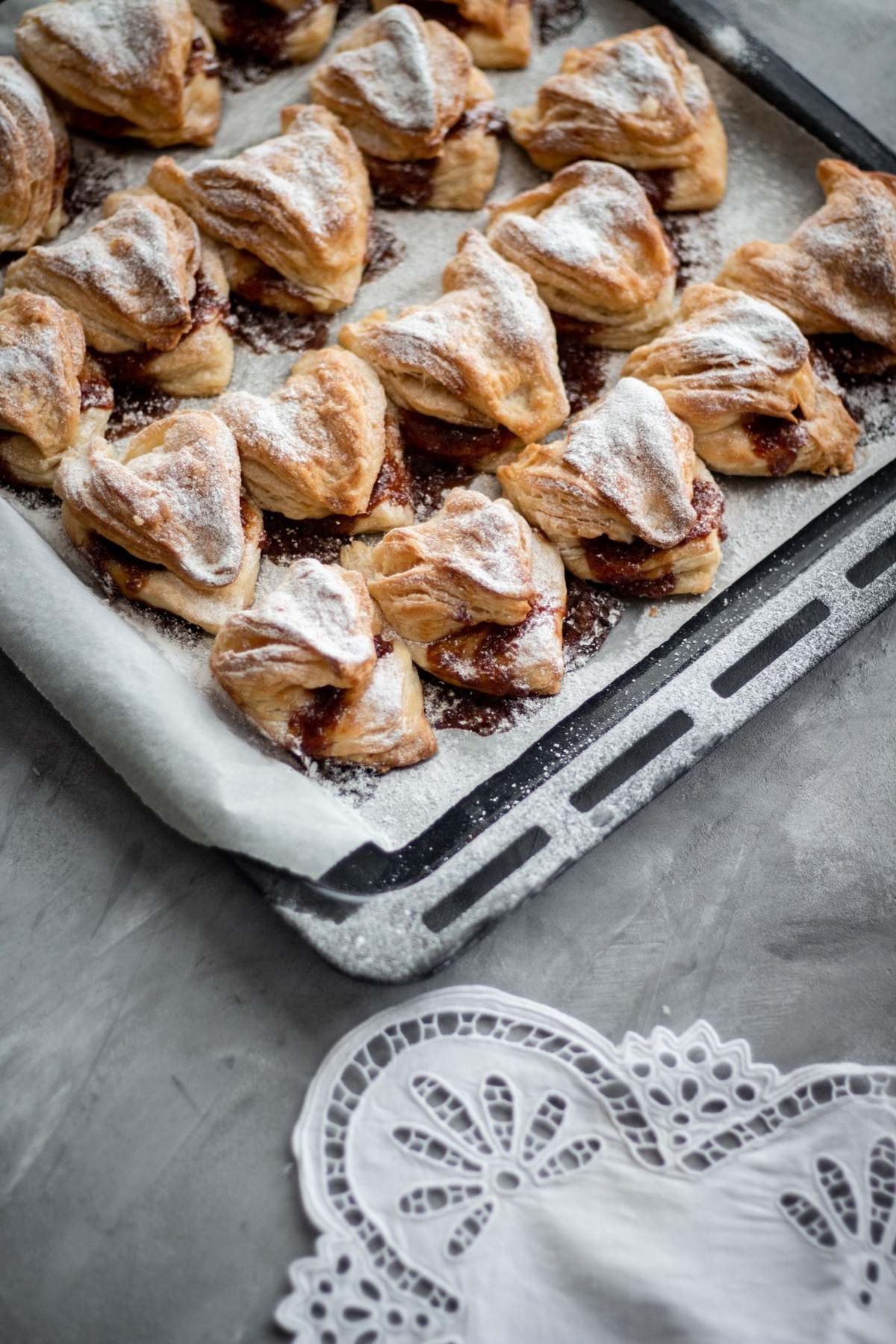
Salenjaci by author Tanja Pastuović Klaić
‘Salenjaci’
This is most certainly a cake of Srijem and Slavonia that stands out with its character, extraordinariness and with what it symbolizes. Lard in a dessert? You will find nothing like it anywhere else. Only someone who has not tasted this small confectionary piece of art can be suspicious.
The doe of the ‘salenjaci’ is airy, like puffed pastry, so that the ‘salenjaci’ are something like the Slavonian version of croissants, stuffed with thick jam or ground walnuts soaked in hot milk. If you find them somewhere when they are still warm, you will not be able to take just one.
RECIPE:
- Flour (70% of soft and 30% of hard flour) – 1.00 kg
- Milk – 0.50 l
- Mineral water – approximately 2 dcl
- 3 spoons of sugar – 0.06 kg
- Salt – 0.015
- Egg – 1-2 pieces
- Fresh yeast – 1 cube
- Lard – 0.40 kg
PREPARATION:
Add sugar and crushed yeast to diluted lukewarm milk and let it rest on the side in a warm place. Put the flour into a mixing bowl (90%) and make a hole in it so you can put all the other ingredients into it. Snow is made from egg whites and fermented yeast. Mix the ingredients lightly until the dough is soft (not too soft). Let it rise for half an hour on a flour covered base, roll it out and spread the minced lard on the dough and cover it just like for puffed pastry. Let it sit for half an hour. Repeat all the steps two more times. The more times you overlap it, the better the pastry will be.
Afterwards roll it out, cut into triangles and put a little marmalade on each of the triangles, fold it and leave it to rise and put into an oven heated to 200 degrees. When baked, sprinkle it with sugar powder.
Wine recommendation: Traminac, Ilok Wine Cellars

Photo: Sanja Mijac/TZ Vukovar Srijem County
Tačci – Tachke
Ingredients for 10 people
- 9000 g flour (plain 90% and coarse 10%)
- 4 pcs eggs
- 150 g fat (butter, oil, and also grease)
- 150 g fried crumbs
- 40 g salt for preparation and cooking
- 400 g sour cream
DIRECTIONS:
Knead the dough made from flour, eggs and some fat, add lukewarm water if necessary and let it rest for 30 min.
Make a few balls from the dough and knead it until it is about 2 mm thin and cut out the 3 – 4 cm squares with a wheel pastry cutter and let them dry a bit.
Fill them with marmalade or jam as much as you want so that one quarter is filled and the other is folded over and their edges are connected with a decorating pastry wheel.
Put the salted water with some oil on the stove, let it boil and then put the tachke to cook about 20 minutes, then take them out of the water and put them into a dish with poppy or nuts and sugar.