EuroVelo 6
EuroVelo 6 is one of the most popular and longest-established routes in Europe’s cycling network, stretching from the Atlantic coast of France all the way to the Black Sea. Although the full route crosses fourteen countries and follows several river systems — the Loire valley in France, then the Rhine through Switzerland and Germany — its best-known and most heavily ridden section is the one that follows the Danube, Europe’s second-longest river. That Danube segment begins in Tuttlingen, a small town in Baden-Württemberg where the route first descends into the Danube valley after having followed the Rhine through the Schaffhausen area, and from there it continues for nearly 2,500 kilometres to the river’s delta on the Black Sea.
It’s worth drawing a distinction between the EuroVelo 6 designation and what local cyclists usually call the Danube Cycle Path, or Donauradweg. While EuroVelo 6 as an international corridor formally begins in Tuttlingen, the vast majority of cyclists riding “the whole Danube” actually set off from Donaueschingen — the town considered the river’s symbolic source, home to the famous Donauquelle in the park of Fürstenberg Palace. Between Donaueschingen and Tuttlingen lies only a short stretch through the highest, uppermost part of the river’s course, but it gives cyclists the satisfying feeling of having ridden the Danube “from beginning to end,” which is why the Danube Cycle Path is, in practice, almost always counted from Donaueschingen.
The German stretch that follows carries riders through the rolling hill country of Baden-Württemberg and Bavaria, where small medieval towns and castle-topped river bends alternate with broad, easy-going valleys made for cycling. This is a landscape of half-timbered old towns, Romanesque and Gothic church spires, and quiet stretches of riverside forest, eventually opening out near Passau, where the Danube absorbs two further rivers and the character of the journey shifts noticeably as it crosses into Austria.
The Austrian section is widely considered the most scenic of the entire Danube corridor. Here the river carves dramatic loops through wooded hills and flows past one of Europe’s most celebrated wine-growing landscapes, a valley of terraced vineyards, hilltop monasteries, and small riverside towns that has drawn travellers for centuries. Further downstream the Danube widens and slows as it approaches Vienna, the river growing steadily more urban and navigable as the route moves from its alpine origins into the heart of central Europe.
Beyond Vienna, the landscape changes again as the route enters the vast, flat expanse of the Pannonian Plain. Through Slovakia and Hungary, the cycling becomes noticeably easier, following long, level stretches beside a river that has grown wide and slow, occasionally interrupted by dramatic exceptions — a sharp bend hemmed in by hills, a historic capital straddling both banks, a fortress town guarding a river confluence. This is the most urban stretch of the whole route, with the Danube passing through three national capitals in quick succession over a relatively short distance.
The Balkan stretch that follows brings yet another change of character, weaving through the multicultural towns of eastern Croatia and Serbia’s Vojvodina region before reaching Belgrade, where the river meets the Sava beneath an old fortress. From there the route enters its most dramatic natural section: a long, narrow gorge where the Danube cuts directly through the Carpathian and Balkan mountain ranges, squeezed at points into a fraction of its usual width and flanked by sheer cliffs, medieval river fortresses, and some of the oldest known human settlements in Europe. It is widely regarded as the single most spectacular landscape along the entire EuroVelo 6 corridor.
In its final stretch through Romania and Bulgaria, the route flattens out once more into open farmland and slow-moving river plains, marking the border between the two countries for hundreds of kilometres before the Danube finally fans out into its delta. Most cyclists choose to finish their journey either at this vast wetland, one of the richest and least disturbed in Europe, or continue a short distance further to Constanța on the Black Sea coast, completing a journey that began on a hillside above Tuttlingen and carried them across the full breadth of the continent.
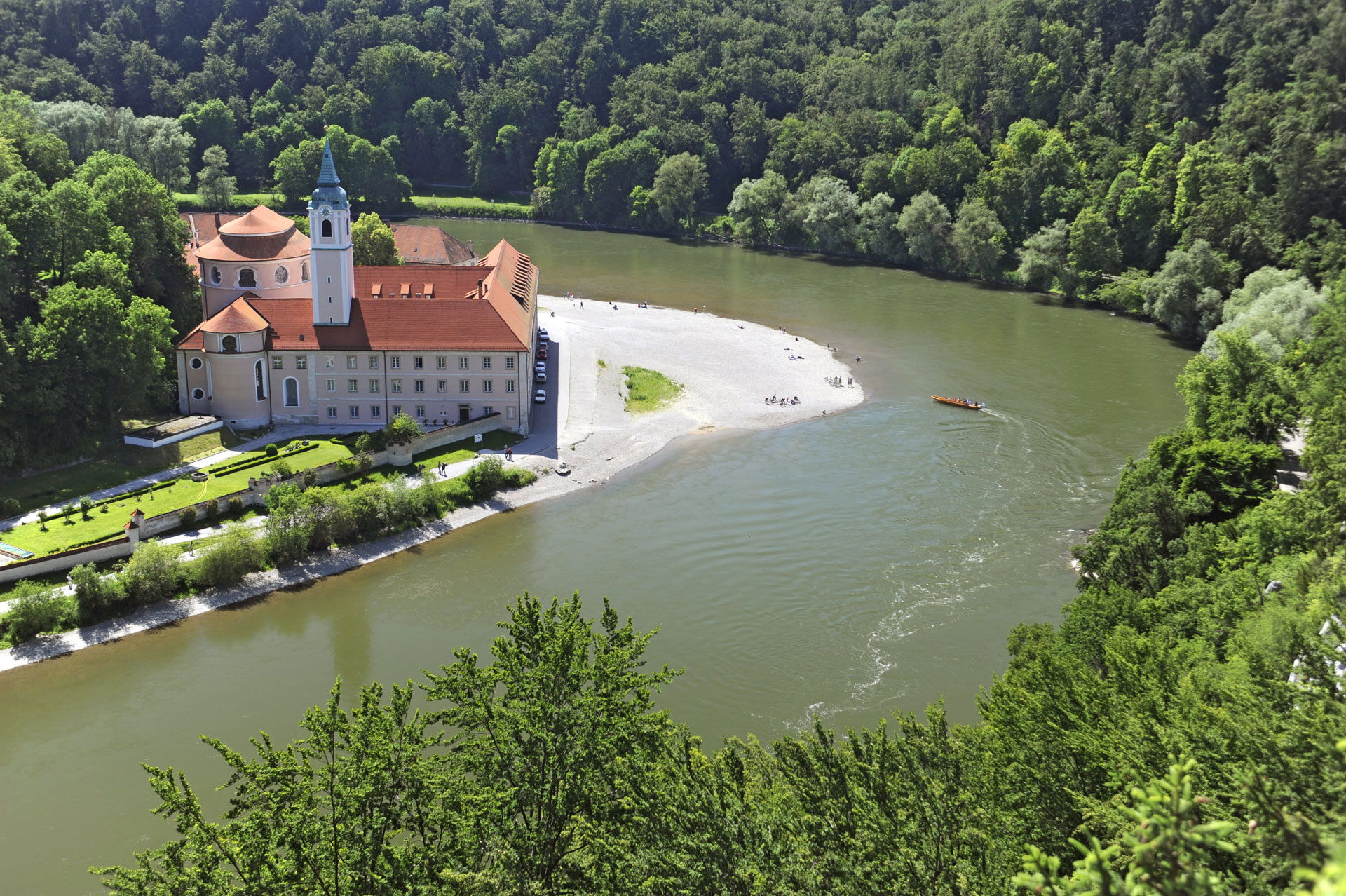
The German stretch of the route is anchored by Sigmaringen, where the Hohenzollern family’s castle rises directly above the river on a chalk cliff, and by Ulm, home to the tallest church spire in the world and a charming Fishermen’s Quarter along the water. A short detour leads to Weltenburg Abbey, a Benedictine monastery brewery set within the dramatic limestone walls of the Danube Gorge. Further downstream, Regensburg’s UNESCO-listed old town and 12th-century Stone Bridge offer one of the best-preserved medieval riverscapes in the country, before the route reaches Passau, the “City of Three Rivers,” right on the Austrian border.
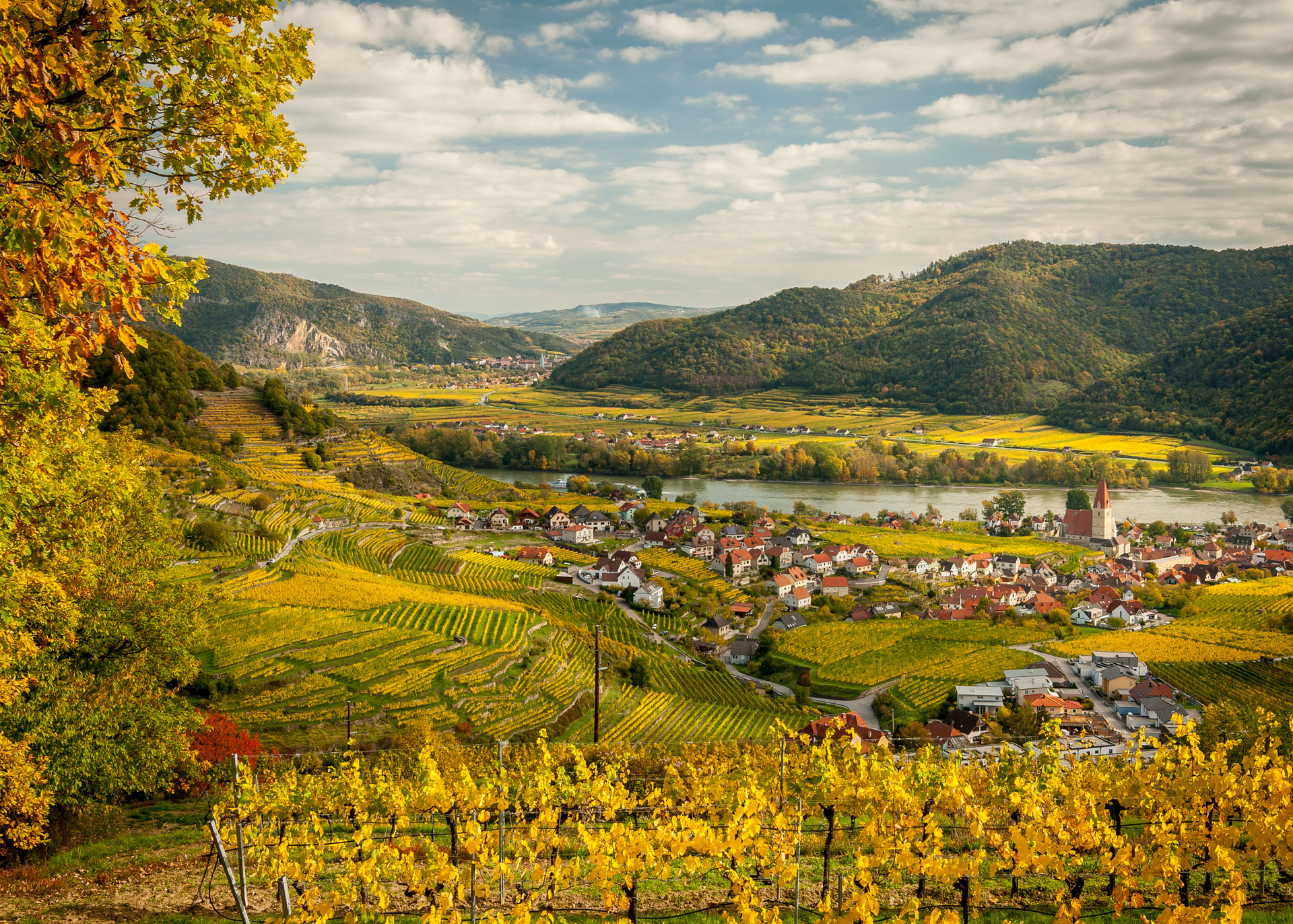
Austria’s section opens with the Schlögener Schlinge, a striking horseshoe bend where the Danube briefly reverses direction through forested hills, followed almost immediately by the Wachau, a UNESCO World Heritage valley of vineyards, terraced slopes, and the Baroque abbey of Melk. The route then passes through Linz before arriving in Vienna, where the river broadens and the journey shifts from alpine scenery to imperial grandeur. Together, these stops make the Austrian stretch one of the most visually rewarding parts of the entire corridor.
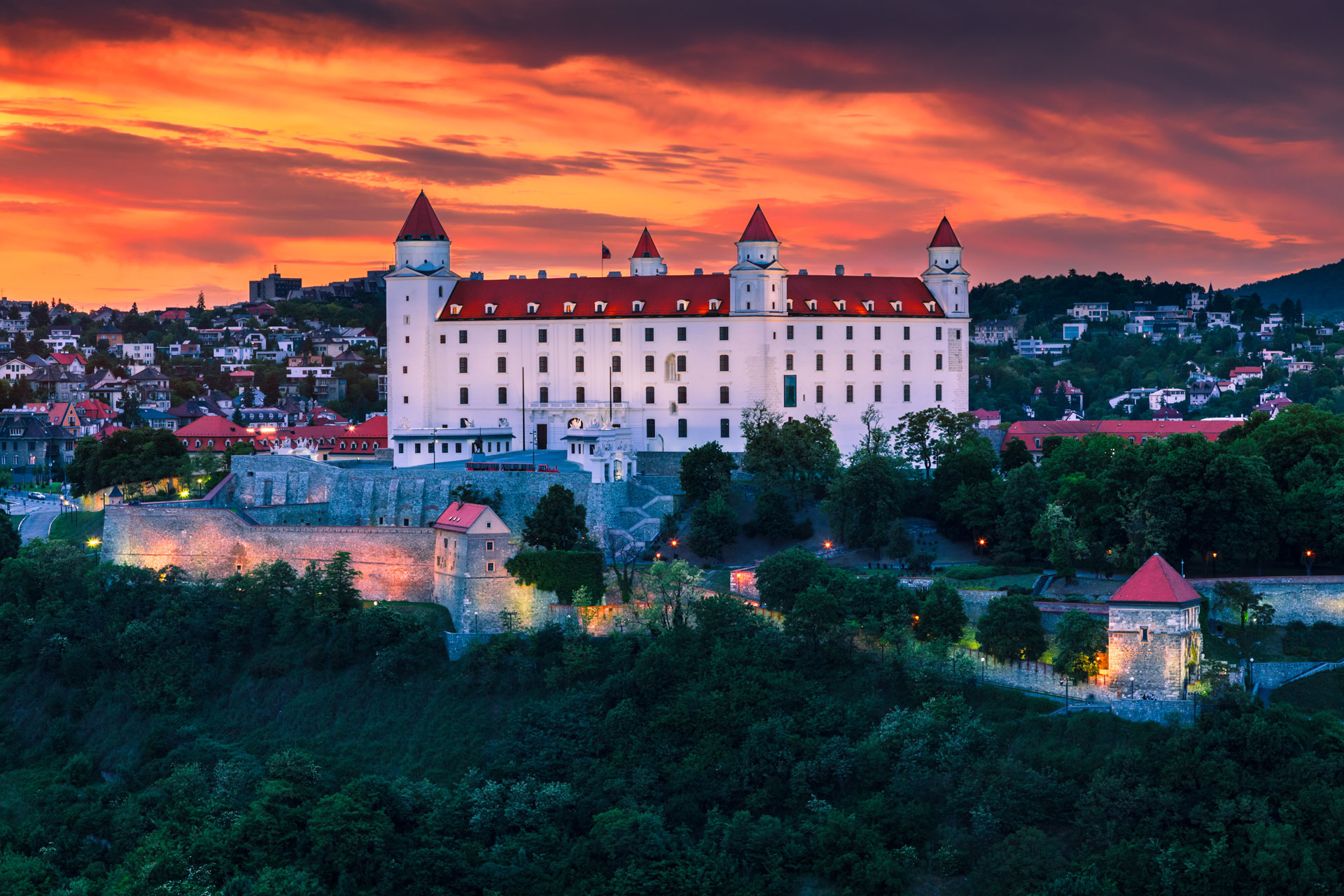
The short Slovak stretch is dominated by two castles facing each other across the landscape: Bratislava Castle, overlooking the capital’s compact and lively old town, and the ruined Devín Castle, perched dramatically on a cliff exactly where the Danube meets the Morava River. Together they bookend a brief but memorable detour before the route crosses into Hungary.
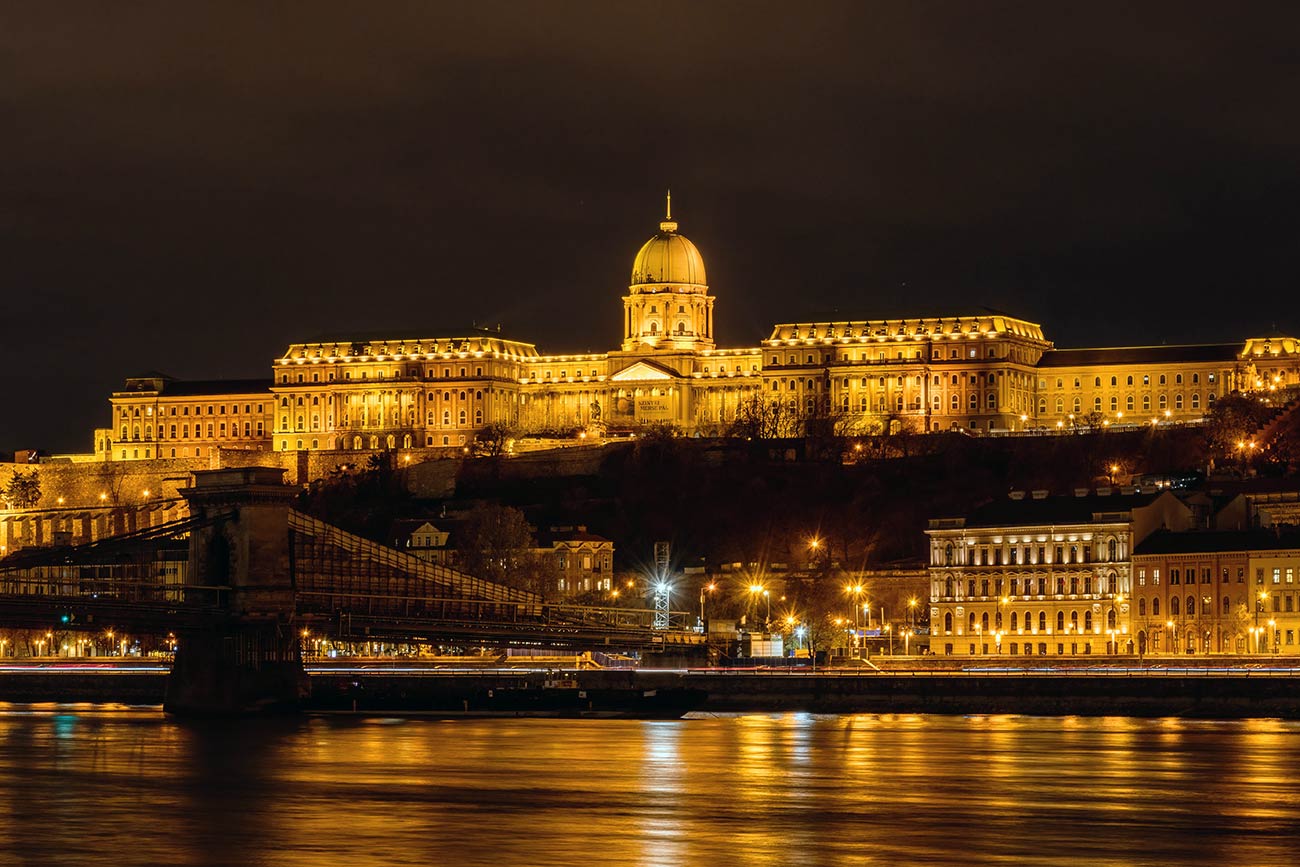
Hungary’s stretch threads together some of the most iconic sights on the entire Danube. Győr’s colorful baroque streets and Esztergom’s towering basilica lead into the scenic Danube Bend near Visegrád, where the river curves sharply beneath a hilltop medieval citadel. The route culminates in Budapest, where castle hills, thermal baths, and the riverside Parliament building combine to make the Hungarian capital one of the most memorable stops on the whole journey.
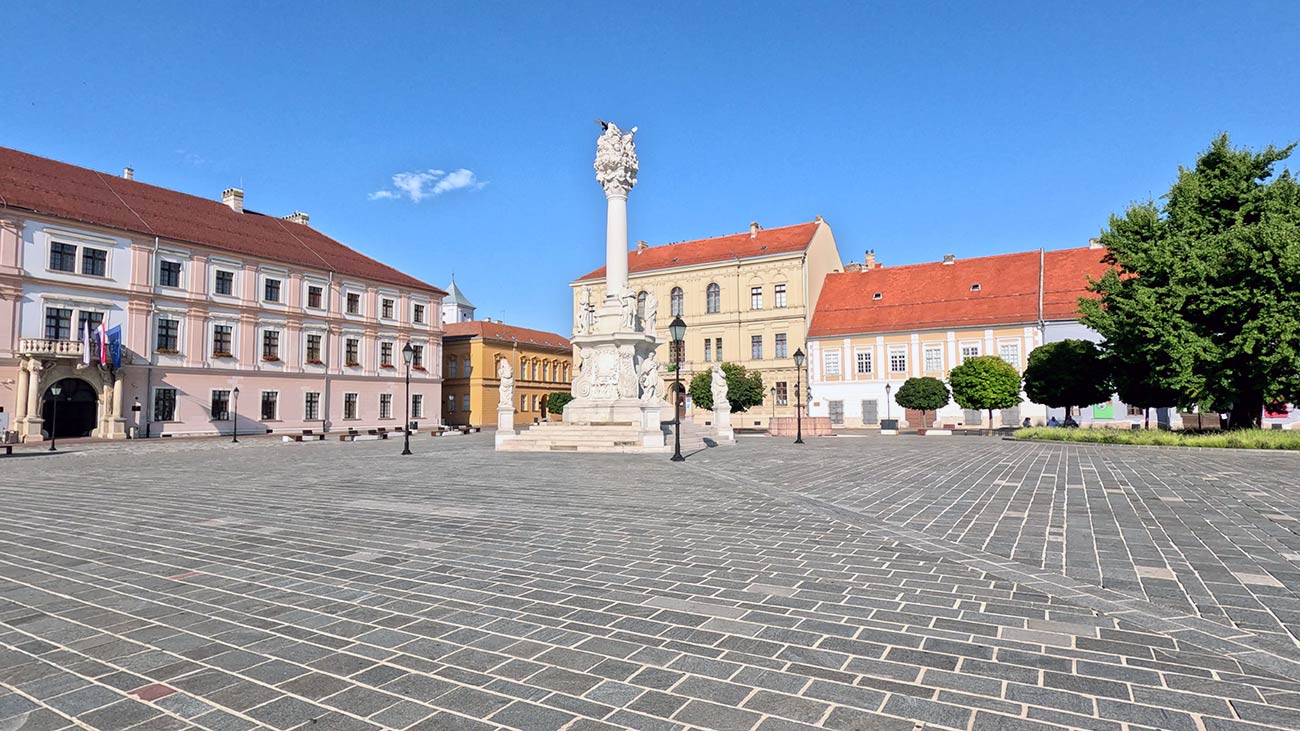
The Croatian section runs through the heart of eastern Slavonia, taking in Osijek’s Habsburg-era fortress district, the Tvrđa, and Vukovar, a historic river port rebuilt after the 1990s war and recognizable by its Baroque water tower. Nearby, the Vučedol Culture Museum tells the story of one of Europe’s most important Copper Age sites, while the hilltop vineyards and fortress of Ilok mark Croatia’s easternmost point along the route.
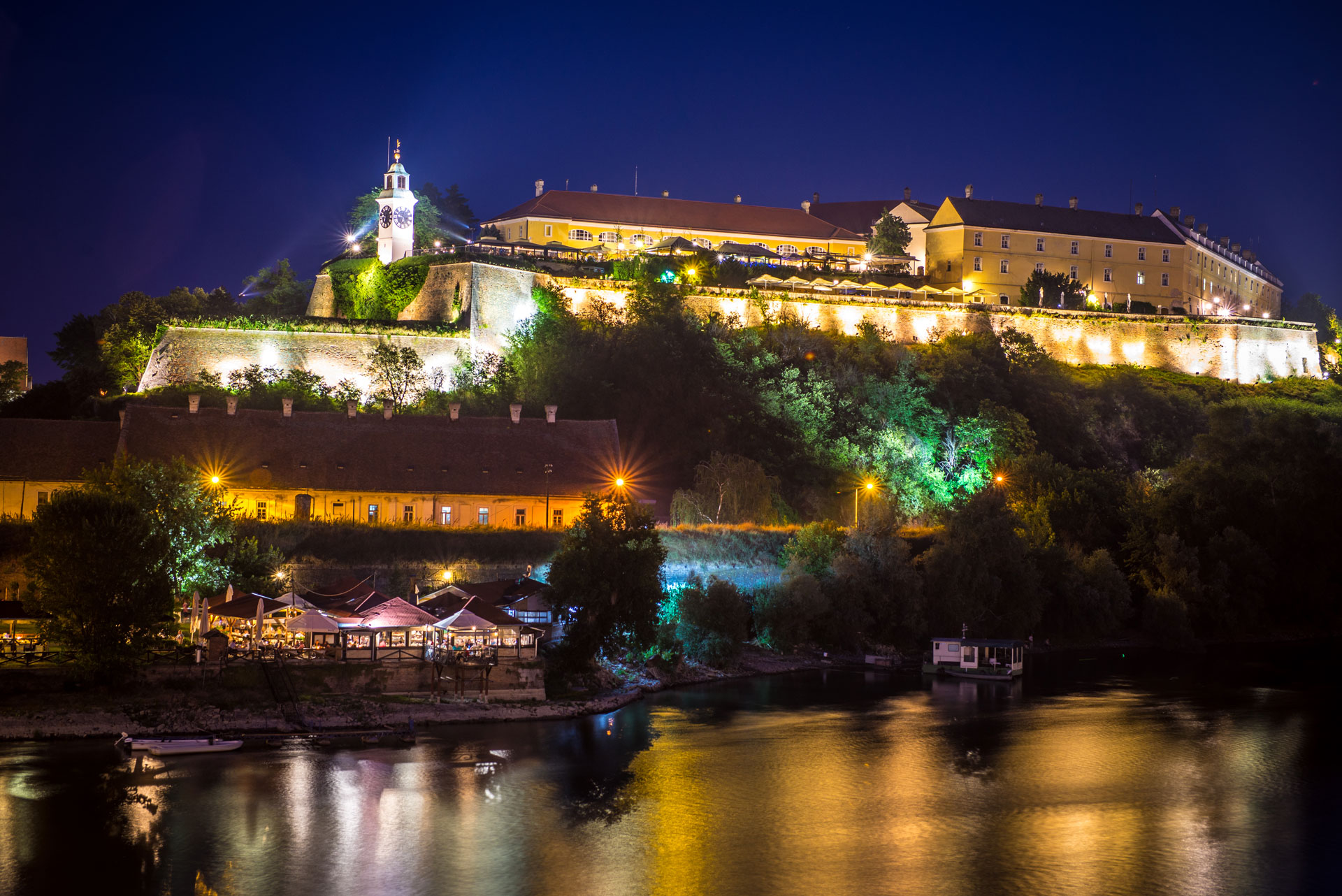
Serbia offers the longest and most varied stretch of the Balkan route, opening with the wetlands of the Gornje Podunavlje reserve and the baroque charm of Sremski Karlovci before reaching Petrovaradin Fortress above Novi Sad and the historic ramparts of Belgrade’s Kalemegdan. Downstream, the route enters the dramatic Đerdap Gorge, passing the medieval river fortresses of Golubac and Fetislam, the prehistoric site of Lepenski Vir, and Đerdap National Park itself — together forming the single most spectacular natural section of the entire EuroVelo 6 corridor.
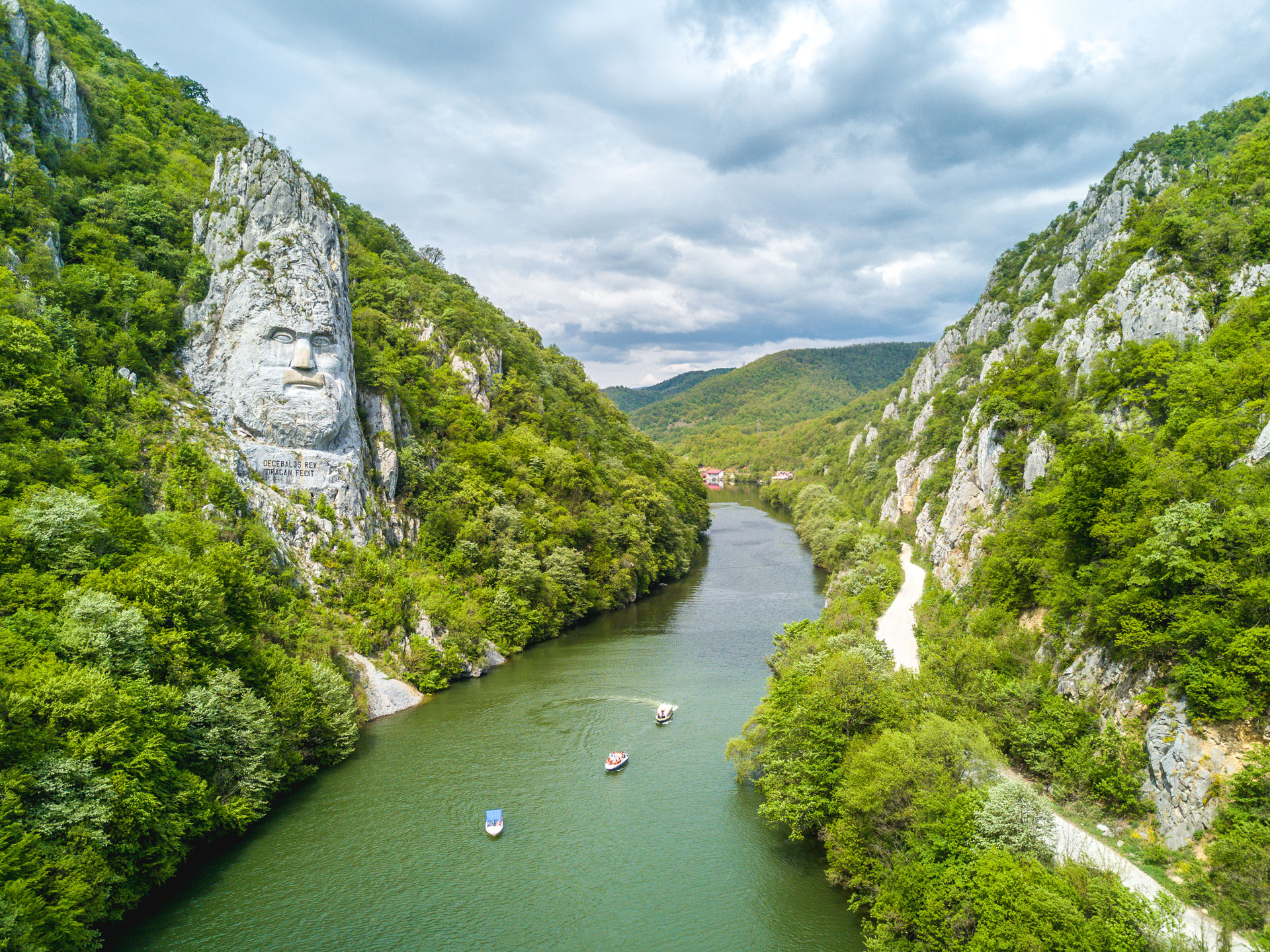
In Romania, the route follows the continuation of the Iron Gates through the Iron Gates Natural Park, passing beneath the towering rock-carved face of the Dacian king Decebalus before reaching Drobeta-Turnu Severin, home to the remains of Trajan’s Roman bridge. Further east, the journey concludes at Constanța, the country’s main Black Sea port and a fitting final landmark for cyclists completing the full Danube route.
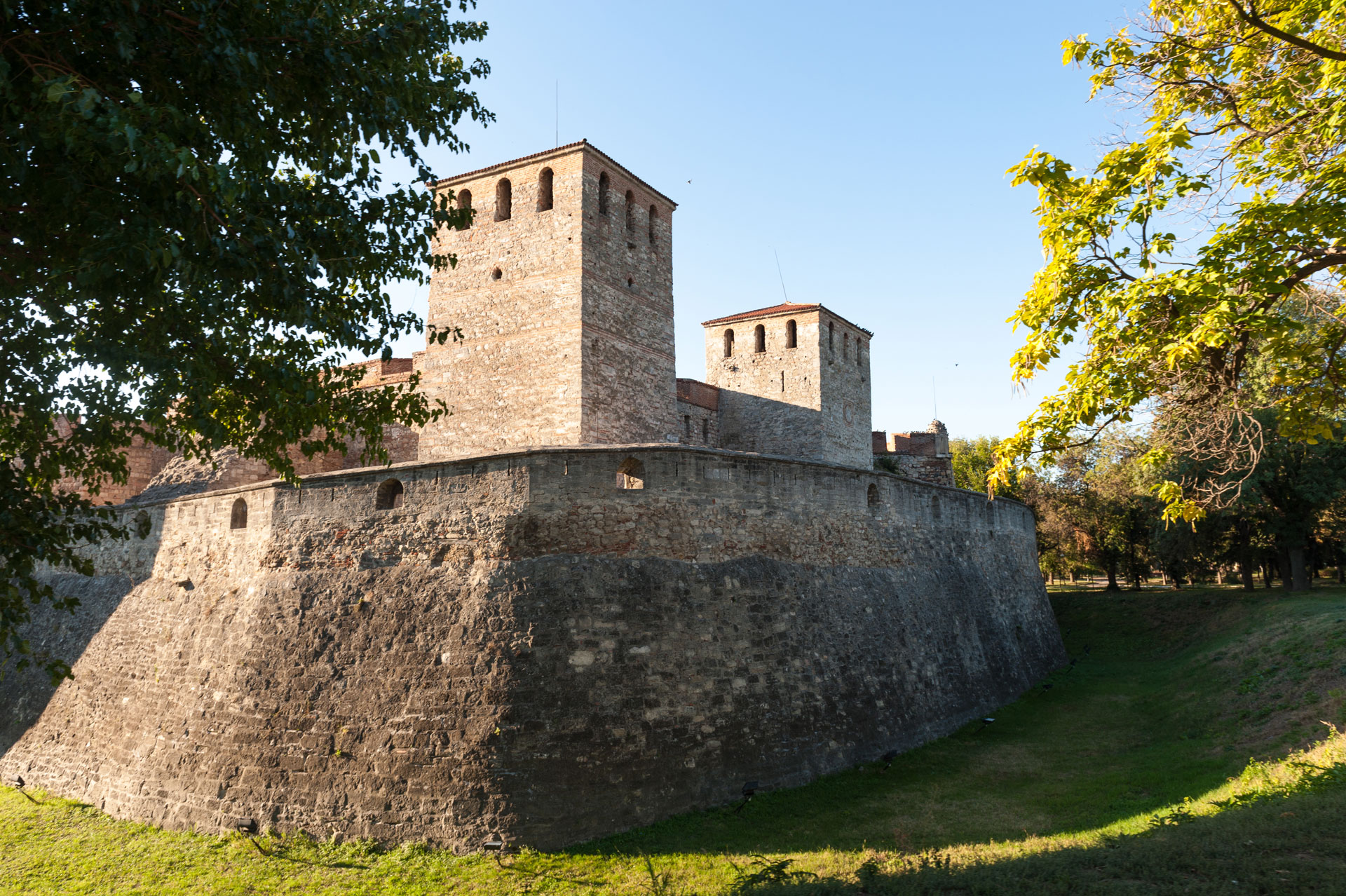
Bulgaria’s stretch runs along the southern bank of the river bordering Romania, beginning at Baba Vida Fortress in Vidin, the country’s best-preserved medieval stronghold, and continuing to Ruse, an elegant riverside city often nicknamed “Little Vienna.” Nearby, the UNESCO-listed rock-hewn churches of Ivanovo, carved directly into riverside cliffs, add a unique cultural landmark to this final southeastern leg of the journey.