Bulgaria
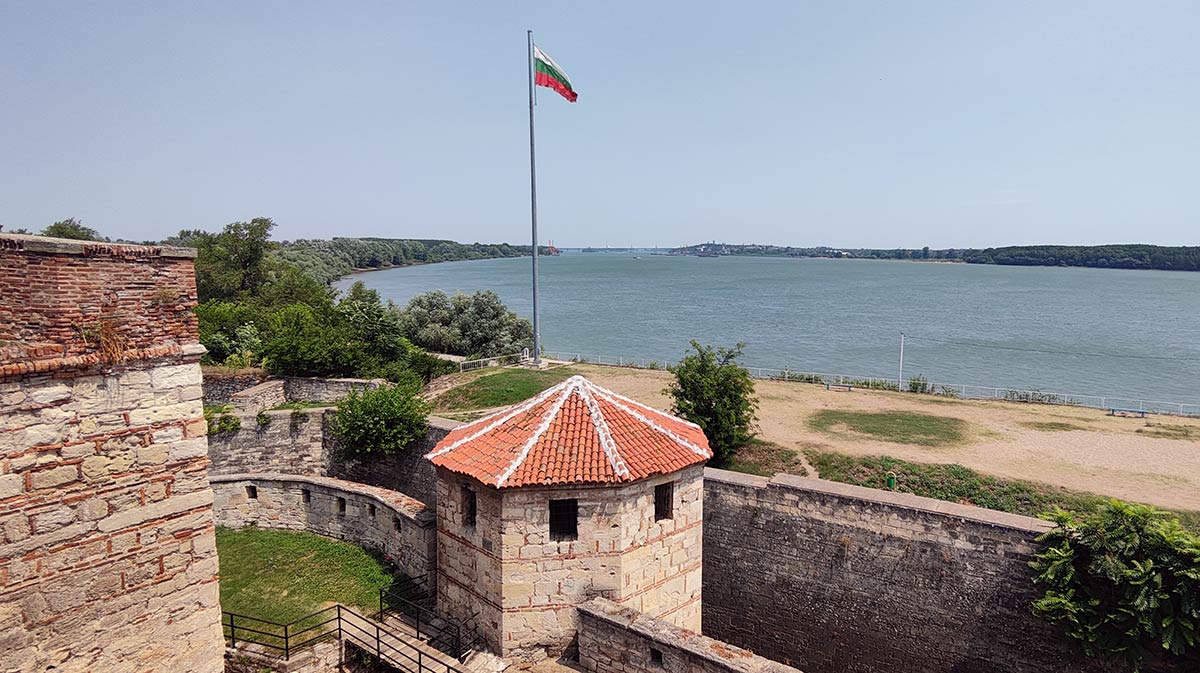
Bulgaria offers a unique cycling experience along the Danube through the EuroVelo 6 route. Starting near Bregovo in the Vidin region, cyclists journey through charming towns like Lom, Kozloduy, Swishtov, and Ruse, eventually reaching Silistra. This scenic trail, primarily on well-maintained asphalt roads, stays close to the river, providing a seamless blend of cultural and natural attractions. Cyclists can explore ancient fortresses, vibrant vineyards, and picturesque landscapes. The route is particularly appealing to birdwatchers, with many opportunities to observe diverse birdlife in unspoiled environments. The welcoming towns along the way offer a rich cultural experience, with local cuisine, historic sites, and warm hospitality. Bulgaria’s segment of the EuroVelo 6 is an ideal destination for those seeking an active holiday immersed in nature and history.
EuroVelo 6 in Bulgaria
EuroVelo 6 in Bulgaria begins near Bregovo in the Vidin area, passing through Lom, Kozloduy, Swishtov, and Ruse until it reaches Silistra. From there, cyclists can continue to the Danube Delta. The trail, mainly on asphalt roads near the river, offers excellent birdwatching and opportunities to explore unspoiled natural environments.
Rousse Regional Museum of History
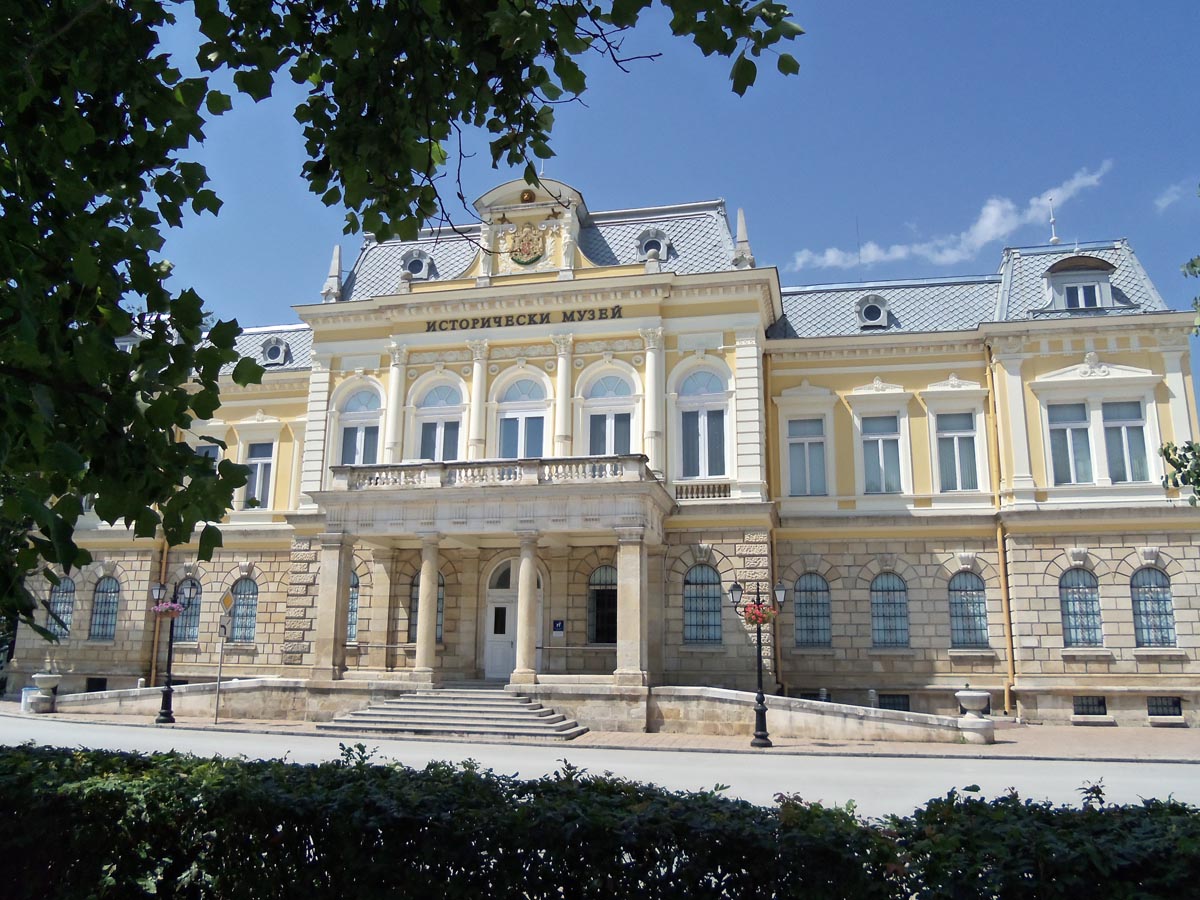
The museum implements its activities in the preservation and exhibition of the movable cultural valuables, the tangible and intangible cultural heritage, research on the history and nature of Northeast Bulgaria. Rousse Regional Museum of History presents nine exhibitions, three of which are open air – the Roman fort of Sexaginta Prista, the Ivanovo Rock-hewn Churches and the Medieval Town of Cherven. The other exhibitions are Ecomuseum & Aquarium, The Zahari Stoyanov House Museum, The Baba Tonka House Museum, The Pantheon, Kaliopa House Museum and Historical Museum.
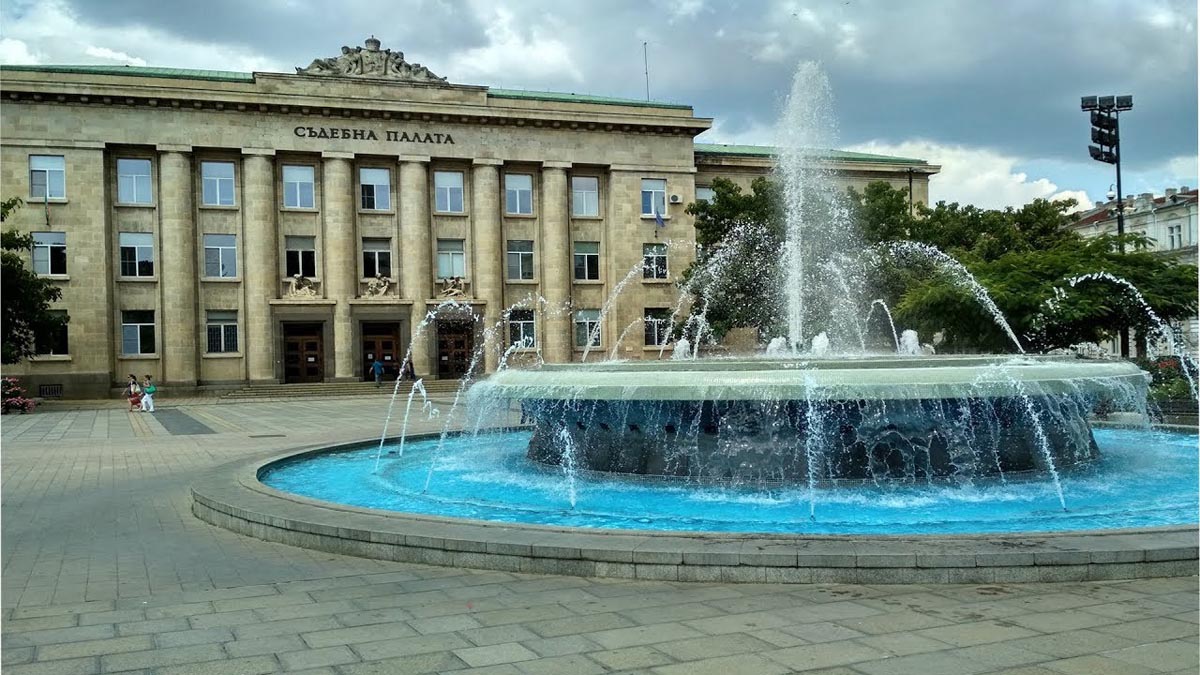
Ruse
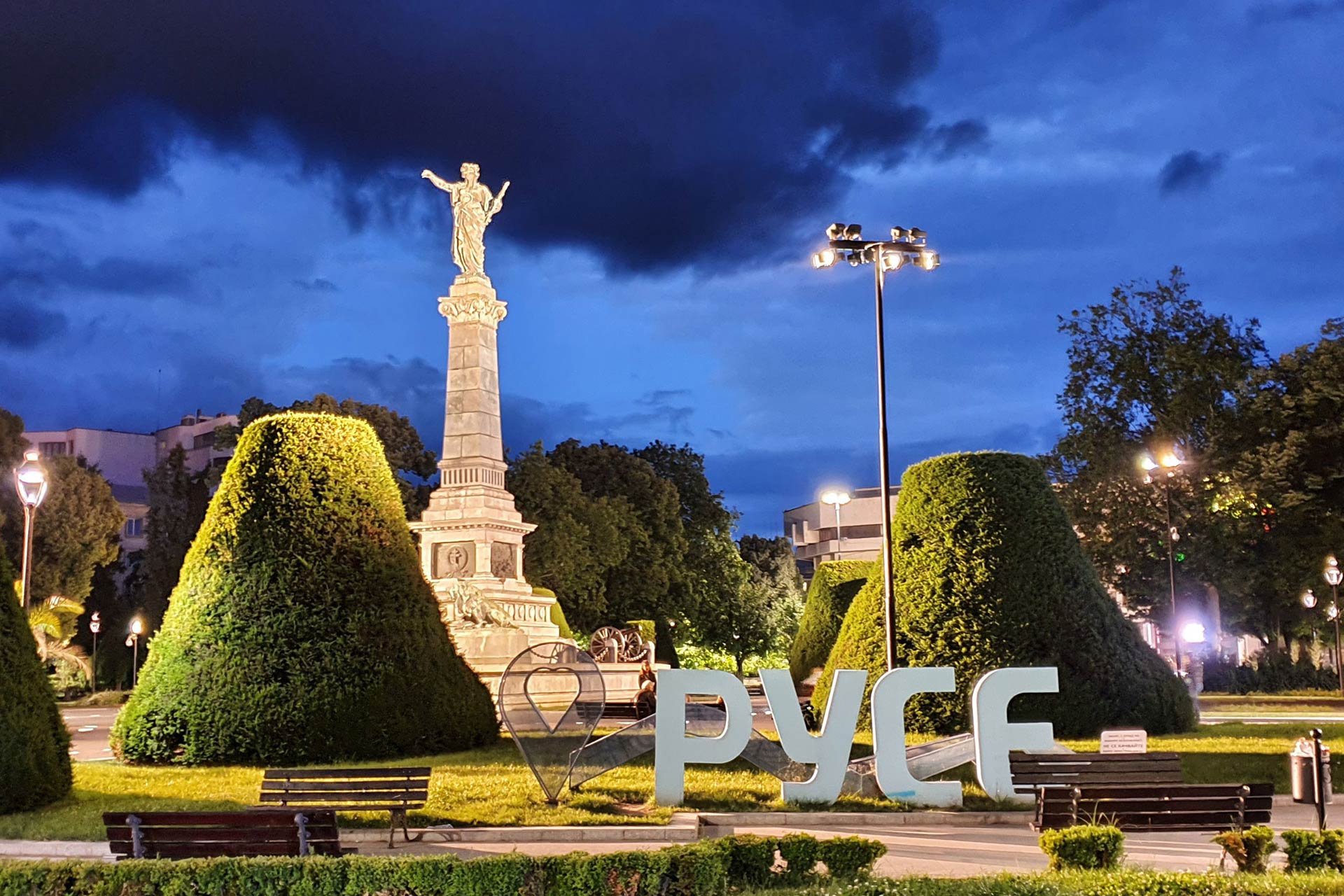
Ruse is the fifth largest city in Bulgaria. Ruse is in the northeastern part of the country, on the right bank of the Danube, opposite the Romanian city of Giurgiu. Thanks to its location and its railway and road bridge over the Danube (Danube Bridge), it is the most significant Bulgarian river port, serving an important part of the international trade of the country. Ruse is known for its 19th- and 20th-century Neo-Baroque and Neo-Rococo architecture, which attracts many tourists. It is often called the Little Vienna.


Rock-Hewn Churches of Ivanovo
The rock churches were inscribed in the UNESCO list of world cultural heritage in 1979. The area was registered as National Archaeological Reserve in 1978.The frescos in the lavra rock monastery that have survived show scenes from the Gospel cycle, most of them depicting moments of the Passion Week.
There is an area three kilometres east of Ivanovo village the region of Rousse that the local people know by the name ‘The Letters’. The vertical rocks rising above the wide turn of the Roussenski Lom River host numerous cells chiselled out in the stone, destroyed churches and chapels. They all are part of the character of the place that once sheltered renowned clergymen and grammarians. In the period of the Second Bulgarian Kingdom (12th-14th c.), this site grew into a Christian cultural centre of a special standing.
The lavra rock monastery of St. Michael the Archangel today is regarded as a place of unquestionable cultural and historical importance. It includes several complexes called Belbernitsata (The Barber’s), Zatrupanata Tsarkva (The Buried Church, St. Michael the Archangel’s Church), Krashtyalnyata (The Baptistry), Gospodev Dol (God’s Ravine), Saborenata Tsarkva (The Destroyed Church, St. Theodorе Tiron and St. Theodorе Stratilatе’s Church), and Tsarkvata (The Church, The Holy Mother of God’s Church). The frescos that have survived are in the spirit of the Byzantine tradition; they bear the features of two styles: the Komnenian style and the Palaeologan style. The images in The Church show scenes from the Gospel cycle, most of them illustrating moments of the Passion Week. The rock churches were inscribed in the UNESCO list of world cultural heritage in 1979; one year earlier, the area was registered as National Archaeological Reserve.
The Ivanovo Rock Churches are related to the names of dignitaries, patriarchs and rulers of the Second Bulgarian Kingdom. The monk named Joachim settled in this area in the early 13th century. Supported by the Bulgarian King Ivan Asen II, he laid the foundations of the monastery, and the patron that was chosen was St. Michael the Archangel. In 1235, Joachim was elected Patriarch of the restored independent Bulgarian church. There were active relations between the ruler’s house, the Patriarchal church and the rock monastery. Portraits of the Bulgarian kings Ivan Asen II, Ivan Alexander and both his wives, as well as numerous graffiti can be seen on the walls of the churches. In the mid 14th century, the Laura of St. Michael the Archangel reached the heydays of its development, in parallel with the ideas of hesychasm. After the fall of the Bulgarian state under the Ottoman rule, the monastery was doomed to decline. In 1746, a priest named Rafail from Rousse left a graffito with his name on the wall of the Holy Mother of God’s Church; that symbol was the sign of the ultimate abandonment of the monastery.

Medieval Town of Cherven
The Medieval Town of Cherven is an impressive fortress from the time of the Second Bulgarian Kingdom. It is 30 km south of Rousse, on the territory of the village of Cherven, which is its natural successor. The area was registered as a national archaeological reserve in 1965.
The rocks on the Cherven hill are a favourable place for people to settle. The earliest fortification was built under Emperor Anastasius I and Emperor Justinian I in the 6th century as part of their efforts to stop the barbarian invasions from the north. The fortress was first mentioned with the name ‘Cherven’ during the uprising of King Petar II Delyan (1040-1041).
The medieval town had its largest growth in the time of the Second Bulgarian Kingdom (12th-14th c. ). It covered the whole hill and the foothill by the river. The fortress had a sophisticated fortification system and dense buildings. The early Byzantine fortification was replaced by the citadel of the landlord of Cherven. The three-floor defence tower on the western inner wall is completely preserved. The town developed into a large trade and craft centre, with many ironworkers, goldsmiths, builders and artisans. After 1235, it became the seat of the Cherven bishopric. Numerous rock cloisters appeared in its environs. Its strategic location in the Cherni Lom River Valley linked it with the nearby royal monastery of St. Michael the Archangel by the village of Ivanovo, and with the capital city of Tarnovgrad.
The Ottoman Turks conquered Cherven in 1388; two hundred years later, it was burnt down by the Wallachian ruler Mihai Viteazul. The town residents moved to the foothill, and the Bishop of Cherven moved to Rousse.
The Cherven Tower has always been dominating the area across the ages. In the 1860s, it was a source of inspiration for the Bulgarian revolutionary Rakovski and for the traveller Felix Kanitz. Karel Skorpil made a description of the medieval town ruins in 1914.
The first excavation works on Cherven were made by Prof. Vasil Zlatarski. Since 1961, there have been regular excavation campaigns on the territory of the town, under the leading archaeologists from the Rousse Museum Violeta Dimova, Dimitar Ivanov, Dimitar Stanchev and Stoyan Yordanov. The structures unearthed so far are a citadel, fortress walls, two underground water supply passages, 16 churches, administrative buildings, houses and significant archaeological objects. The most noteworthy of them are several coin hoards, fineries, epigraphic monuments, earthenware and weapons.
Cherven Acheo Parc
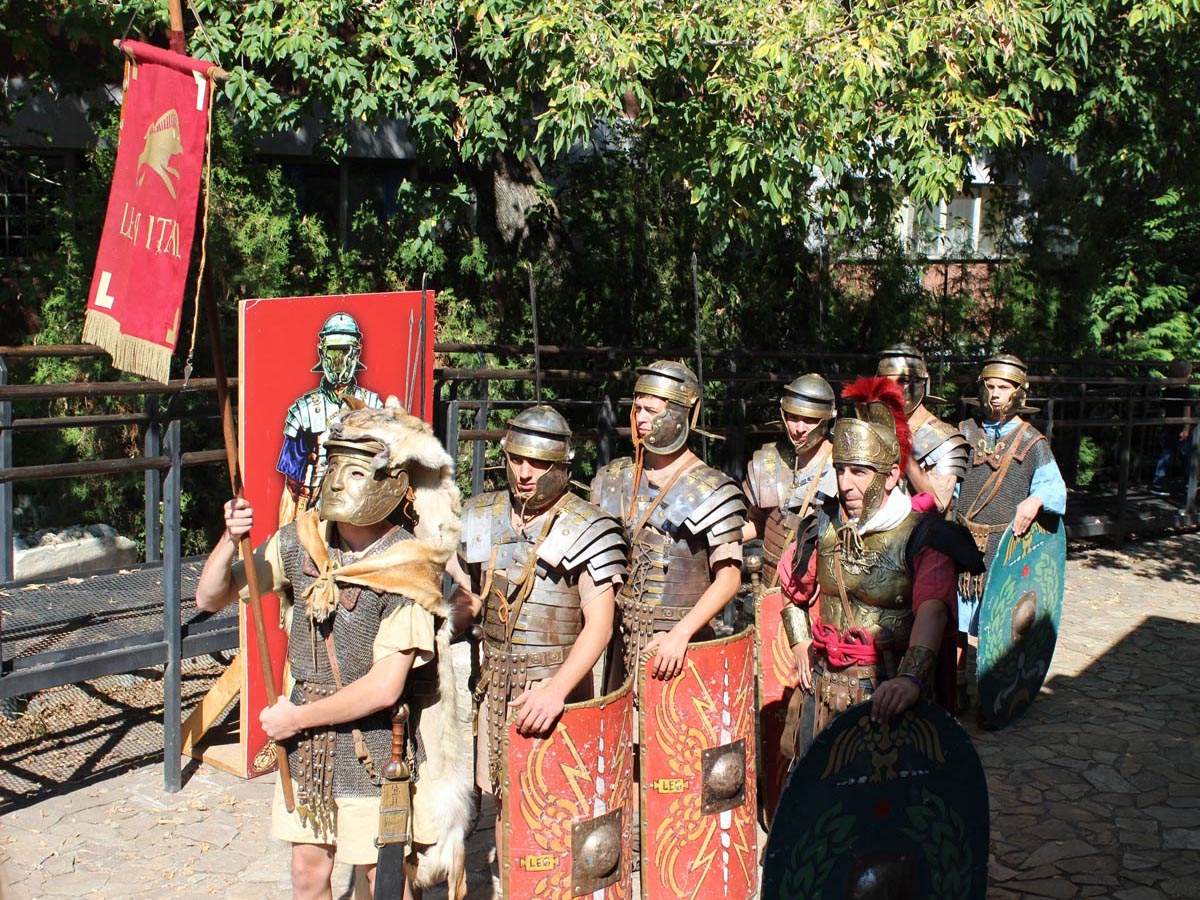
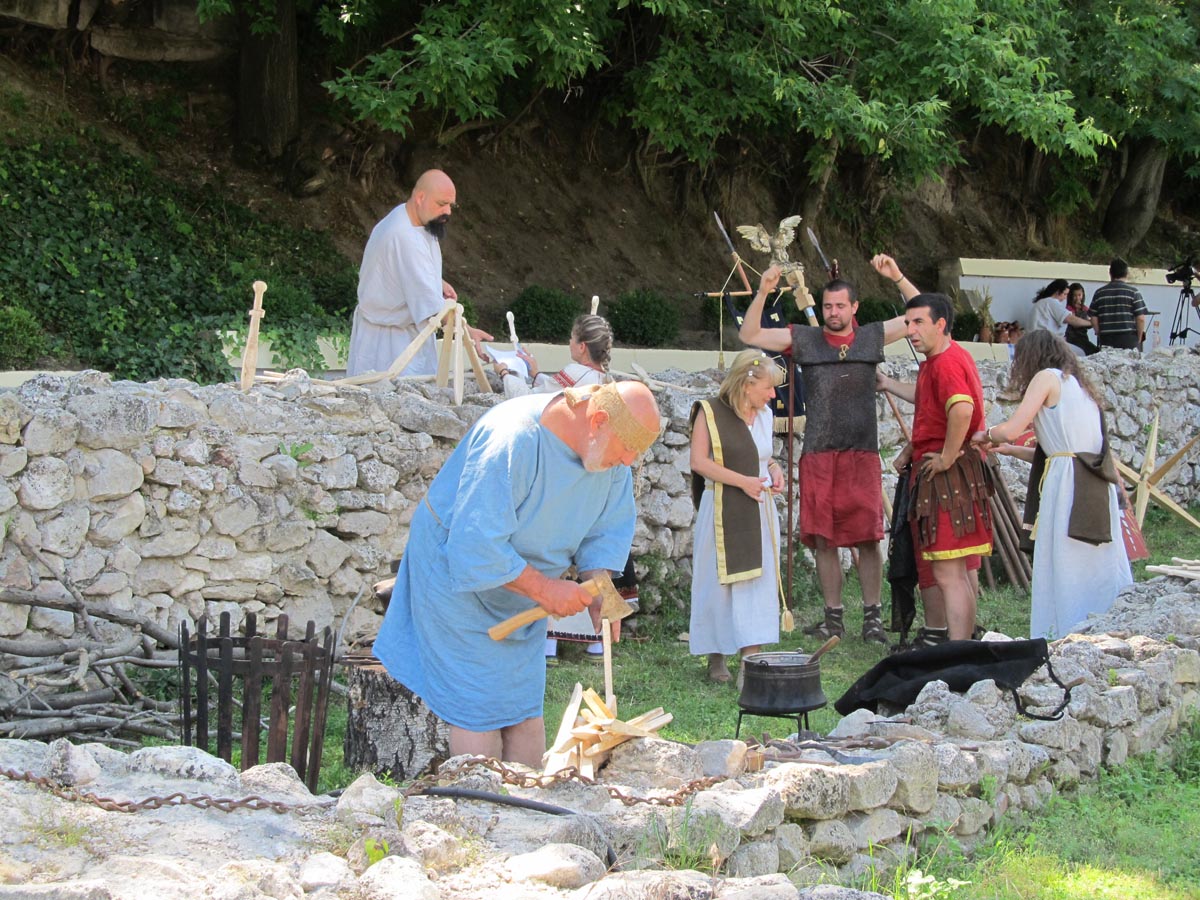
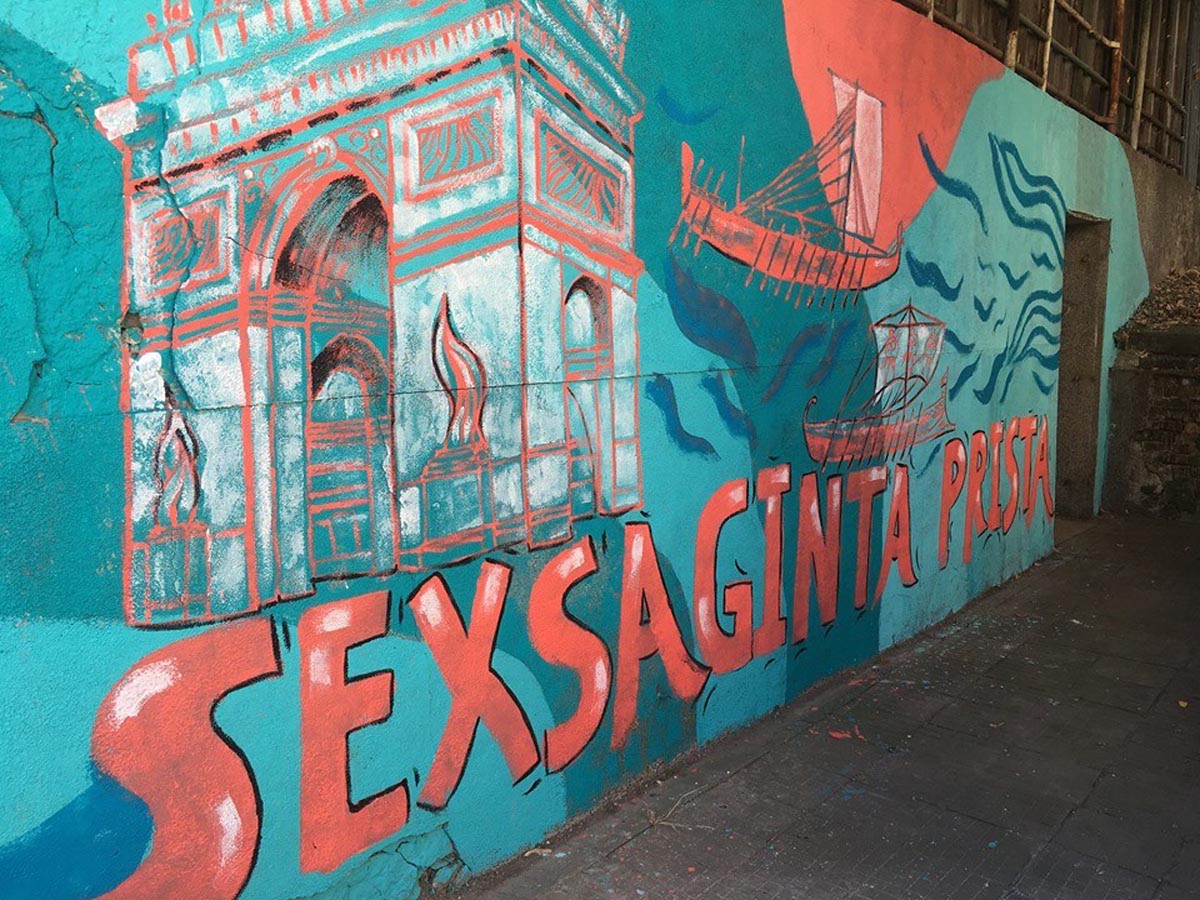
Roman Fortress Sexaginta Prista
Sexaginta Prista is in the northwestern section of Rousse, on a hill by the Danube River bank. The fortress was first localised in the late 19th century by Felix Kanitz based on distances marked on Roman itinerary maps. Some of the fortress ruins were registered during the construction excavations and operations of the Military Club; archaeological excavations were performed from 1976 till 1978 and from 2005 till 2006. The excavations revealed around 50 m of the northwestern fortress wall and the defence tower, six buildings, a temple to Apollo, and the Principia – the headquarters of the military unit in Sexaginta Prista. Conservation operations were carried out on the excavated structures from 1976 till 1978, and in 2002 the Sexaginta Prista open-air exhibition was opened for visitors. For the time that has passed since then, the site was socialised and now it is one of the local museum exhibitions enjoying many visits.
Traditionally, the name of the castle is translated as ‘the port of 60 ships’. The analyses of all accessible sources have made it clear that the castle got its name in relation to events in the late 1st century, during Emperor Domitian’s (85-89) Dacian Wars. A Roman legion that numbered approximately 6000 was transferred across the Danube River, at the mouth of the Roussenski Lom River. That operation required precisely 60 ships of the pristis type. The castle was renamed in honour to the victory over the Dacians. Most probably, before that the castle was named after the Thracian name of the Roussenski Lom River. The earliest existing epigraphic and written sources about Sexaginta Prista known to the historians date from the early 2nd century.
There was a hypothesis for a long time that there was an unfortified Thracian village on the site of the castle from 3rd century BC until the Roman conquest. The latest excavations have proved beyond any doubt that the hill was a place where the Thracians practiced rites and cult ceremonies about which we have no information. The remains of that activity are hundreds of pits; about 50 of them have been studied up to now. The Thracian pit centre dates to the period from 1st century BC till 1st century AD. The site was a major cult centre, and the nearby village (at a distance of ca. 500 m) had considerable trading and political functions. That period is one of the time spans barely covered by archaeological work in Bulgaria. The excavated pits contained many earthenware, bronze objects, coins, bones and other items. Some of the vessels had been buried intact. There is a unique zoomorphic vessel richly decorated with incised polished ornaments, with an eagle head on the top.