Pleven
Reading time: 5 minutes
PLEVEN · Northern Bulgaria
A City Where History Meets Wide Green Boulevards
Set in northern Bulgaria, Pleven is a city where dramatic history blends surprisingly well with relaxed urban life, long pedestrian promenades, fountains, and green parks. Best known internationally for the historic Siege of Pleven during the Russo-Turkish War of 1877–78, the city became one of the symbols of modern Bulgarian history and liberation.
Despite its strong historical identity, Pleven today feels open, spacious, and full of greenery. Much of the central area is organized around a large pedestrian zone lined with trees, cafés, fountains, and public squares, creating an atmosphere that is more relaxed and modern than many visitors initially expect from a city so closely tied to military history.
One of the most interesting facts about Pleven is that it is home to one of the biggest wine museum in the Balkans, while the famous Pleven Panorama battle complex on the hill above the city remains one of the most impressive historical multimedia attractions in Bulgaria. The city also preserves traces of its Roman past through the ancient settlement of Storgosia, showing that Pleven’s story stretches far beyond the events of the 19th century.
Fountains and parksWine museumPleven panoramaRusso-Turkish War
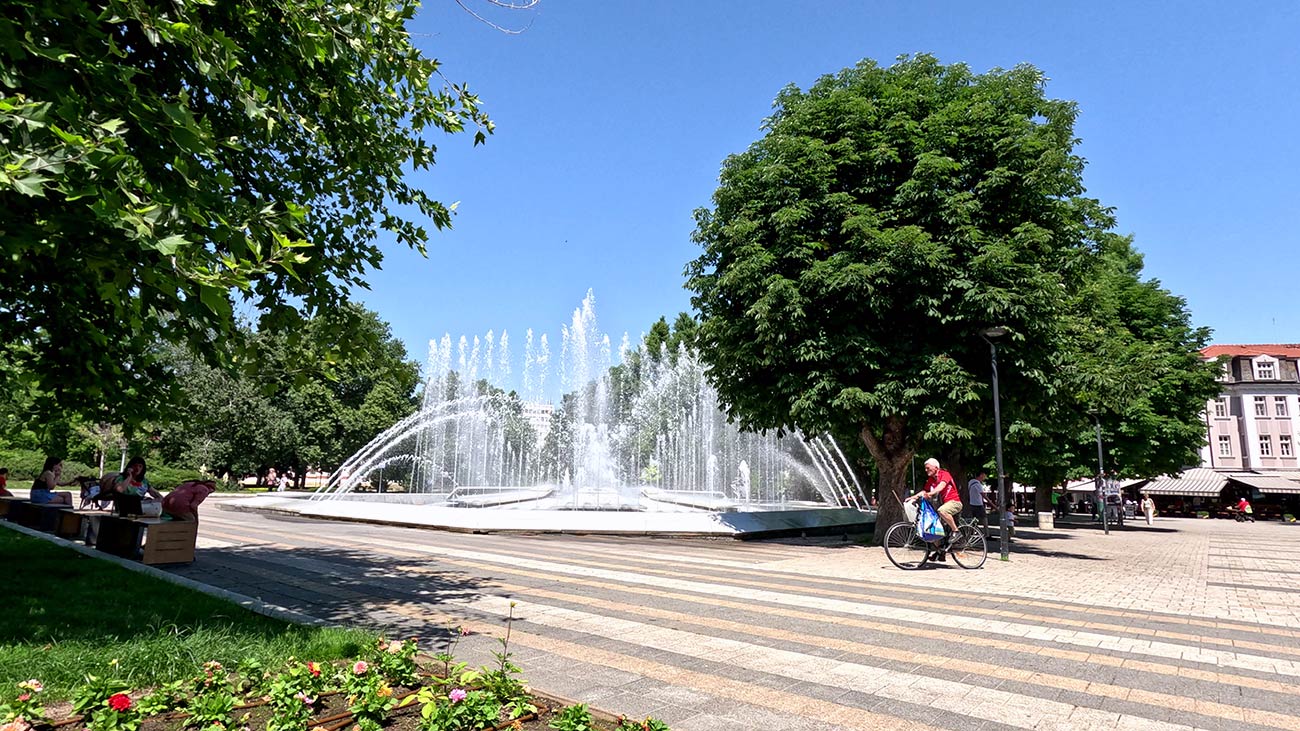
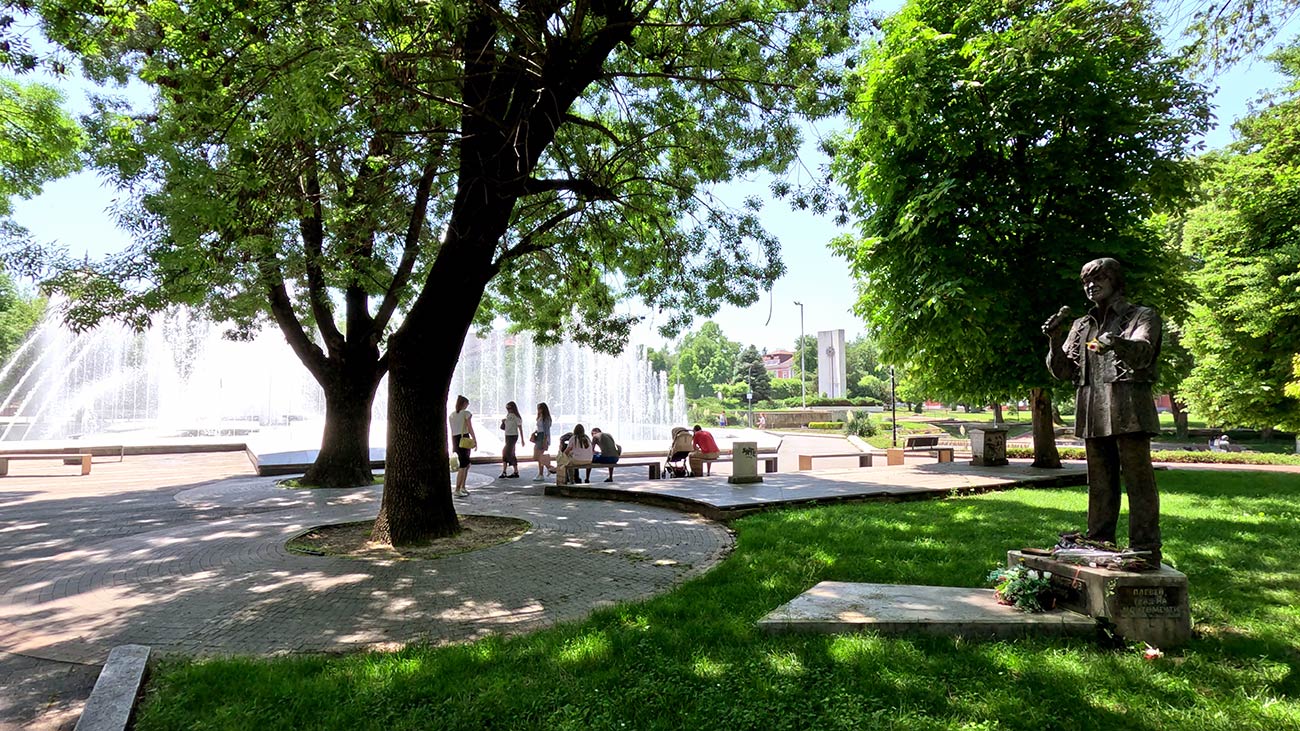
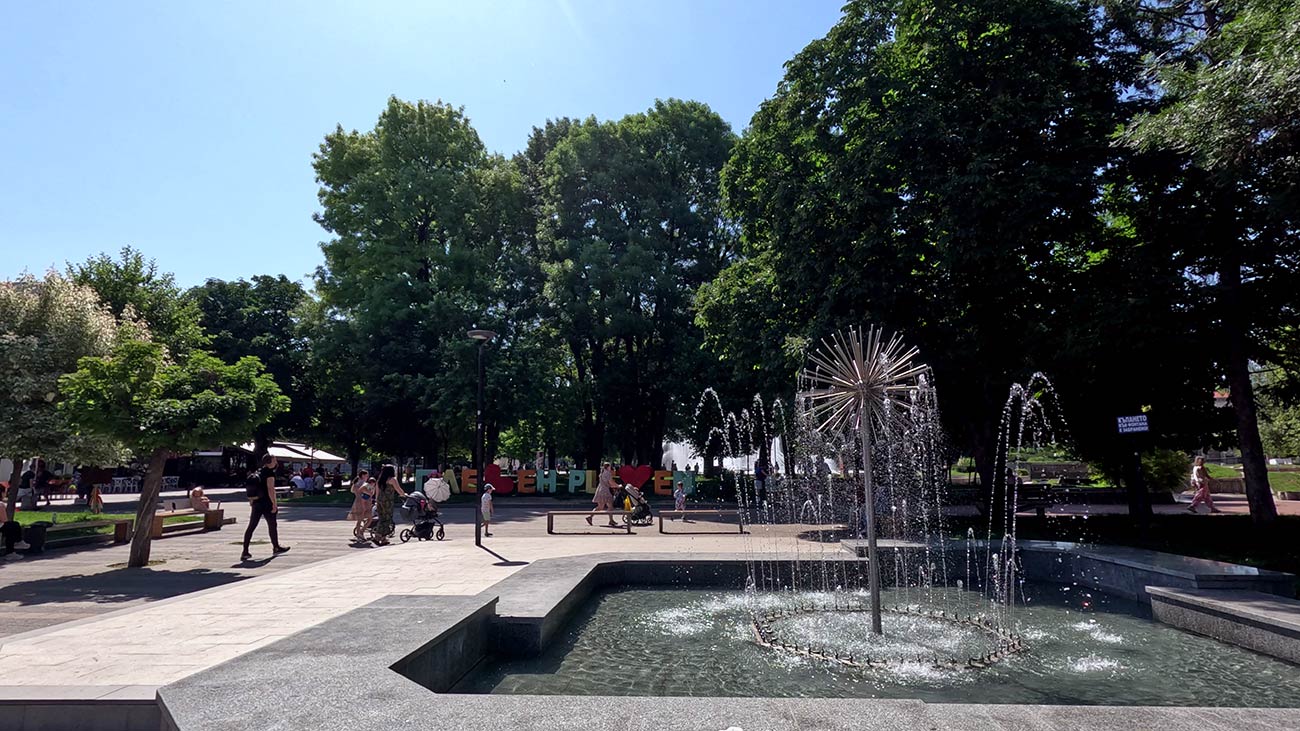
Freedom Square & Central Fountain Zone
The city’s main pedestrian heart begins at Freedom Square, a spacious and lively area surrounded by greenery, cafés, and fountains. From here, the promenade continues through the modern fountain zone, including the Pleven Sign installation and the impressive Big Fountain area, creating one of the most relaxed urban walks in the city.
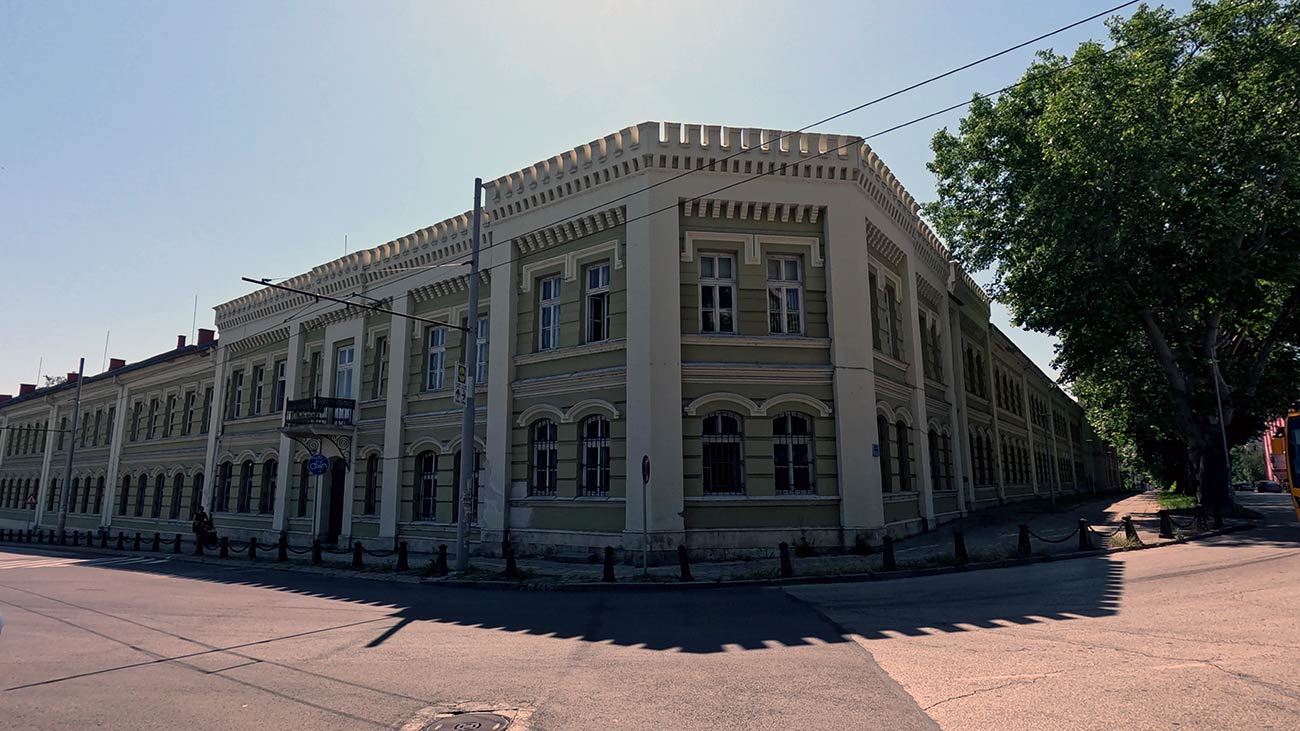
Regional Historical Museum
Set within an important landmark building, the Regional Historical Museum presents the full historical depth of Pleven and its surroundings. Exhibitions cover everything from ancient settlements to the decisive 19th-century events that shaped the city’s identity and its role in Bulgarian history.
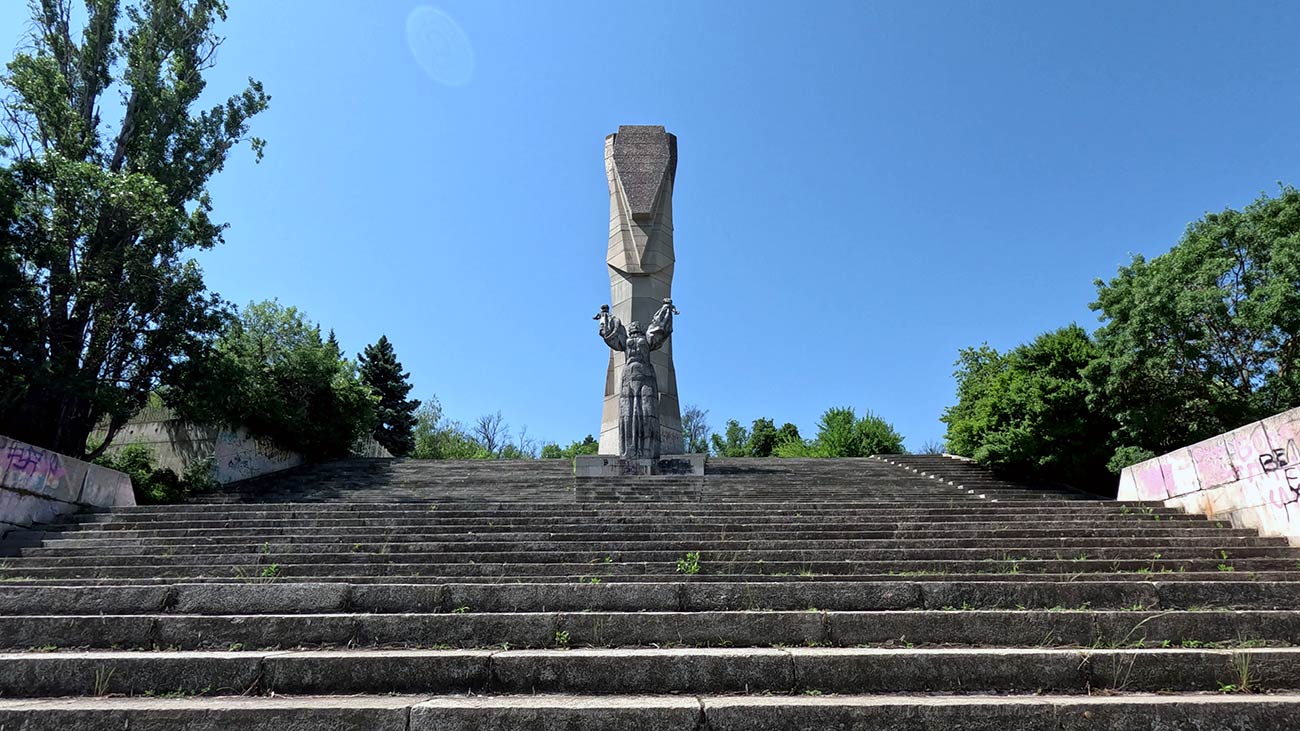
Mother Bulgaria Monument
Reached via a short climb from the center, the Mother Bulgaria Monument stands as one of the city’s key memorial landmarks. Positioned on higher ground, it serves both as a symbolic tribute to national liberation and as a viewpoint overlooking parts of Pleven.
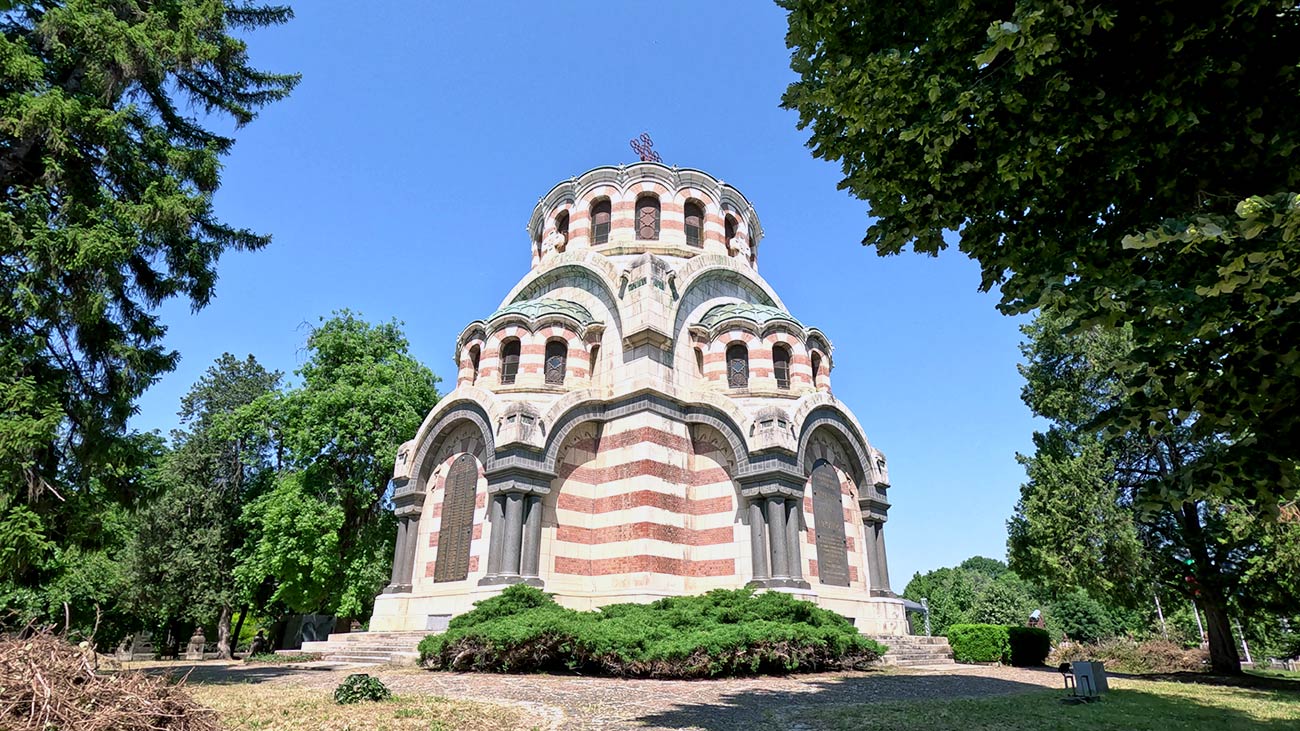
St. George the Victorious Chapel-Mausoleum
Tucked behind the main fountain area, the St. George the Victorious Chapel Mausoleum is a striking memorial chapel with strong historical significance. Its architecture and atmosphere reflect the memory of the Russo-Turkish War and the events that defined the city’s modern identity.
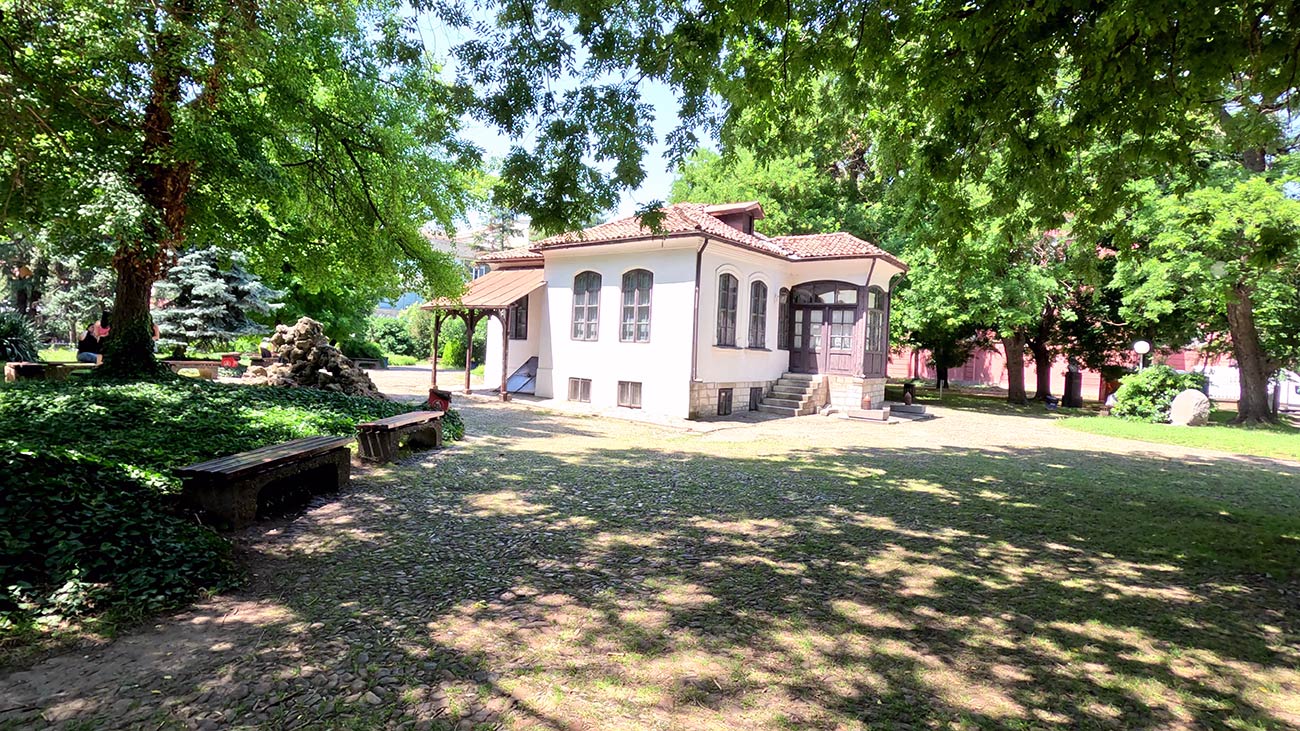
House Museum Tsar Liberator Alexander II
Located on the route toward the railway station, the House Museum Tsar Liberator Alexander II offers a focused historical stop dedicated to the Russian emperor associated with Bulgaria’s liberation. The museum adds personal context to the broader historical narrative of Pleven.
Mobility for Cyclists
Reaching Pleven by train with your bike
If you are riding the EuroVelo 6 along the Danube, this inland detour can be reached comfortably by train with your bike, making it an easy addition to your cycling journey with practical travel connections and useful transport information available below.
The connection
Accessing Pleven from the EuroVelo 6 corridor is done via the regional rail and transport hub of Levski, which serves as the main interchange point between the Danube cycling route and northern Bulgarian inland destinations.
The most direct route starts from the Svishtov area, continuing toward Levski, where a train connection leads onward to Pleven. The transfer in Levski is essential and clearly defined within the regional rail system, and the full journey from Svishtov to Pleven, including the change, takes just under two hours. The Levski–Pleven segment itself is short, but departures are limited, which makes connection timing the key factor when planning the trip. Because of this schedule structure, travelers should align their arrival in Levski with onward departures in advance.
For those combining cycling and regional exploration, Levski functions as a strategic node not only for Pleven, but also for nearby cultural and natural destinations. The same interchange point can be used to continue toward Lovech or to access the wider region surrounding the Osam River valley, where attractions such as Devetashka Cave are commonly integrated into multi-stop itineraries.
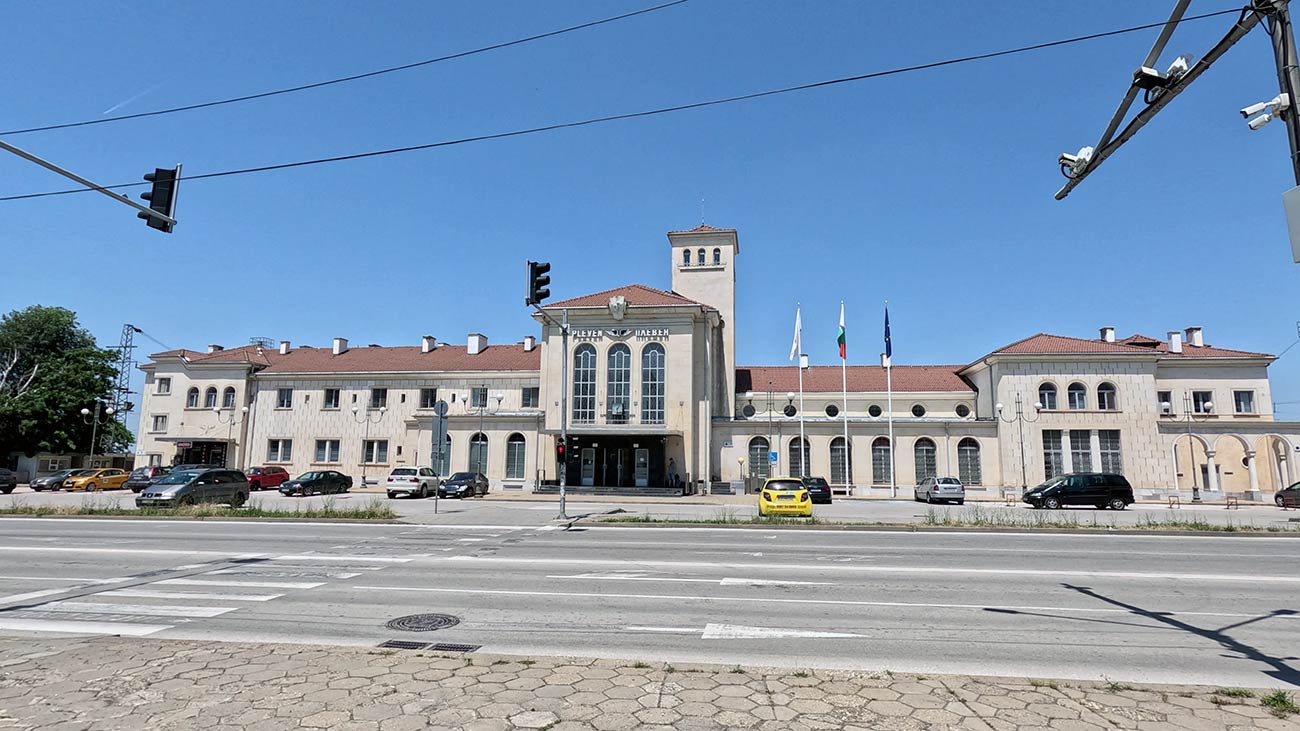
Pleven Railway Station
The railway station in Pleven is a medium-sized regional hub located relatively close to the city center, making it easily accessible on foot or with a short transfer into town. It offers standard passenger amenities, including ticket machines and basic service counters, which can be particularly useful for travelers who do not speak Bulgarian, as automated purchase options simplify the process.
At the same time, the station is still fairly modest in terms of additional infrastructure. While it functions well as a transport node, dedicated cycling facilities such as secure bike parking or specialized storage areas are limited and not yet fully developed, reflecting the fact that this aspect of multimodal travel is still evolving in the region.