Überlingen
Reading time: 12 minutes
ÜBERLINGEN, BADEN-WÜRTTEMBERG, GERMANY
A Mediterranean Air on the Northern Shore of Lake Constance
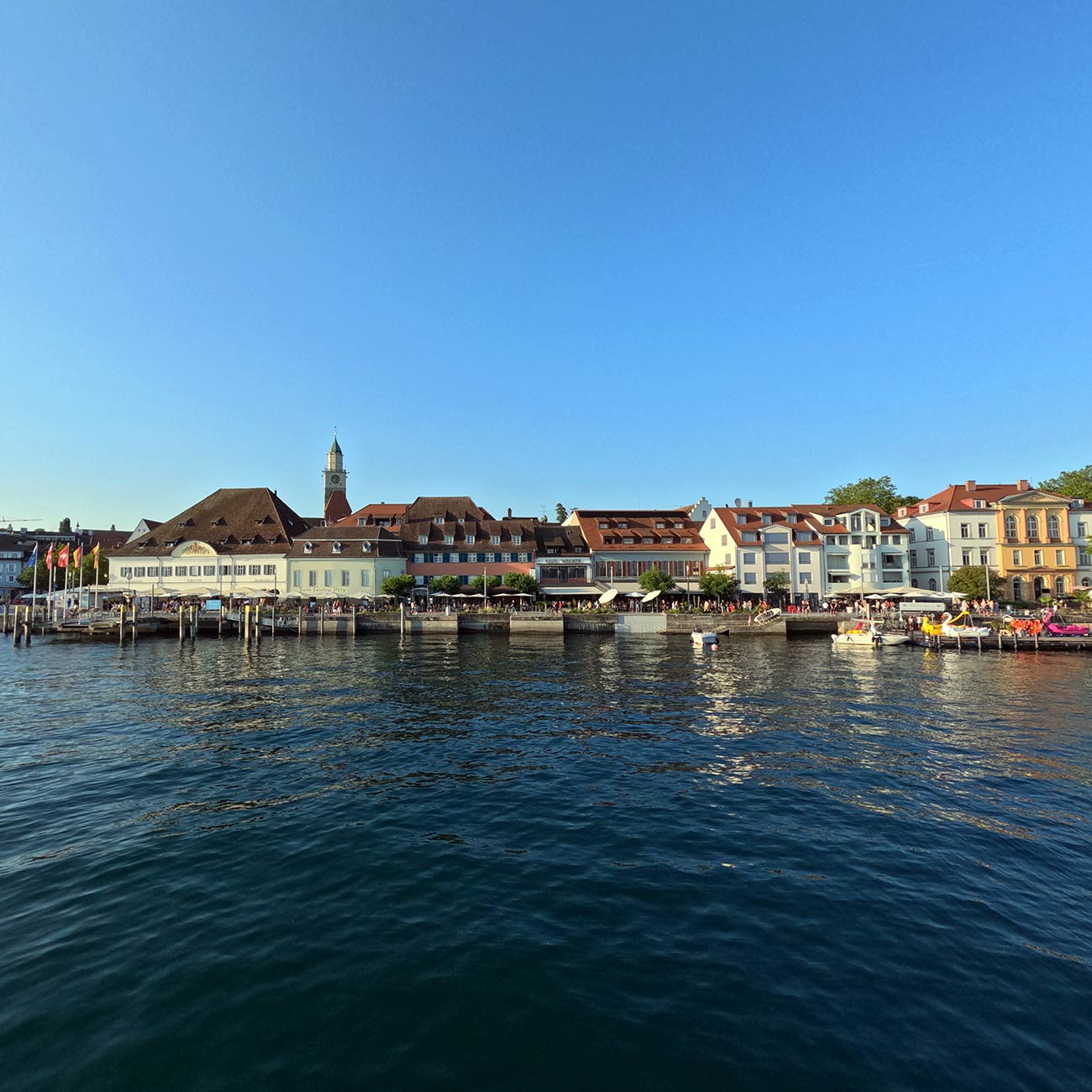
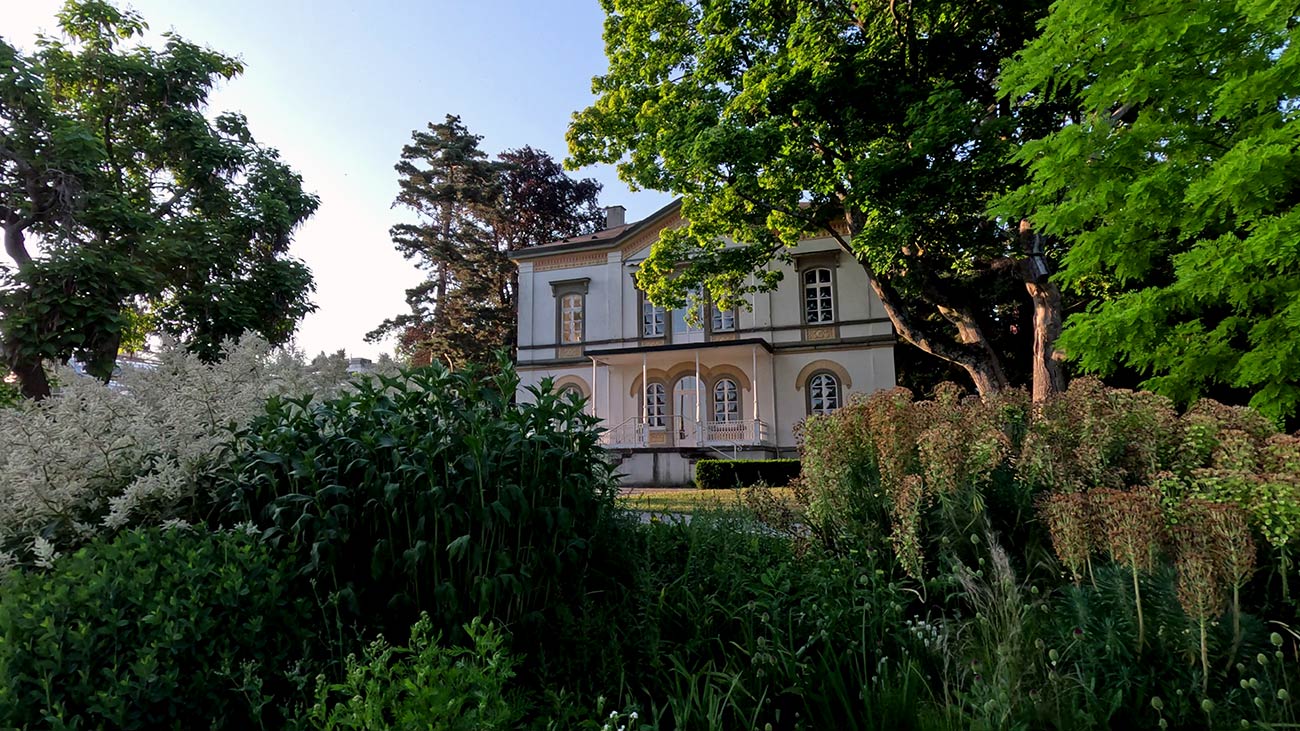
There is a moment on the lakeside promenade in Überlingen, somewhere between the old town walls and the broad expanse of water, when the air seems to change. The breeze carries a softness that does not quite belong to this part of Germany, and the long view across the lake stretches all the way to the white silhouette of the Alps on a clear day. Palms grow in the public gardens, fig trees lean against sandstone walls, and the climate has earned this northern shore of Lake Constance a quiet reputation as one of the mildest places in the country. Überlingen sits in the middle of it all, a small medieval city that has chosen, slowly and with conviction, to specialise in the unhurried art of feeling well.
The town itself is one of the most attractive on the lake. A compact old centre of cobbled lanes, painted facades, and one of the largest Gothic churches in southern Germany rises gently above a curving harbour, with a long lakeside promenade running below. Überlingen was a free imperial city from 1268 until the early nineteenth century, answering only to the emperor, and its prosperity in the late Middle Ages is still visible in the scale of its minster, its town hall, and the surrounding network of stone houses and quiet inner courtyards. It is the kind of place where a slow afternoon walk turns naturally into an evening at a lakeside terrace and a quiet sunset over the water.
For cyclists on the EuroVelo 6, Überlingen can be reached in two different ways, depending on which part of the route you are on. The official EuroVelo 6 line itself passes through Radolfzell on the western shore of Lake Constance, only a short rail journey from Überlingen. For travellers riding the longer stretch of the route that follows the Danube itself, the town lies south of the river, on the far side of the watershed that divides the Danube basin from the basin of the Rhine, and is reached by a regional rail journey from one of the main Danube cycle cities. Whichever direction you arrive from, the town offers a relaxed, unhurried change of pace, with a mix of restorative health resort, walkable medieval city, and lakeside resort that does not quite exist anywhere else along the route.
SpaLakeOld townPromenade
A Lakeside City of Wellness, Medieval Streets, and Long Views
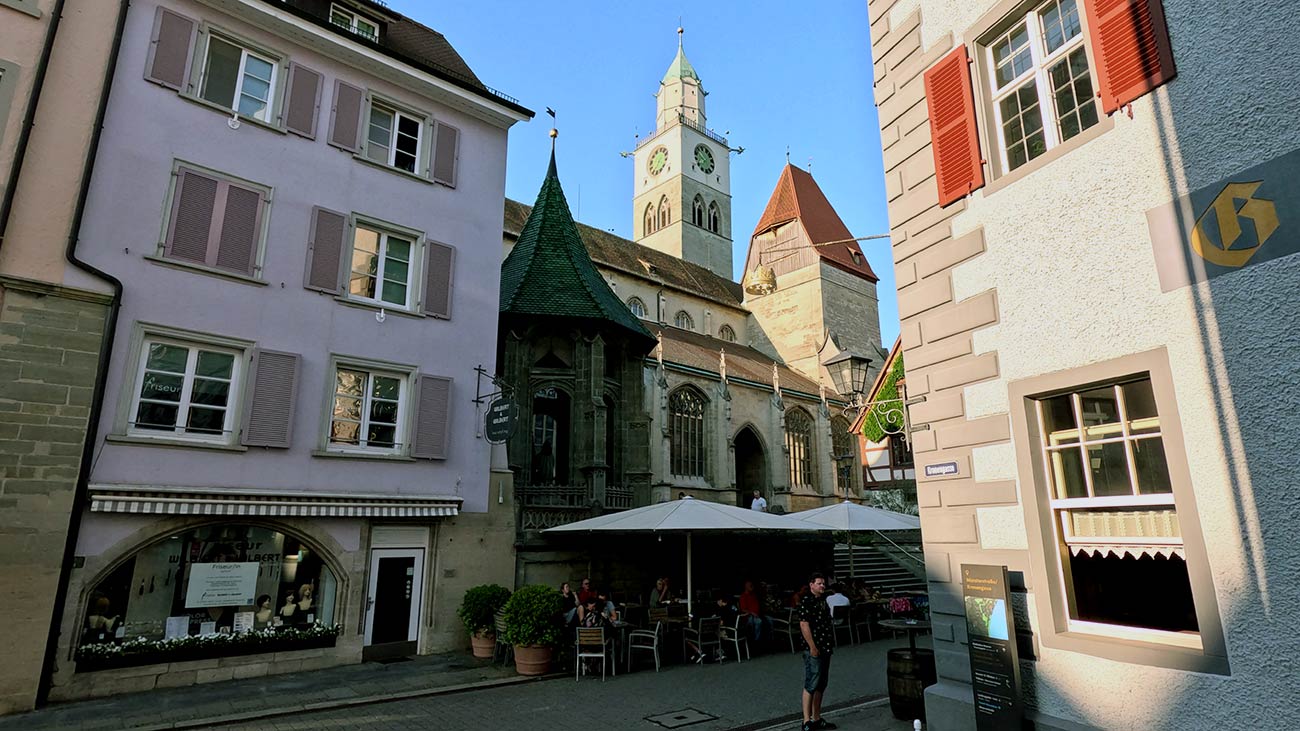
The heart of Überlingen is the unusually grand Minster of St Nicholas (Münster St. Nikolaus), the largest late-Gothic church on Lake Constance and the visual anchor of the entire old town. Its main tower rises 66 metres above the surrounding streets and holds the Osanna bell, an enormous bronze instrument weighing close to seven tonnes. Construction began around 1350 and continued in stages for more than two centuries, with the central nave rebuilt in the early sixteenth century along lines inspired by Ulm Minster. The five-aisled basilica is dedicated to Saint Nicholas of Myra, patron of sailors, fishermen, merchants, and travellers, and the interior is filled with side chapels donated by the citizens of the medieval city. The richly carved Renaissance high altar of the early seventeenth century, painted figures arranged around a tall framework of light linden wood, is widely considered one of the finest of its kind in the region.
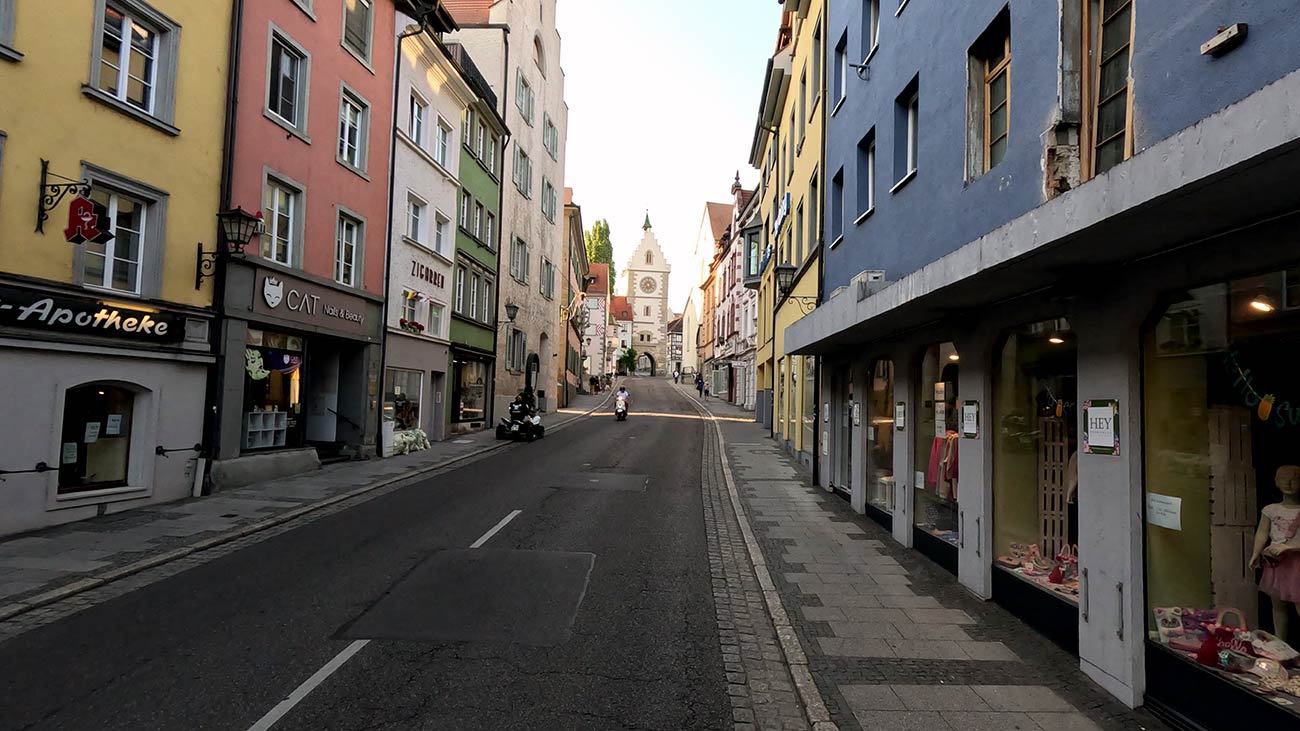
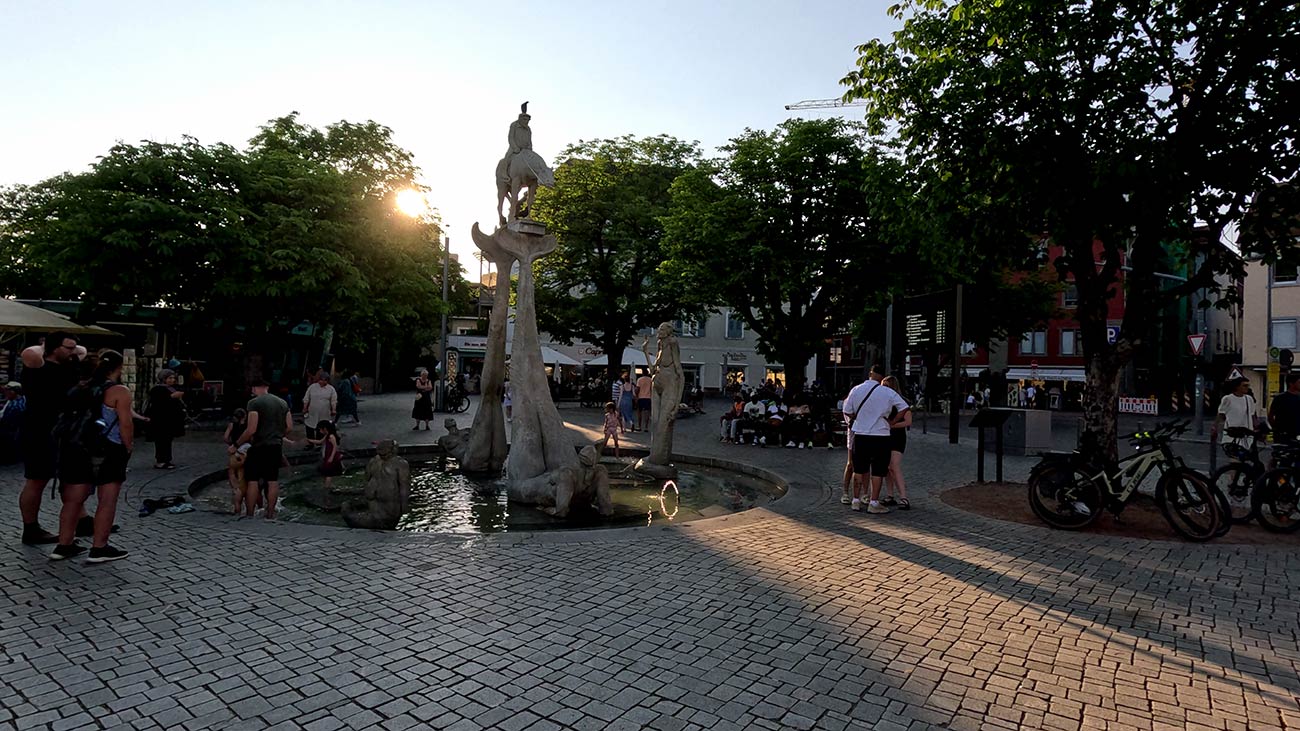
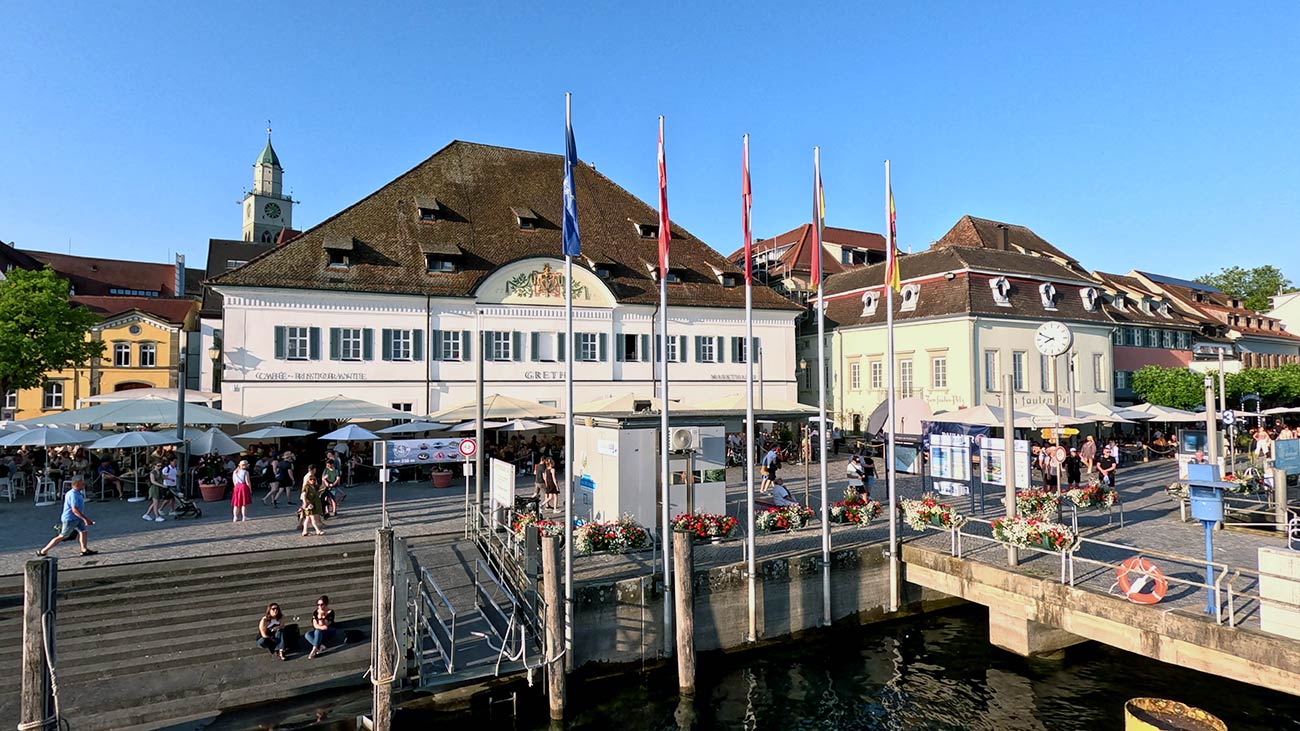
The old town around the minster is one of the best preserved on Lake Constance. Cobbled lanes wind between painted half-timbered and stone houses, opening onto small squares with sculpted fountains and into quiet inner courtyards behind heavy wooden gates. The medieval city walls still partly enclose the old centre, with surviving towers and gates marking the boundary between the historic streets and the newer parts of town. Just inland from the harbour stands the Greth, the former lakeside granary, now a striking historic building looking out over the water. The Rathaus, the old town hall, dates from the late Middle Ages and preserves one of the most remarkable carved wooden council chambers in southwestern Germany, with intricate late-Gothic vaulting and a near-complete set of original fittings.
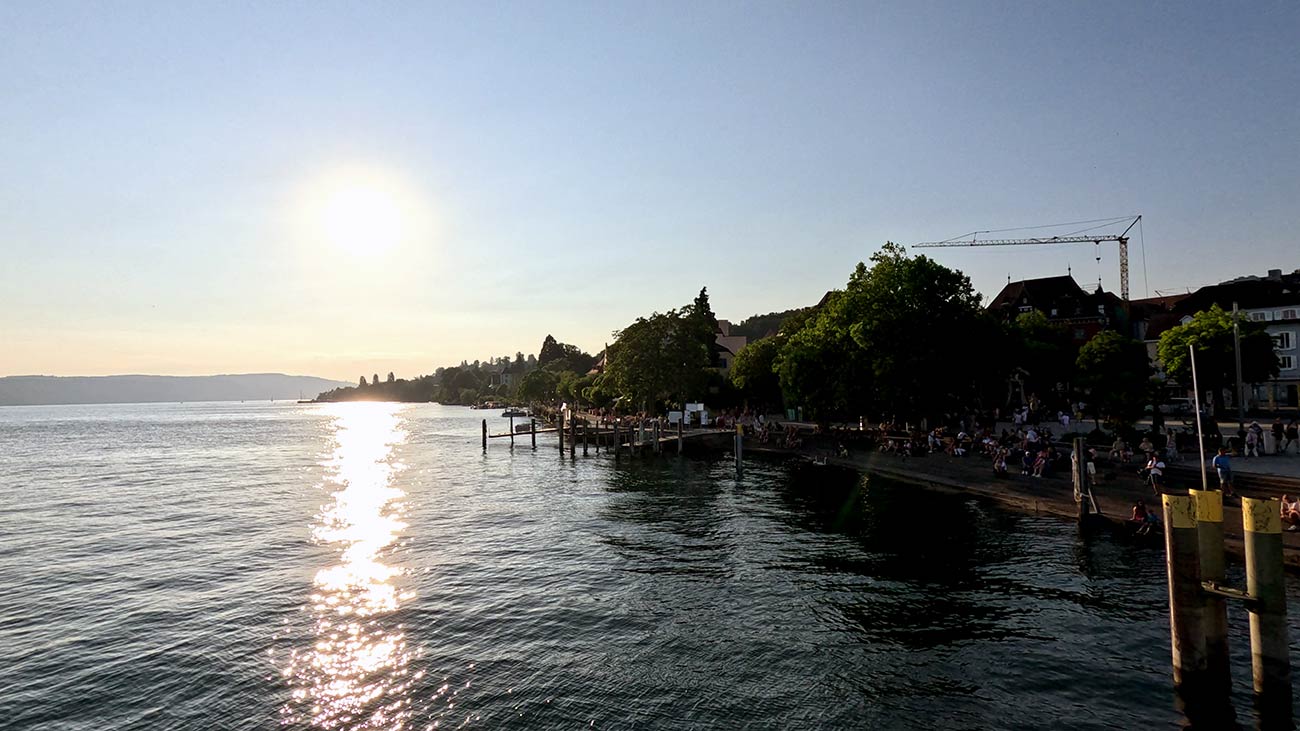
The lakeside promenade is the natural counterpart to the old town and one of the most rewarding strolls anywhere on Lake Constance. It runs for several kilometres along the water's edge, lined with public gardens, sculpted hedges, and Mediterranean plantings that flourish in the unusually mild lakeside climate. From here, the view stretches across the open water of the Überlinger See, the long northwestern arm of Lake Constance, and on clear days the snowcapped Alps rise on the southern horizon. The promenade links the old town with the lakeside thermal baths and continues toward the harbour, where small ferries arrive and depart for other towns around the lake.
What sets Überlingen apart from the other lakeside towns, however, is its long tradition of health and natural healing. It is the only Kneipp-inspired health resort in Baden-Württemberg, and its reputation for natural therapies has grown steadily for more than a century. The town offers an unusual concentration of recognised approaches under one roof, from the classic hydrotherapy methods developed by Sebastian Kneipp to the Buchinger fasting programmes pioneered locally by Dr Otto Buchinger, alongside Jentschura base fasting and F. X. Mayr treatments. Several specialist clinics and a major rehabilitation centre have grown up around these traditions, drawing visitors from across Europe in search of slower, more deliberate forms of recovery.
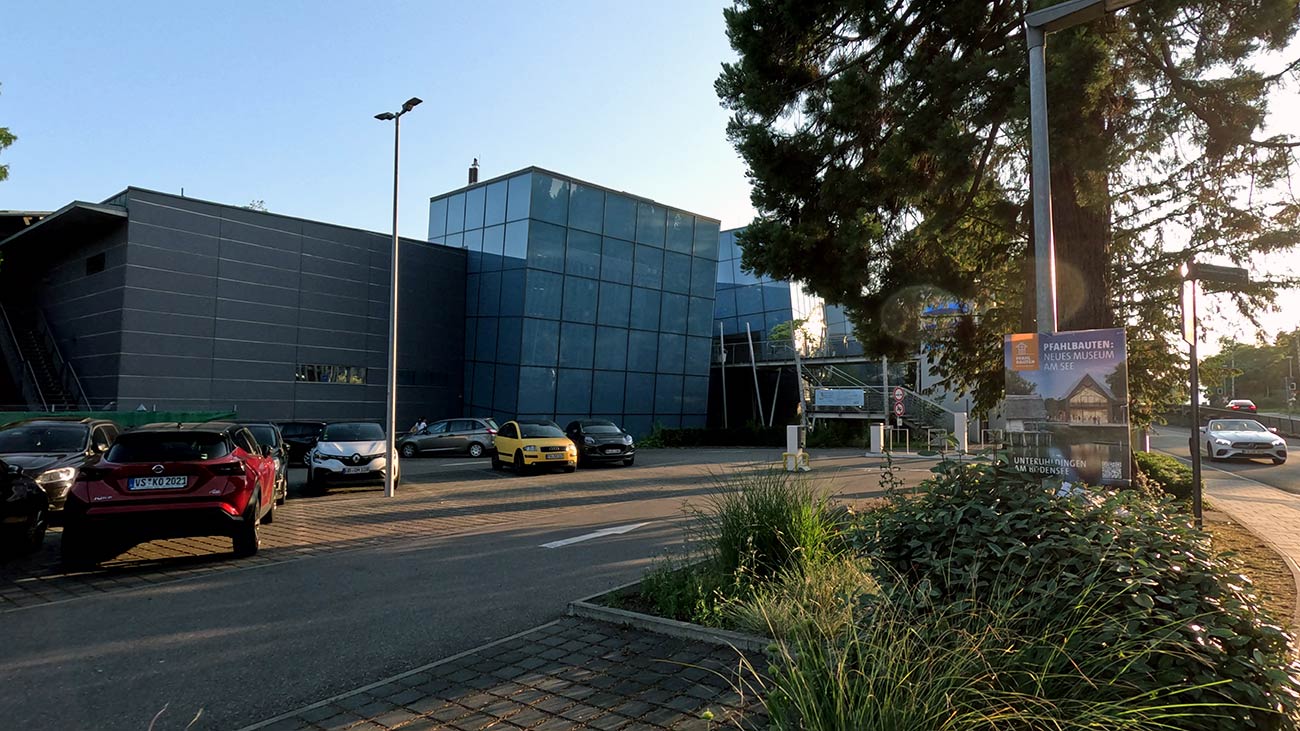
At the heart of this tradition lies the Lake Constance Thermal Baths (Bodensee-Therme Überlingen), set directly on the lake at the edge of the old town. The complex draws hot thermal water from 1,006 metres below ground, rising naturally at 36.2 degrees Celsius, and channels it into a series of indoor and outdoor pools that look out directly over the open water. A wide sauna landscape, steam rooms, and quiet relaxation rooms complete the experience, and the combination of thermal water and lake view is genuinely uncommon in Germany. After a long stretch of cycling, an afternoon in the thermal baths followed by an evening on the lakeside promenade is one of the most genuinely restorative experiences available anywhere along the EuroVelo 6 corridor.
The wider landscape around the town adds a final layer. Vineyards rise gently into the hills above Überlingen, and the surrounding country is dotted with small villages, pilgrimage chapels, and apple orchards. Day excursions by boat or train along the lake reach the medieval island town of Lindau, the great Baroque Birnau Pilgrimage Church just to the west, and the flower-covered island of Mainau a short ferry ride to the south. Even without leaving Überlingen, however, the rhythm of slow mornings in the old town, long afternoons by the water, and quiet evenings in family-run wine taverns is enough to fill a full day and leave most travellers wishing they had planned a second night.
ℹ️ Useful Links
Mobility for Cyclists
Reaching the town by train with your bike
Überlingen can be reached easily from the EuroVelo 6 in two different ways, depending on which part of the route you are travelling. The most direct option is from the western stretch of the official EuroVelo 6 line itself, which passes along the southern shore of Lake Constance. For cyclists riding the longer, popular variant of the route that follows the Danube River, the town is reached by a regional rail journey across the watershed between the Danube and the lake basin.
The connection
The shortest connection is from Radolfzell, a town on the official EuroVelo 6 corridor on the western side of Lake Constance, where regional trains run to Überlingen in less than 30 minutes. The line follows the shoreline around the lake and offers some of the most pleasant short rail journeys in the region. For travellers riding the Danube stretch of the route, the most practical access point is Tuttlingen, where regional trains run to Überlingen in around one hour and fifteen minutes on the fastest services. From further east along the Danube, Sigmaringen can also be used as a starting point, with a single change at Tuttlingen. All three options run regularly throughout the day and fit comfortably into a single travel day.
German trains
The rail network in this part of Germany is operated mainly by Deutsche Bahn (DB), which runs most long-distance services and a large share of regional connections across the area. Alongside DB, several regional operators run local and feeder lines, particularly on secondary routes through the Swabian Alb and the Neckar valley, but they are fully integrated into the national rail system. This creates a highly coordinated transport network where transfers between different operators are seamless and require no separate tickets. The DB Navigator app is the central tool for planning journeys, checking timetables, and purchasing tickets across all services, including both regional and long-distance trains. During the main holiday season, special bike-friendly trains with expanded capacity for bicycles also run on selected regional routes, making travel with a bike across the region noticeably easier.
Taking your bike
This part of Germany is generally very bike-friendly when it comes to rail transport, especially on regional trains, which form the core of mobility for cycle touring along the Danube and Neckar corridors. Most regional services allow bicycle transport without mandatory reservation, although space is limited and operates on a first-come, first-served basis. A separate bicycle ticket is typically required during weekday morning peak hours, or it can be purchased as an affordable regional day pass, while outside peak periods and on weekends bicycle transport is often free across large parts of Baden-Württemberg. Long-distance trains such as IC and ICE require advance bicycle reservations and have limited capacity, so early planning is important for intercity travel. Overall, the system is well adapted to cycle tourism, offering strong flexibility and occasional dedicated bicycle-friendly or seasonal train services that further improve connectivity for travellers leaving the EuroVelo 6 route.
Bikes on Buses
Long-distance bus services in southern Germany are primarily operated by FlixBus, complemented by a smaller number of regional and private coach operators on selected routes. Bicycle transport is available on certain intercity connections, either via external bike racks or in the luggage compartment, but it is not consistently guaranteed across the network and depends on the specific vehicle type and route configuration. Where available, bicycle transport must be reserved in advance and capacity is limited, making it less flexible compared to rail services. As a result, buses are generally used as a secondary option for cyclists, mainly for longer-distance repositioning between major cities rather than as a core part of cycling itineraries along the Danube region. While useful in specific cases where rail connections are less convenient, they are less predictable and less standardized for bicycle transport, so advance planning is essential.
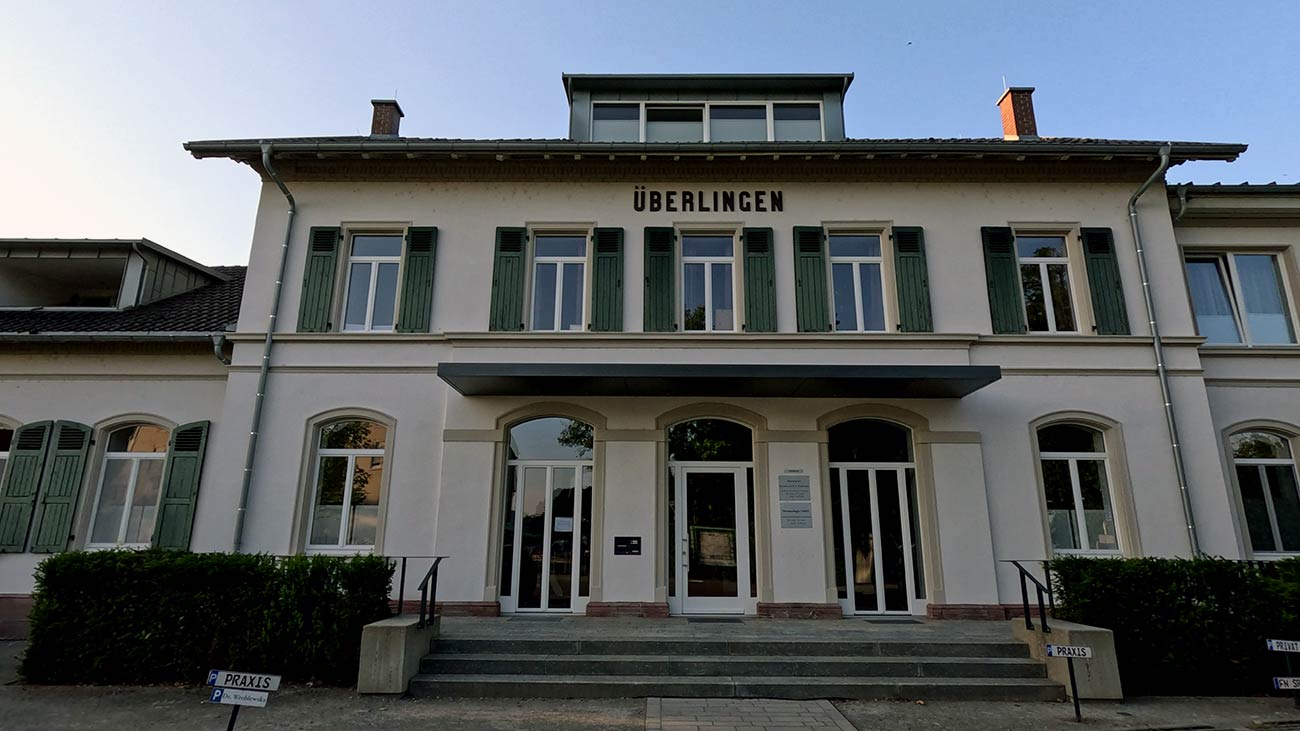
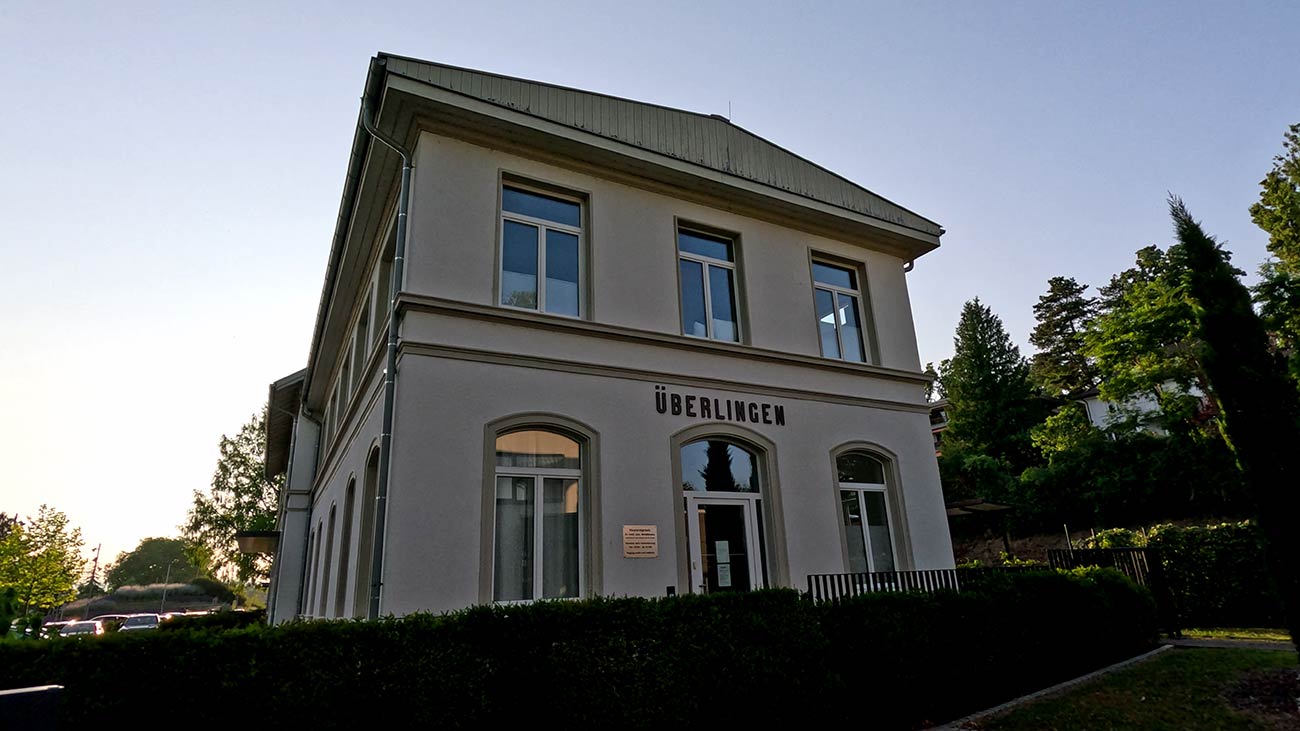
Arriving at Überlingen Station
Überlingen has two main rail stops, Überlingen-Therme at the eastern edge of the lakeside promenade and Überlingen itself closer to the centre, both of them within a short walk or bike ride of the old town. The minster, the harbour, the Greth, and the Lake Constance Thermal Baths are all reachable on foot or by bike in well under fifteen minutes from either station. Cycling infrastructure in and around the town is good, and the lakeside promenade itself doubles as a long, flat cycle route that connects easily with the wider Lake Constance Cycle Path (Bodensee-Radweg), one of the most popular cycle routes in Europe. Bike racks are available at both stations for shorter stops. For onward travel, the same lines connect back toward Radolfzell, Tuttlingen, and the wider Danube and Lake Constance corridors, so Überlingen works equally well as a one-night detour or as a longer base for exploring the northern shore of the lake.