Bad Schussenried
Reading time: 10 minutes
BAD SCHUSSENRIED, BADEN-WÜRTTEMBERG, GERMANY
A Rococo Library Hidden in Upper Swabia
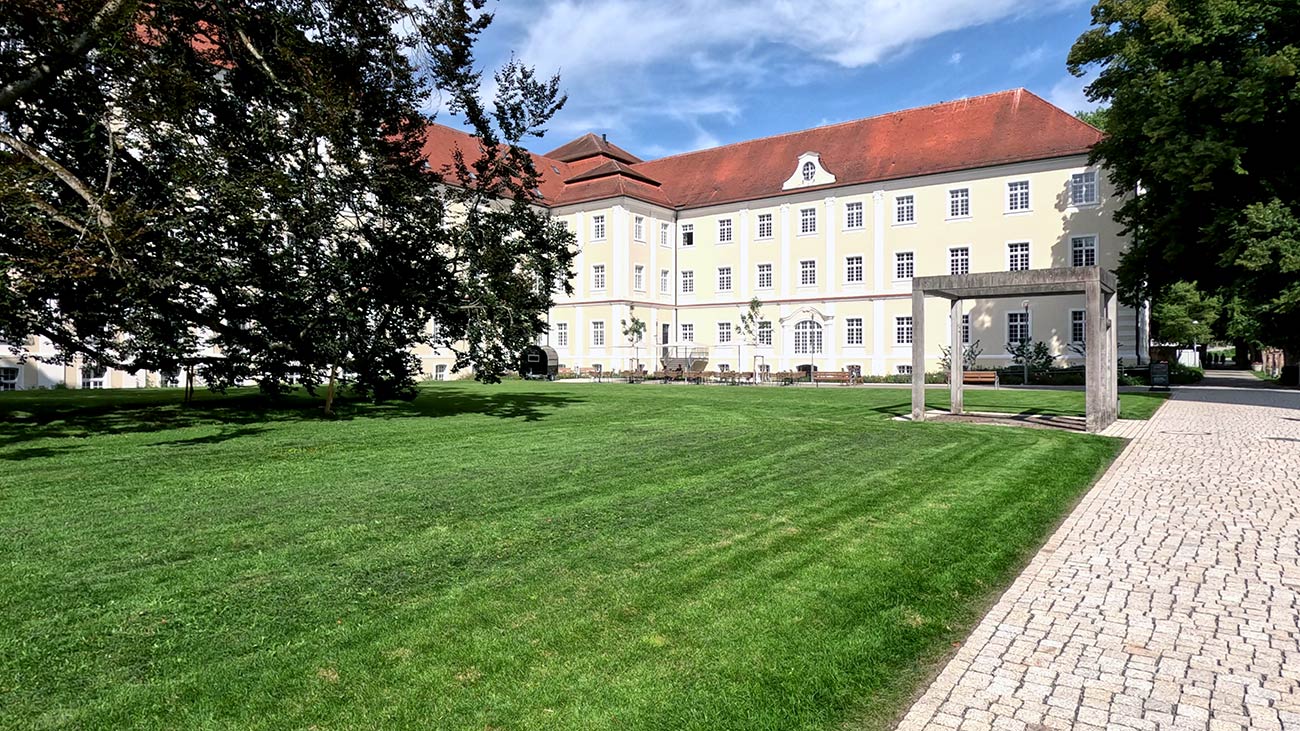
In the quiet farmland of Upper Swabia, where small towns sit among reed-fringed lakes and gentle hills, one modest town holds an interior that few travellers expect to find so far from the great cities. Bad Schussenried grew up around a monastery founded more than eight hundred years ago, and at the heart of that monastery lies one of the most beautiful Rococo libraries in southern Germany, a two-storey hall of painted ceilings, white-and-gold balconies, and shelves once filled with one of the richest book collections in the German-speaking world.
The town takes its name from the river Schussen, which rises nearby, and the prefix Bad from its later life as a small spa town. But its real distinction is the monastery itself, a foundation of the Premonstratensian order that survived fires, war, and financial ruin across the centuries, and was never even fully completed to the grand plans drawn up for it in the eighteenth century. What does survive, however, is extraordinary, a concentrated jewel of Baroque and Rococo art that forms one of the key stops on the Upper Swabian Baroque Route.
For cyclists exploring the Danube along the EuroVelo 6, Bad Schussenried is one of the most rewarding cultural detours in the gentle country south of the river. A short rail journey from Ulm brings you into the heart of Upper Swabia, and a visit can be combined easily with the nearby spa town of Bad Waldsee on the same line. It is the kind of place where a single room can justify an entire day’s detour, and where the surrounding landscape rewards a slower, more contemplative pace.
AbbeyRiverBeerSmall Town
A Baroque Monastery and Its Famous Library
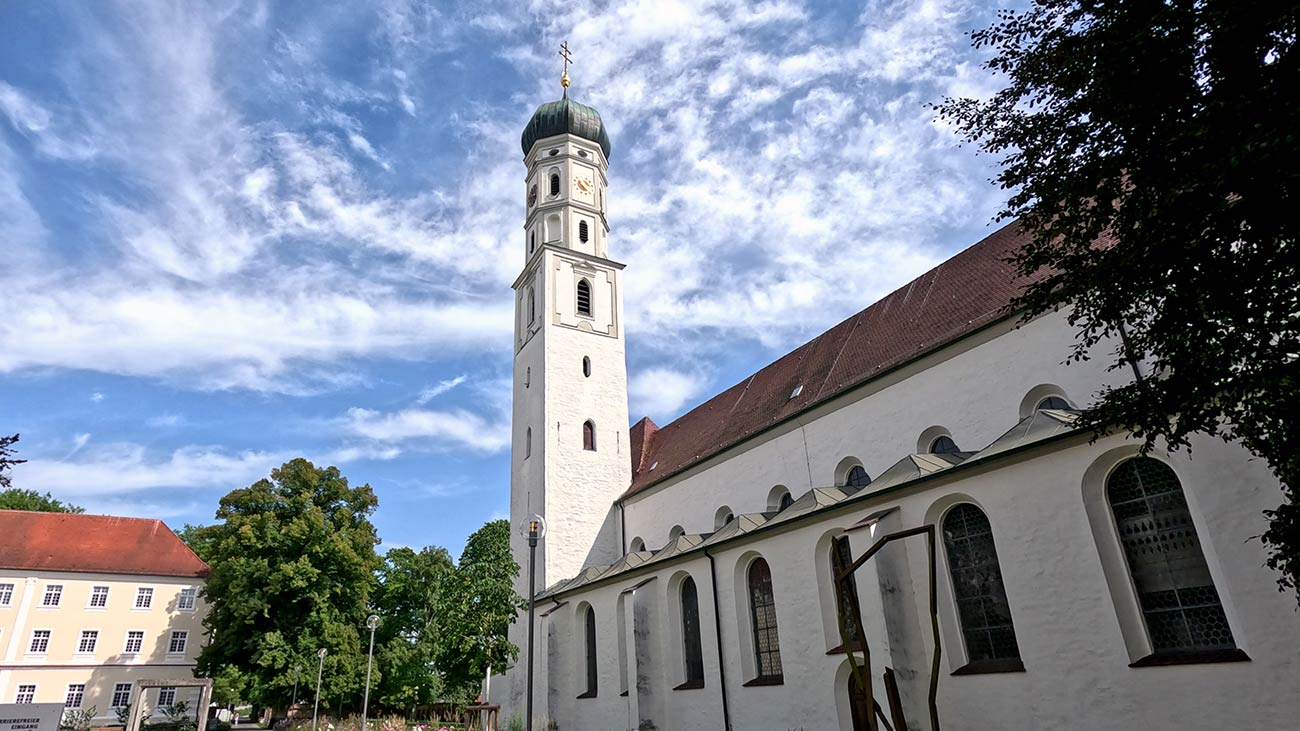
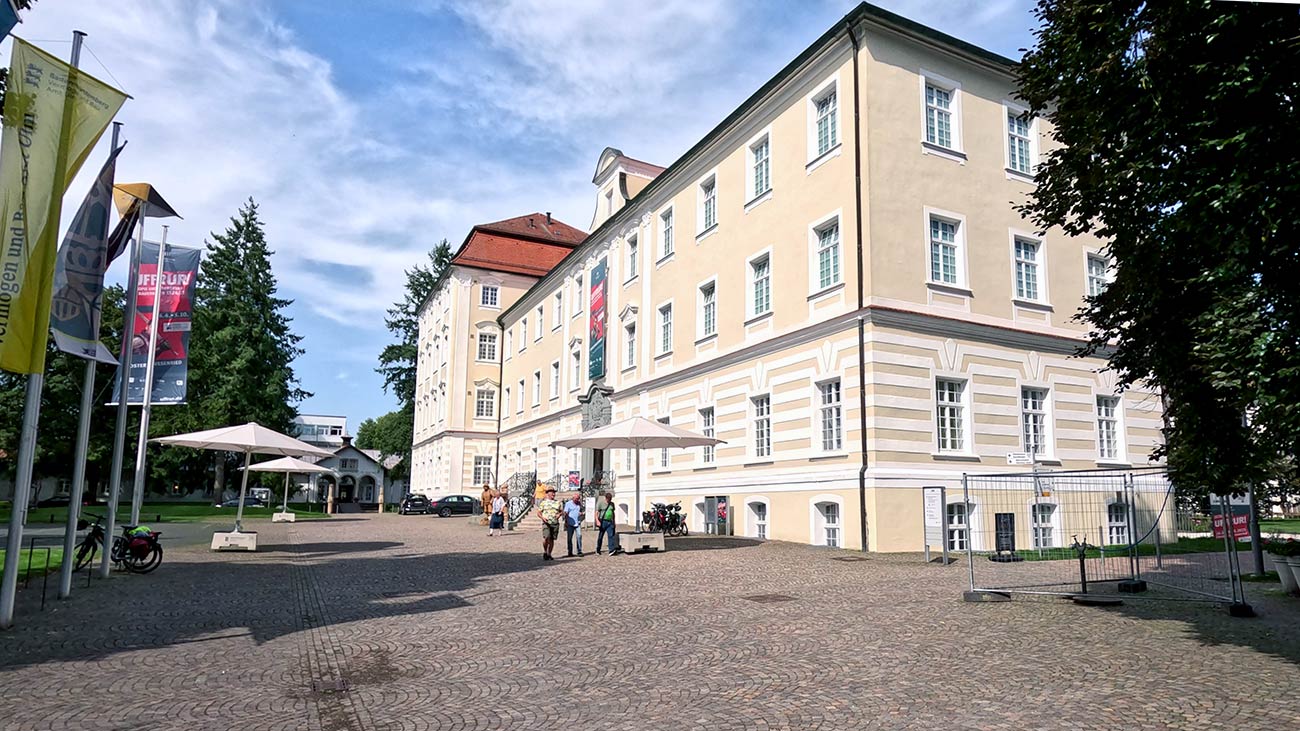
The history of Schussenried Monastery begins in 1183, when monks of the Premonstratensian order founded a religious house by the upper reaches of the river Schussen. Over the following centuries the monastery grew steadily in size and wealth, becoming one of the more prosperous foundations in Upper Swabia, until it was badly damaged by fire during the Thirty Years’ War. In the mid-eighteenth century, the abbot of the day, Magnus Kleber, commissioned the celebrated architect Dominikus Zimmermann, one of the masters of the southern German Rococo, to design an entirely new monastery complex on a grand scale. For financial reasons, the ambitious three-wing design was never fully built, and what stands today is only a fragment of what was planned, but that fragment contains one of the great interiors of the region.
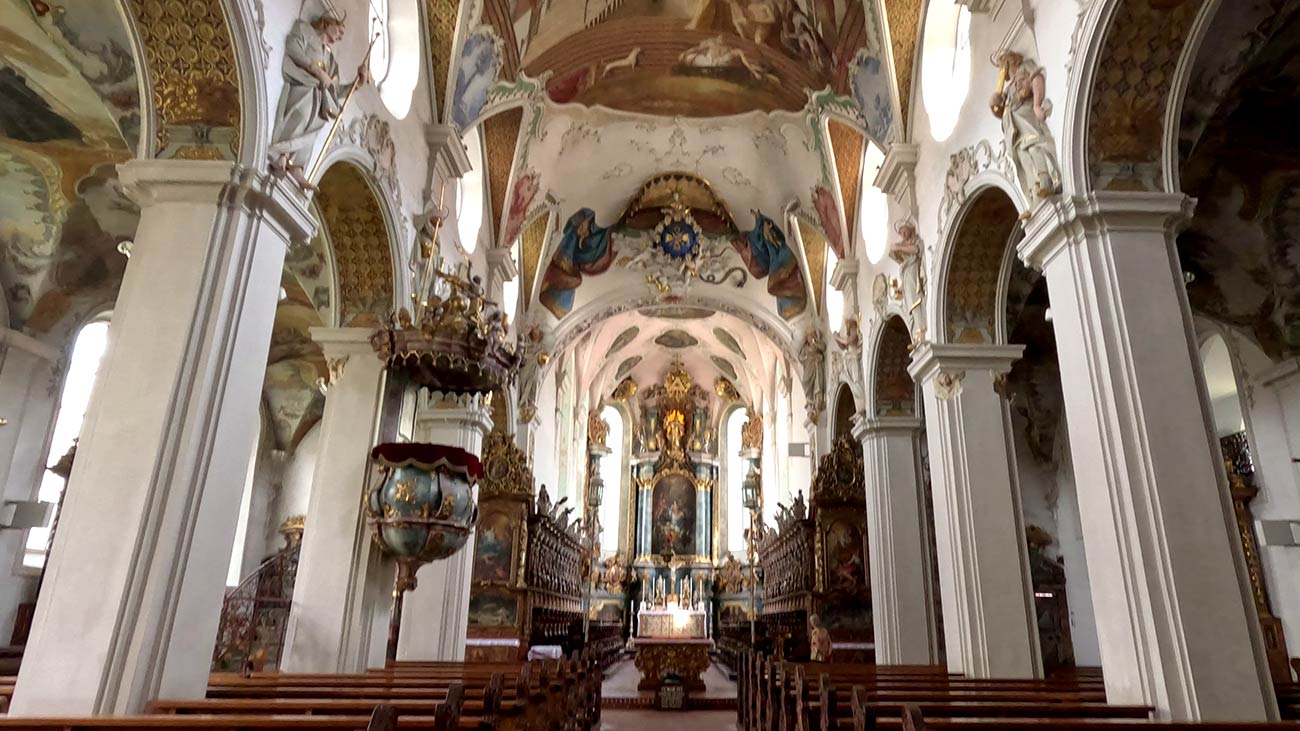
The undisputed highlight is the monastery library, set in the central wing of Zimmermann’s design and widely regarded as one of the most significant achievements of southern German Rococo. The hall rises through two storeys, ringed by an elegant balcony carried on sculpted figures, and is flooded with natural light from tall windows. The bookcases, arranged across both levels, once held a collection that ranked among the largest in German-speaking Europe, and the whole room was conceived as a single artistic statement, a celebration of knowledge as a form of divine order. The ceiling fresco, completed by Franz Georg Hermann in 1757, spreads across the vault in a vast allegory of divine wisdom, weaving together themes of the Apocalypse, science, art, and technology in glowing colour. It is the kind of space that makes visitors fall silent on entering, and it remains one of the principal attractions along the Upper Swabian Baroque Route.
Among the figures painted into the ceiling fresco is one of the monastery’s most curious sons, the canon Caspar Mohr, who in the seventeenth century built a feathered flying machine and very nearly became an aviation pioneer generations before the first airships took to the skies over this same region of southern Germany. His presence in the fresco is a reminder that this was a community of scholars and inventors as well as monks. Elsewhere in the complex, the choir of the monastery church holds another treasure: a set of ornately carved walnut choir stalls, crafted by Georg Anton Machein between 1715 and 1717, with reliefs in lime wood depicting scenes from the Passion of Christ along the backs of the stalls.
The monastery today functions as a cultural site rather than a religious community, and its rooms have been adapted to tell the long story of the place. A modern interactive museum explores the history of the foundation, the role of science and learning in monastic life, and the daily rhythms of the religious community that once lived here. A permanent exhibition is complemented by a regular programme of temporary shows, concerts, and cultural events throughout the year, which keep the old buildings in active use. Beyond the monastery walls, the small town of Bad Schussenried offers a quiet old centre, a handful of cafés and traditional inns, and easy access to the lakes and moors of the surrounding Upper Swabian landscape, including the nearby Federsee, one of the most important wetland nature reserves in southern Germany.
ℹ️ Useful Links
Mobility for Cyclists
Reaching the town by train with your bike
Bad Schussenried can be reached from the EuroVelo 6 by a single regional rail journey from one of the main cities on the Danube cycle path. The town lies south of the Danube in the gentle landscape of Upper Swabia, on the direct rail line between Ulm and Lake Constance, which makes the connection both quick and straightforward.
The connection
The most practical connection from the EuroVelo 6 corridor is from Ulm, where regional trains run directly to Bad Schussenried in around 35 minutes, with frequent departures throughout the day. The line runs south through the open farmland of Upper Swabia toward Lake Constance, and no change is needed on the direct services. The proximity to Ulm makes Bad Schussenried easy to reach as a half-day trip, and it can be combined naturally with the nearby spa town of Bad Waldsee, which lies a little further along the same line, for travellers who would like to fill a full day in the region.
German trains
The rail network in this part of Germany is operated mainly by Deutsche Bahn (DB), which runs most long-distance services and a large share of regional connections across the area. Alongside DB, several regional operators run local and feeder lines, particularly on secondary routes through the Swabian Alb and the Neckar valley, but they are fully integrated into the national rail system. This creates a highly coordinated transport network where transfers between different operators are seamless and require no separate tickets. The DB Navigator app is the central tool for planning journeys, checking timetables, and purchasing tickets across all services, including both regional and long-distance trains. During the main holiday season, special bike-friendly trains with expanded capacity for bicycles also run on selected regional routes, making travel with a bike across the region noticeably easier.
Taking your bike
This part of Germany is generally very bike-friendly when it comes to rail transport, especially on regional trains, which form the core of mobility for cycle touring along the Danube and Neckar corridors. Most regional services allow bicycle transport without mandatory reservation, although space is limited and operates on a first-come, first-served basis. A separate bicycle ticket is typically required during weekday morning peak hours, or it can be purchased as an affordable regional day pass, while outside peak periods and on weekends bicycle transport is often free across large parts of Baden-Württemberg. Long-distance trains such as IC and ICE require advance bicycle reservations and have limited capacity, so early planning is important for intercity travel. Overall, the system is well adapted to cycle tourism, offering strong flexibility and occasional dedicated bicycle-friendly or seasonal train services that further improve connectivity for travellers leaving the EuroVelo 6 route.
Bikes on Buses
Long-distance bus services in southern Germany are primarily operated by FlixBus, complemented by a smaller number of regional and private coach operators on selected routes. Bicycle transport is available on certain intercity connections, either via external bike racks or in the luggage compartment, but it is not consistently guaranteed across the network and depends on the specific vehicle type and route configuration. Where available, bicycle transport must be reserved in advance and capacity is limited, making it less flexible compared to rail services. As a result, buses are generally used as a secondary option for cyclists, mainly for longer-distance repositioning between major cities rather than as a core part of cycling itineraries along the Danube region. While useful in specific cases where rail connections are less convenient, they are less predictable and less standardized for bicycle transport, so advance planning is essential.
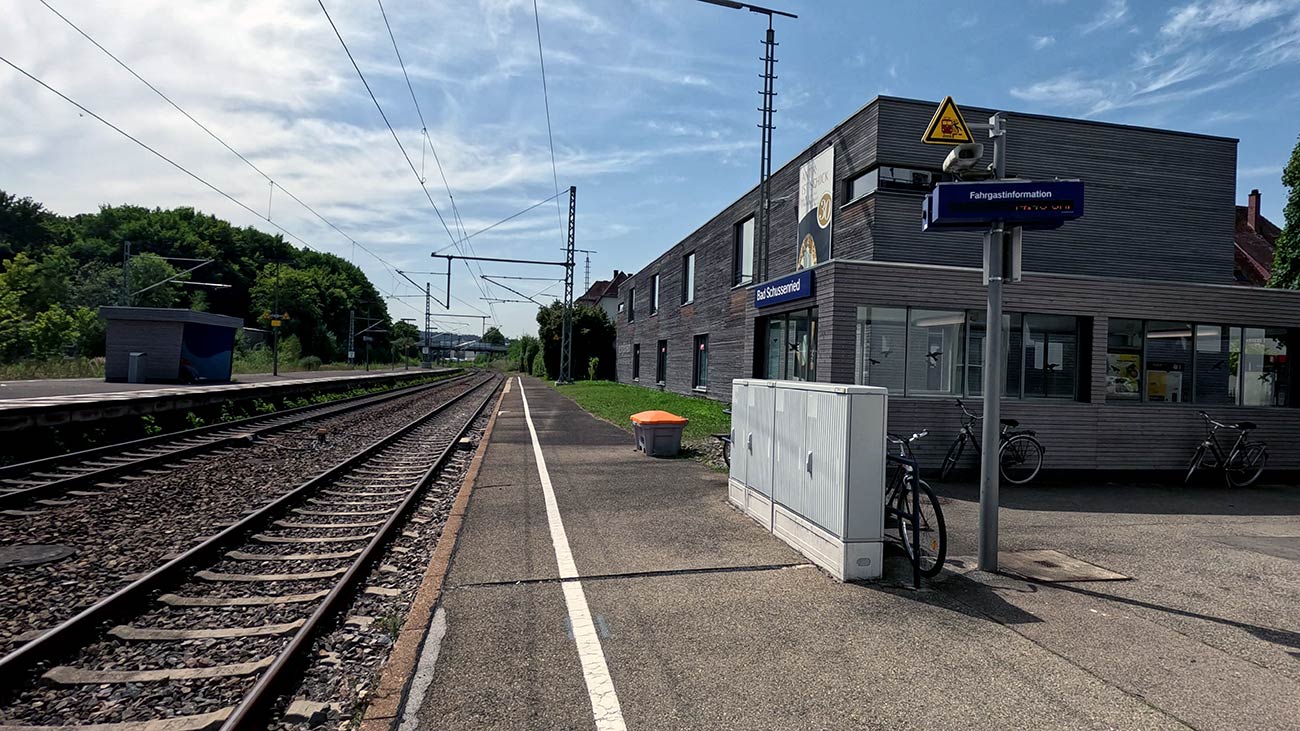
Arriving at Bad Schussenried Station
Bad Schussenried’s railway station lies a little outside the centre, about two kilometres from the monastery, which is a short ride by bike or a walk of roughly twenty-five minutes through the town. The route into the centre is flat and easy to follow, and the surrounding terrain of Upper Swabia is gentle and well suited to cycling. The monastery and the old town are compact and easily explored on foot once you arrive. For onward travel, the same line connects back toward Ulm and the wider Danube region, as well as south toward Bad Waldsee and Lake Constance, so Bad Schussenried works well either as a focused half-day detour or as one stop in a longer day exploring the Baroque heritage of Upper Swabia.