Siklós Castle and Villányi Wine Region
Reading time: 13 minutes
SIKLÓS AND VILLÁNY, BARANYA COUNTY, HUNGARY
A Border Fortress and Hungary’s Southernmost Wine Country
In the warmest corner of Hungary, where the last low ridges of the Villány Hills rise gently from the Pannonian plain before the land flattens out toward the Croatian border, lies a small region built almost entirely around two things: a single, near-intact medieval castle, and some of the most respected red wine in the country. Siklós Castle has guarded this southern frontier since the late thirteenth century, and the Villány wine region that spreads across the surrounding hills has, since the late twentieth century, become known as Hungary’s premier red wine appellation. Together they form one of the most rewarding short detours on the entire Hungarian stretch of the EuroVelo 6, a place where a single day can move between battlements, vineyards, and a wine cellar carved into the warm limestone soil.
The fortress at Siklós rises almost completely intact above the small town that shares its name, a rarity among Hungarian castles, most of which exist today only as ruins. First mentioned in a charter of 1190, the castle was built up over roughly five centuries, reaching its architectural peak in the fifteenth century under the Garai family, one of the most powerful noble houses in the kingdom, who left behind a late-Gothic chapel whose frescoes and a carved figure of Christ lay hidden in the walls for five hundred years before being rediscovered in 2014. A few kilometres south, the town of Villány gives its name to a wine region first granted official protection as Hungary’s inaugural wine route in 1994, the Villány-Siklós Wine Route, which today links eighteen villages and their surrounding vineyards. The warm microclimate here, among the sunniest in the country, has made Villány the natural home of bold red wines built on Cabernet Franc (locally celebrated as Villányi Franc), Kékfrankos, Merlot, and Cabernet Sauvignon, with family wineries such as Bock, Gere, Sauska, and Tiffán anchoring the region’s modern reputation.
For cyclists exploring the Danube along the EuroVelo 6, Siklós and Villány together make for one of the most varied inland detours from the Hungarian stretch of the route. The natural gateway is Mohács on the Danube, from where a direct MÁV train reaches Villány in around 25 minutes. From Villány, most travellers continue by bike: either a roughly 15-kilometre ride south to Siklós along the signposted wine route, partly on dedicated cycling paths through the vineyards, or, to save time, a shorter loop riding the seven kilometres between Siklós and Vokány in one direction only and using public transport for the other leg. A day or two spent moving between the castle ramparts, the cellar rows, and the open hills gives a genuinely different texture to a Danube cycling trip, equal parts medieval history and a taste of Hungary’s most celebrated red wine country.
CastleWineViewsNature
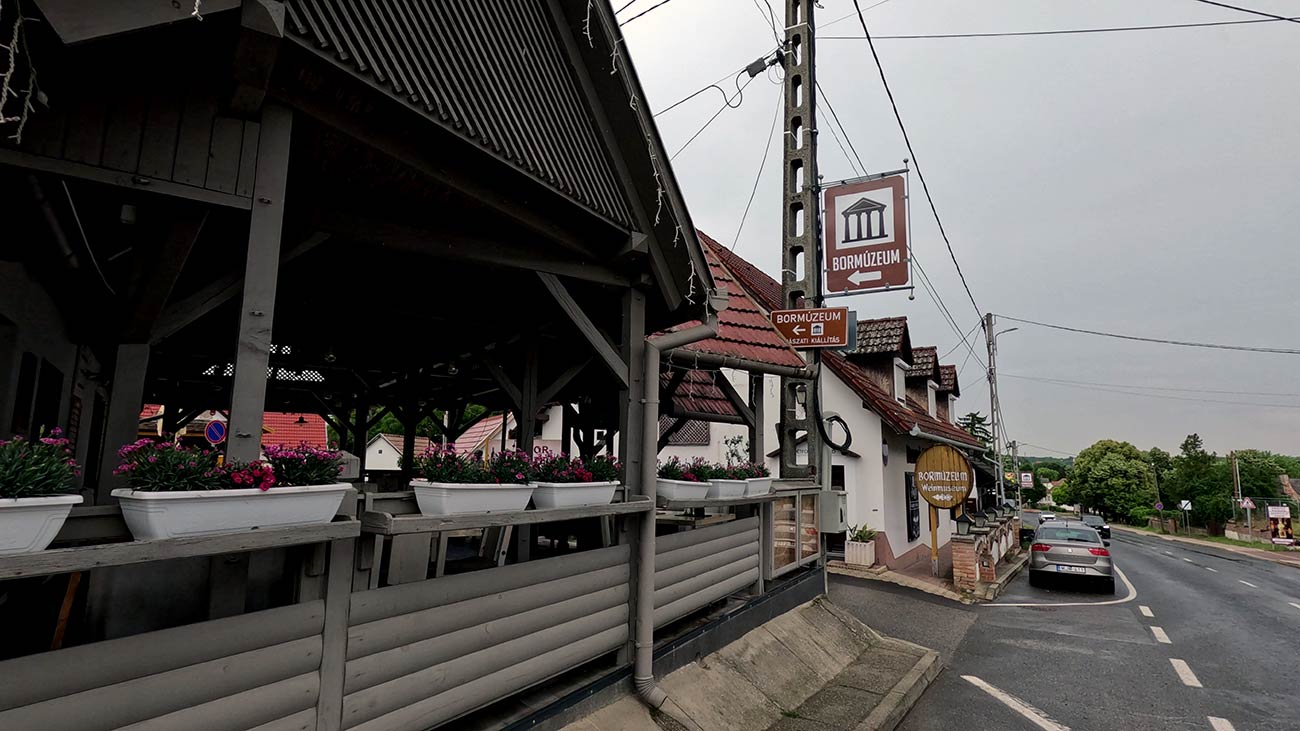
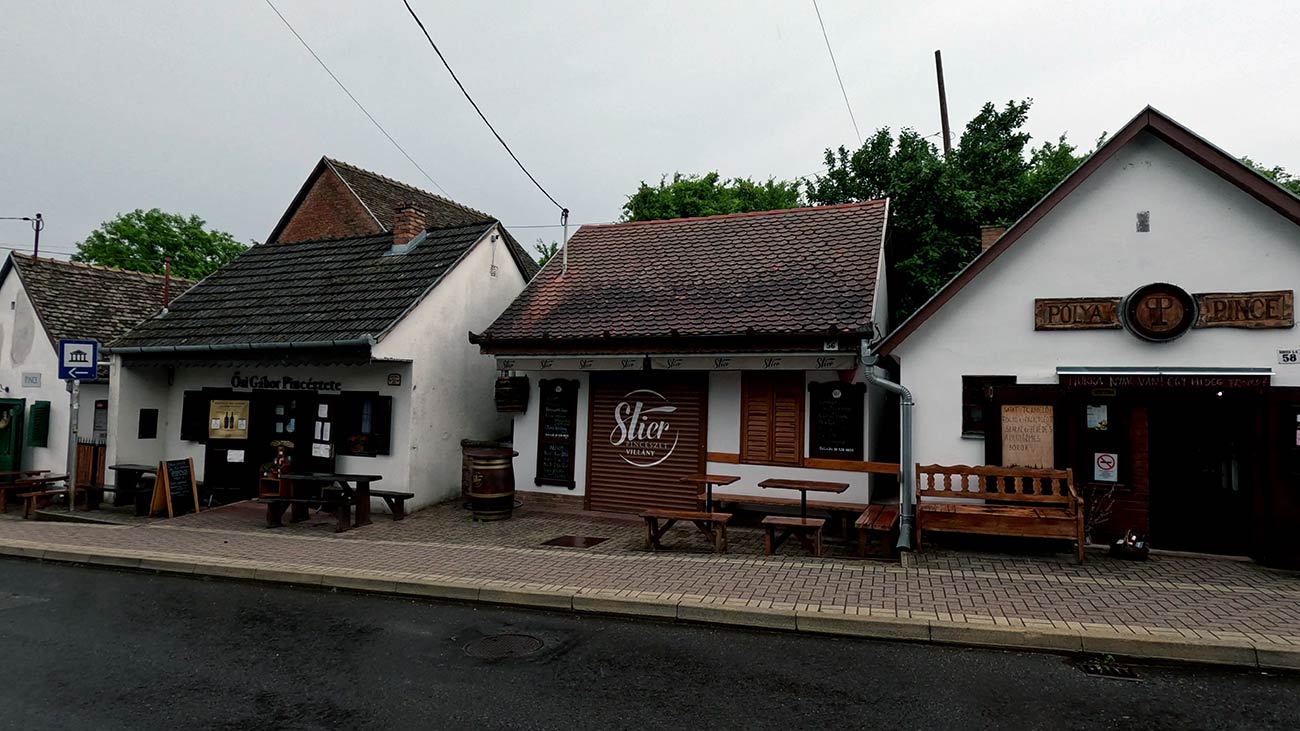
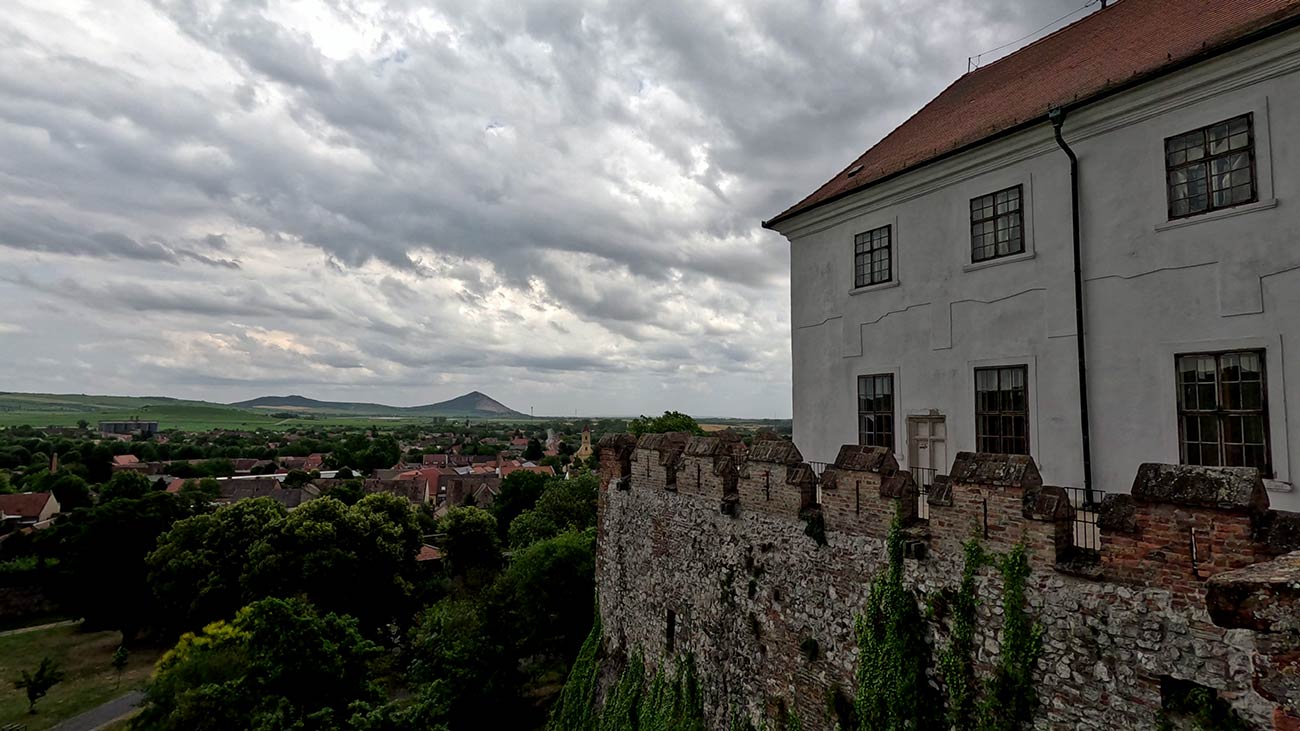
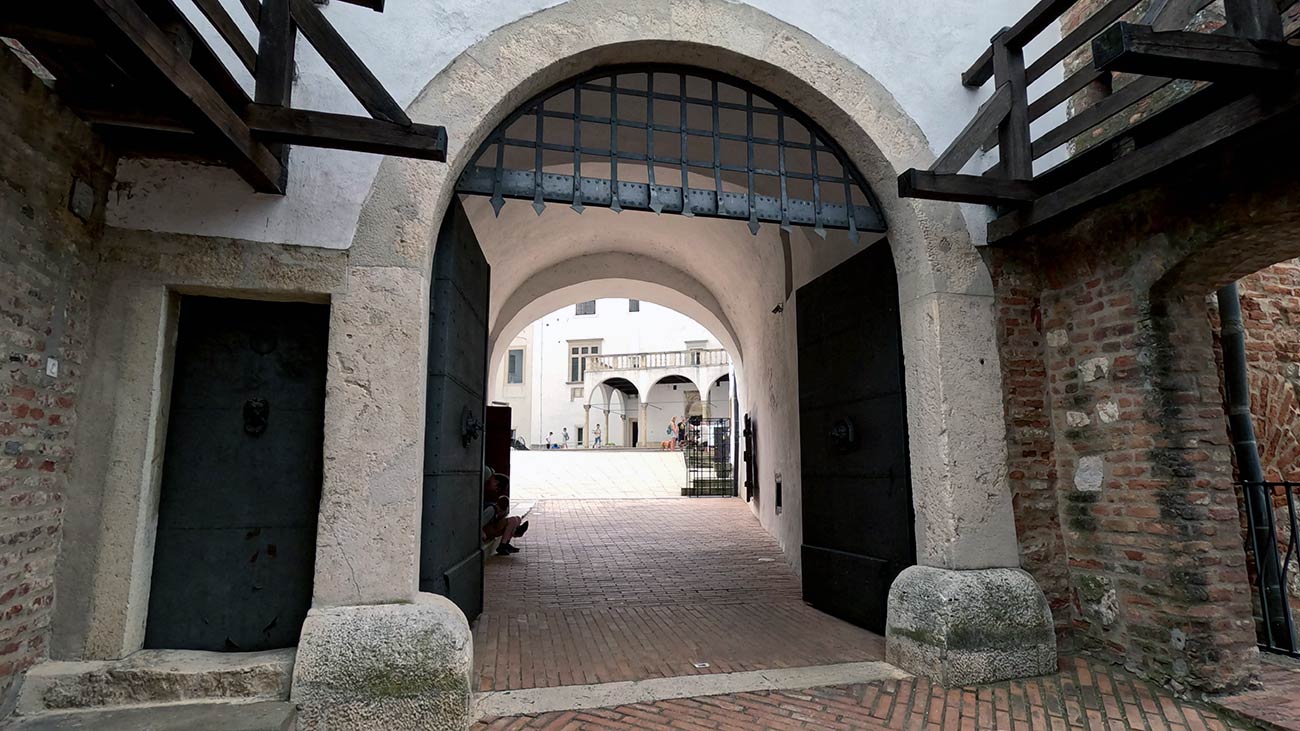
A Near-Complete Medieval Castle Above Hungary’s Bordeaux of the South
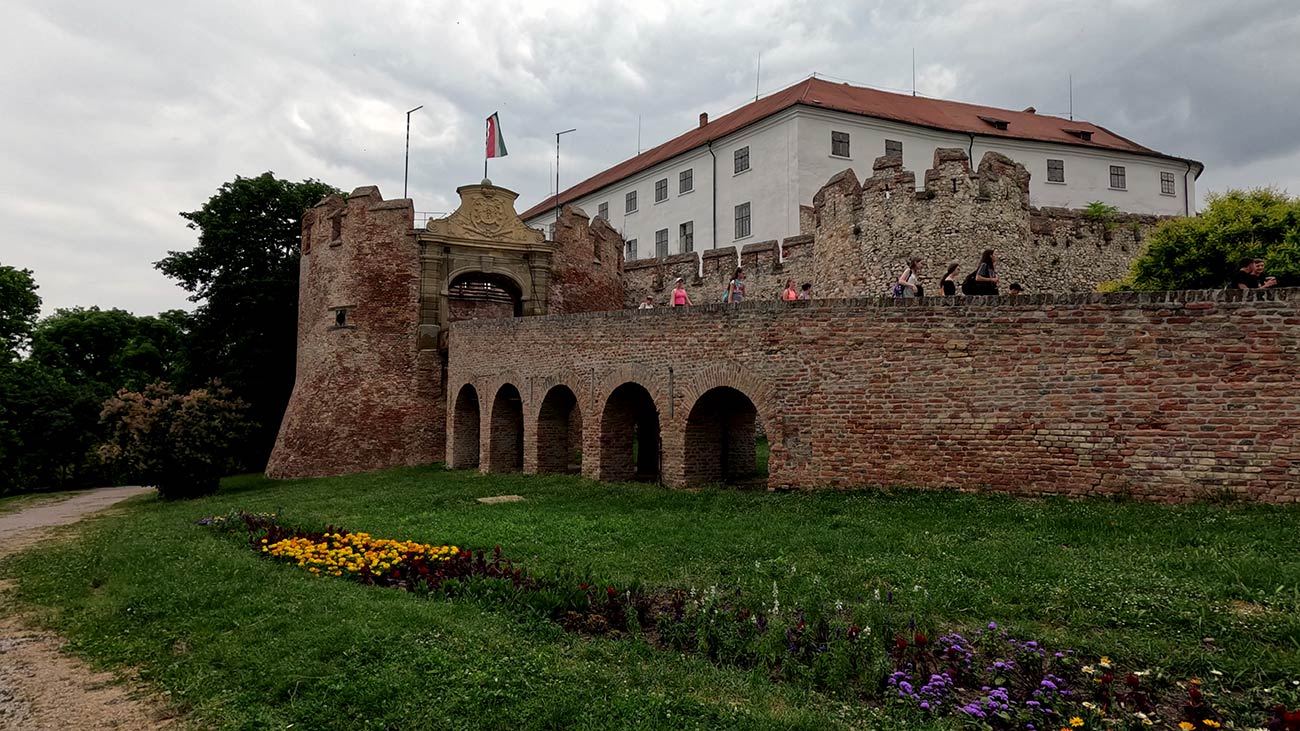
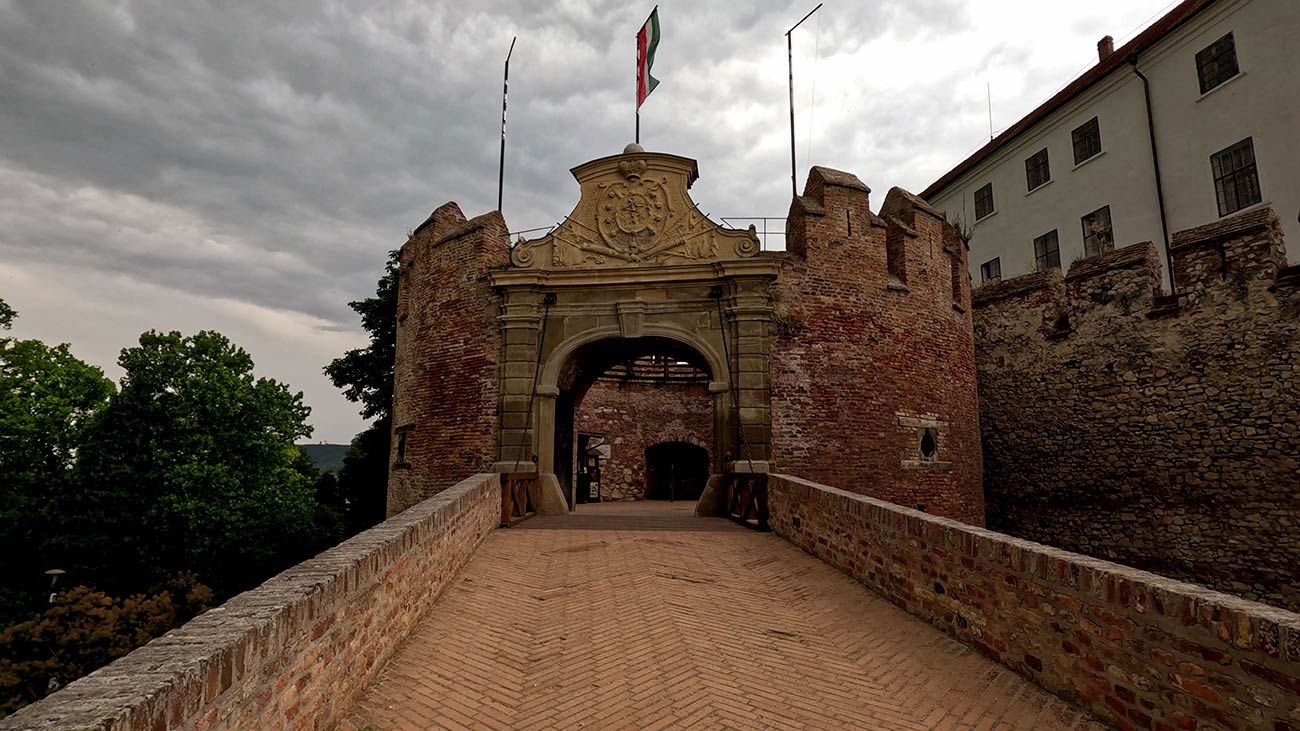
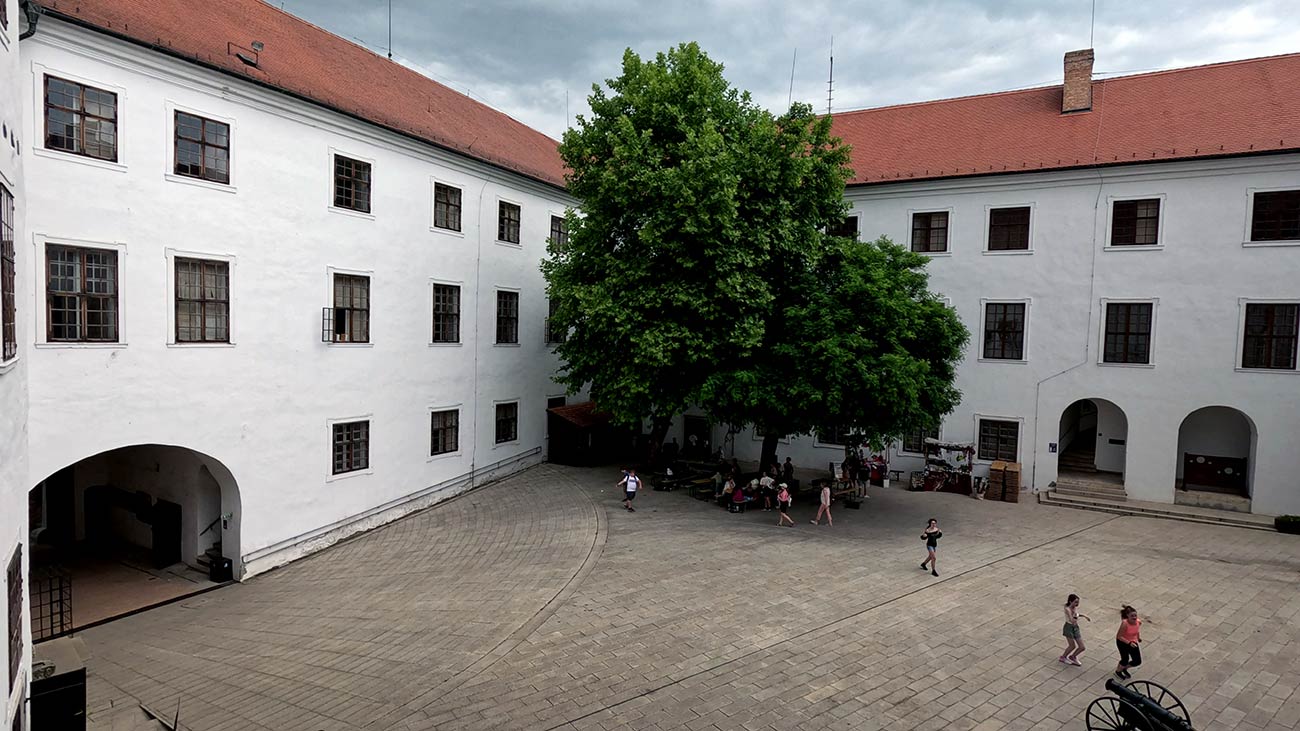
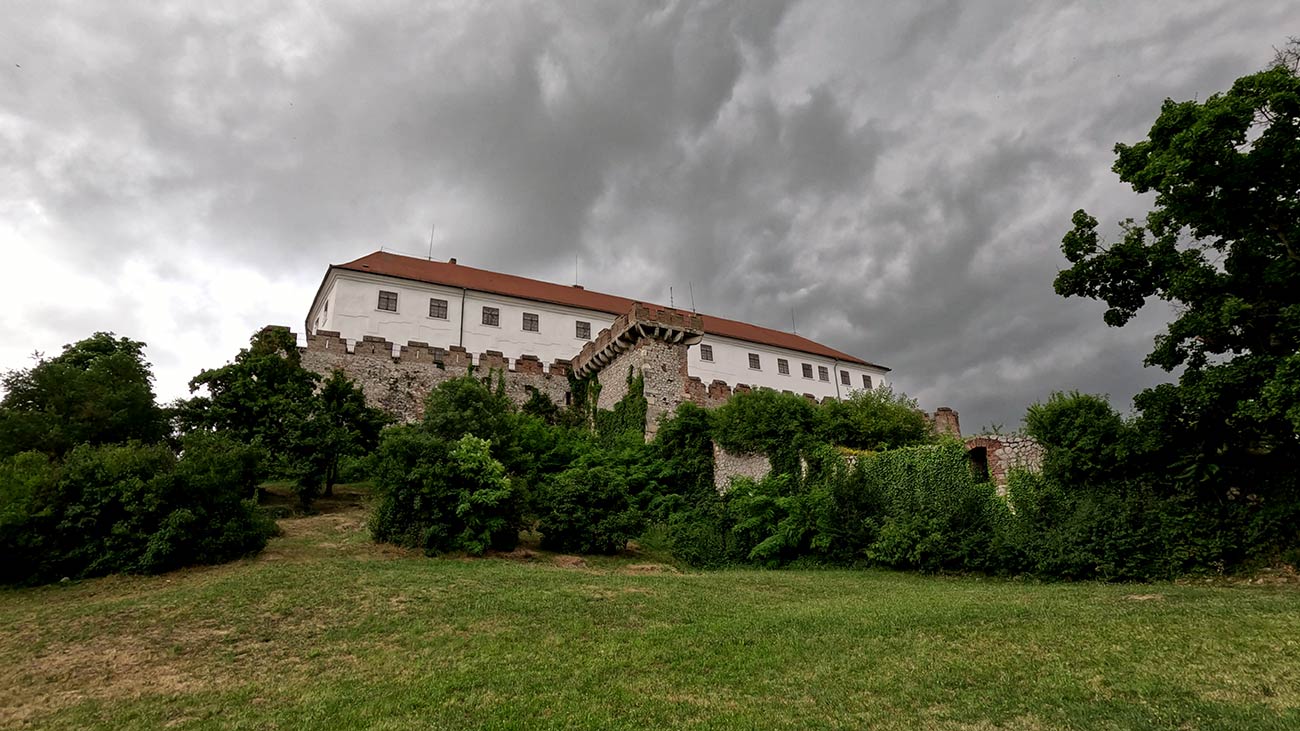
Siklós Castle (Siklósi vár) is, by general consensus, one of the best-preserved medieval castles in Hungary, and its survival is itself unusual: while most Hungarian castles exist today only as ruins, Siklós rises almost fully intact above its town, with high curtain walls, bastions, and towers enclosing a still-coherent castle district that also includes a former Franciscan monastery and church. The earliest fortification on this site dates to Roman times, when a watchtower on the hill of Serena (the old name for Siklós) guarded the road along which successive waves of Migration Period peoples, Tatars, and Ottoman armies later passed. The settlement itself first appears in documents in 1190, under the names Suklos and Soklos, and the castle’s construction unfolded across roughly five centuries, leaving behind a layered architectural record of Gothic, Renaissance, and Baroque styles. The castle’s golden age came in the fifteenth century, under the Garai family, among the most influential noble houses of medieval Hungary, who built the impressive late-Gothic castle chapel. In 2014, restorers uncovered frescoes and a carved figure of Christ that had been deliberately hidden within the chapel walls for around five hundred years, a discovery that added a genuine note of mystery to an already well-documented building. A thorough renovation between 2009 and 2011 returned the castle to the polished, visitor-ready condition it presents today, complete with a dungeon and torture-chamber exhibition, a medieval weapons and military history display, a Renaissance furniture collection, exhibits on the Serbian and Croatian minorities of the region, and a children’s medieval playland in the north wing. A wine museum and shop inside the castle walls, dedicated to the surrounding Villány region, makes the connection between the two halves of this detour explicit from the very first room.
South of the castle, the gentle hills around Villány form Hungary’s southernmost and warmest wine region, often nicknamed the country’s Bordeaux of the South for its red-wine focus and Mediterranean-leaning climate. The region was the first in Hungary to be formally designated a dedicated wine route, in 1994, and the Villány-Siklós Wine Route today links eighteen villages and their vineyards, all explorable on foot, by bike, or by car at whatever pace suits the traveller. The signature variety is Cabernet Franc, grown here with such consistent quality that wines made purely from this grape carry their own protected designation, Villányi Franc. Alongside it, Kékfrankos, Merlot, Cabernet Sauvignon, and other red varieties round out a portfolio built almost entirely around structured, full-bodied reds, a rarity in a country more commonly associated with whites and sweet Tokaji. A handful of family wineries, including Bock, Gere, Sauska, Tiffán, Malatinszky, Jammertal, and Csányi, anchor the modern reputation of the region, several of them associated with the so-called Villányi Five (Villányi Ötök), the winemakers credited with rebuilding Hungary’s reputation for serious red wine after the fall of communism. Beyond the cellars, the wider region offers the open-air Nagyharsány Sculpture Park, set in a former limestone quarry on the slopes of Szársomlyó, the tallest hill of Villány, and the round village church and traditional wine cellars of nearby Palkonya, a quieter and equally photogenic stop on the wine route.
The ride between the two halves of this detour is itself part of the appeal. The roughly 15-kilometre route from Villány to Siklós runs partly on a dedicated cycling path cut directly through the vineyards and partly on quiet, low-traffic shared roads, with the towers of the castle visible from a considerable distance as the route approaches the town. For travellers with less time, the shorter stretch between Siklós and Vokány, around seven kilometres, lets cyclists ride one leg of the wider loop and rely on the local train or bus for the return, saving roughly an hour without losing the experience of cycling through the heart of the wine country.
 Useful Links
Mobility for Cyclists
The connection
The most practical connection from the EuroVelo 6 corridor is from Mohács, where MÁV-START regional trains run directly to Villány in around 25 minutes, with departures roughly every four hours. Cyclists riding the Hungarian stretch of the EuroVelo 6 will find Mohács the natural transfer point. From Villány, the journey to Siklós continues by bike along the signposted Villány-Siklós Wine Route, around 15 kilometres in total, partly on dedicated cycle paths through the vineyards and partly on quiet shared roads. Travellers wanting to save time can instead ride only the shorter Siklós–Vokány stretch, around 7 kilometres, in one direction, and cover the remaining distance by local train or bus on the other leg, since both Villány and the wider area are also connected by MÁV regional services and Volánbusz routes. The detour also combines naturally with Pécs, which lies on the same regional rail network and offers a longer cultural stop before or after visiting Siklós and Villány.
Hungarian Trains
The rail network in Hungary is operated mainly by MÁV-START, the passenger arm of the Hungarian State Railways (Magyar Államvasutak), which runs most long-distance services and a large share of regional connections across the country. Alongside MÁV-START, the private operator GySEV / Raaberbahn (Győr-Sopron-Ebenfurti Vasút) runs cross-border lines in the western part of the country toward Austria, while a smaller number of regional operators run local and feeder lines on selected routes. All operators are fully integrated into the national rail system, so transfers between them are straightforward. The Hungarian rail network is organised around Budapest, with high-frequency InterCity and EuroCity services radiating out from the capital toward Lake Balaton, the Croatian border, the Carpathian foothills, and the eastern plains, alongside a dense network of regional and local services. The Danube region in Hungary is particularly well served by rail, with the main north-south corridor running close to the river from the Slovak border through Budapest and onward toward Mohács, and several east-west lines branching out to inland destinations. The MÁV app is the central tool for planning journeys, checking timetables, and purchasing tickets across all services, including both regional and long-distance trains.
Taking your bike
Hungary is generally very bike-friendly when it comes to rail transport, especially on regional services operated by MÁV-START, which form the core of mobility for cycle touring along the Danube and its connecting corridors. On regional and local trains, bicycles can be taken on board for an additional fee, with no advance reservation possible and a first-come, first-served allocation of space. Bicycle tickets are sold as single trips or as affordable daily or weekly passes, valid across the regional network. On long-distance services such as InterCity and EuroCity trains, an advance reservation for the bicycle is mandatory, with the bike spaces located in dedicated zones in second-class carriages. The private operator GySEV / Raaberbahn, which runs cross-border services in the western part of the country, also accepts bicycles on board with broadly similar rules. Folding bikes are carried free of charge as hand luggage on all operators, provided they fit in the luggage racks. Overall, the Hungarian rail system is well adapted to cycle tourism and offers a flexible combination of train and bike that makes it easy to leave the EuroVelo 6 route in either direction for short or extended detours.
Bikes on Buses
Long-distance bus services in Hungary are primarily operated by Volánbusz, the national coach operator now consolidated under the MÁV group, alongside FlixBus and a smaller number of regional and private operators on selected international and domestic routes. The long-distance bus network is unusually well developed by central European standards, with frequent connections from Budapest to all the major regional centres and a dense web of services across the countryside that complement and sometimes overlap with the rail network. Bicycle transport is available on certain FlixBus connections, either via external bike racks or in the luggage compartment, but it is not consistently guaranteed across the network and depends on the specific vehicle type and route configuration. Where available, bicycle transport must be reserved in advance and capacity is limited, making it less flexible compared to rail services. Volánbusz coaches generally do not carry assembled bicycles, although folded or packed bikes may be accepted as luggage on a case-by-case basis. As a result, buses are generally used as a secondary option for cyclists, mainly for longer-distance repositioning between major cities rather than as a core part of cycling itineraries along the Danube region. While useful in specific cases where rail connections are less convenient, they are less predictable and less standardised for bicycle transport, so advance planning is essential.
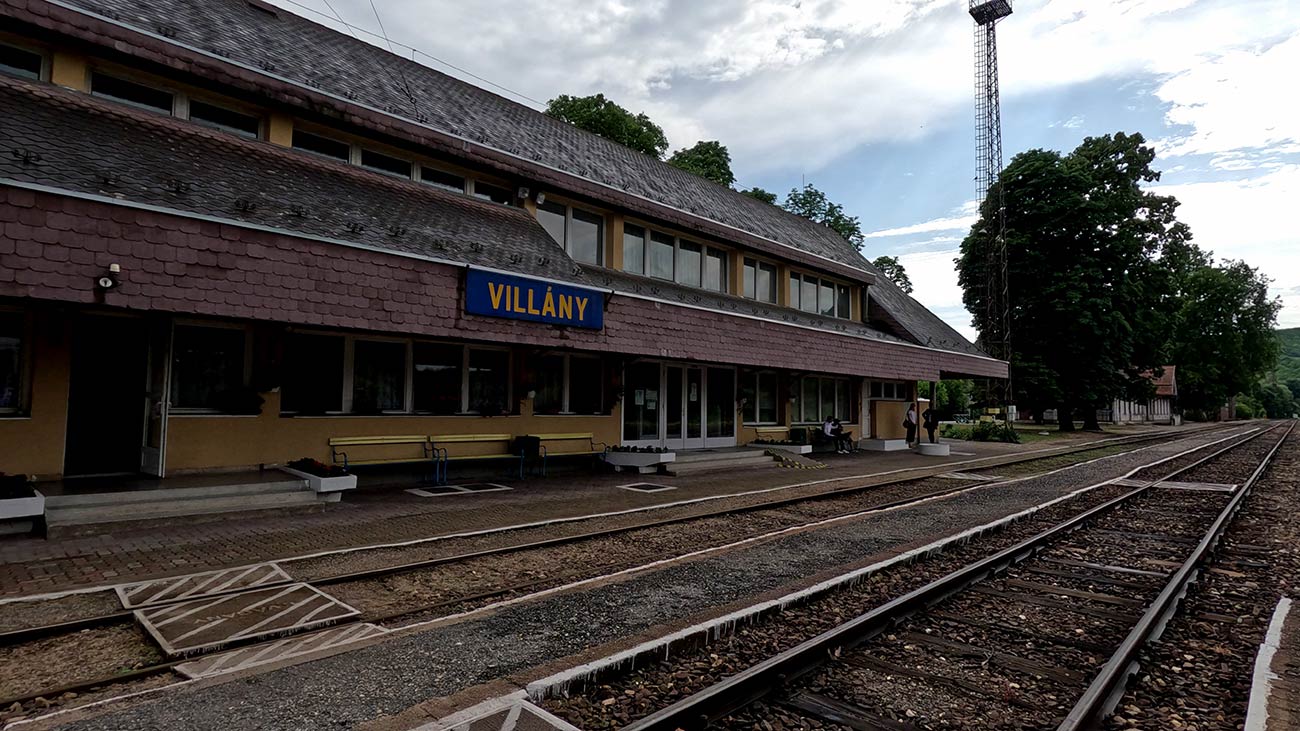
Arriving at Villány Station and Continuing to Siklós
Villány’s small railway station sits close to the town centre, with the main wineries, the wine museum, and the start of the signposted cycle route to Siklós all reachable within a few minutes on foot or by bike. The route south to Siklós follows the gentle contours of the Villány Hills, with the castle visible from several kilometres away as the road climbs toward the town. Bike racks are available at the Villány station and at Siklós Castle itself, where bikes can be left securely while exploring the fortress and its exhibitions. For onward travel, the same rail line connects back toward Mohács and the wider Danube region, as well as further south toward Pécs, so a visit to Siklós and Villány works equally well as a single demanding day from the Danube or as a relaxed overnight stop combining castle, cellar, and vineyard at an easier pace.