Danube Delta
Reading time: 12 minutes
DANUBE DELTA, TULCEA COUNTY, ROMANIA
Europe’s Last Great Wilderness Where the River Meets the Sea
At the very end of its 2,850-kilometre journey across ten countries, the Danube finally slows, spreads, and dissolves into one of the largest and best-preserved wetlands in Europe. The Danube Delta is where the river splits into three main channels, the Chilia, Sulina, and Sfântu Gheorghe, each cutting its own slow path through reed beds, floating islands, sandbanks, and shallow lakes before reaching the Black Sea. Formed over more than ten thousand years and still actively growing as the river deposits around 67 million tonnes of sediment every year, the Delta is one of the youngest landscapes in Europe and, at the same time, one of its richest: a UNESCO World Heritage Site, a Biosphere Reserve, and a Ramsar wetland of international importance, all at once.
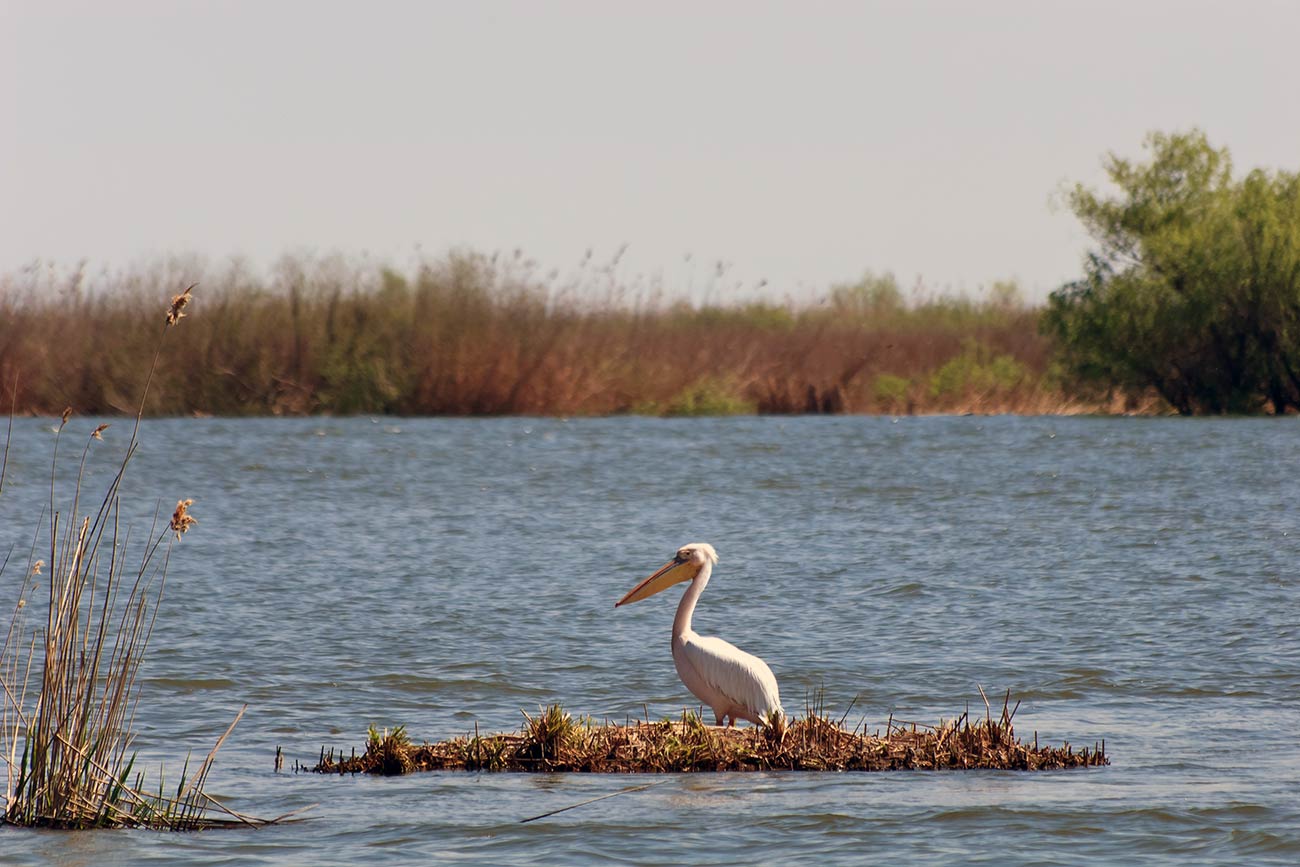
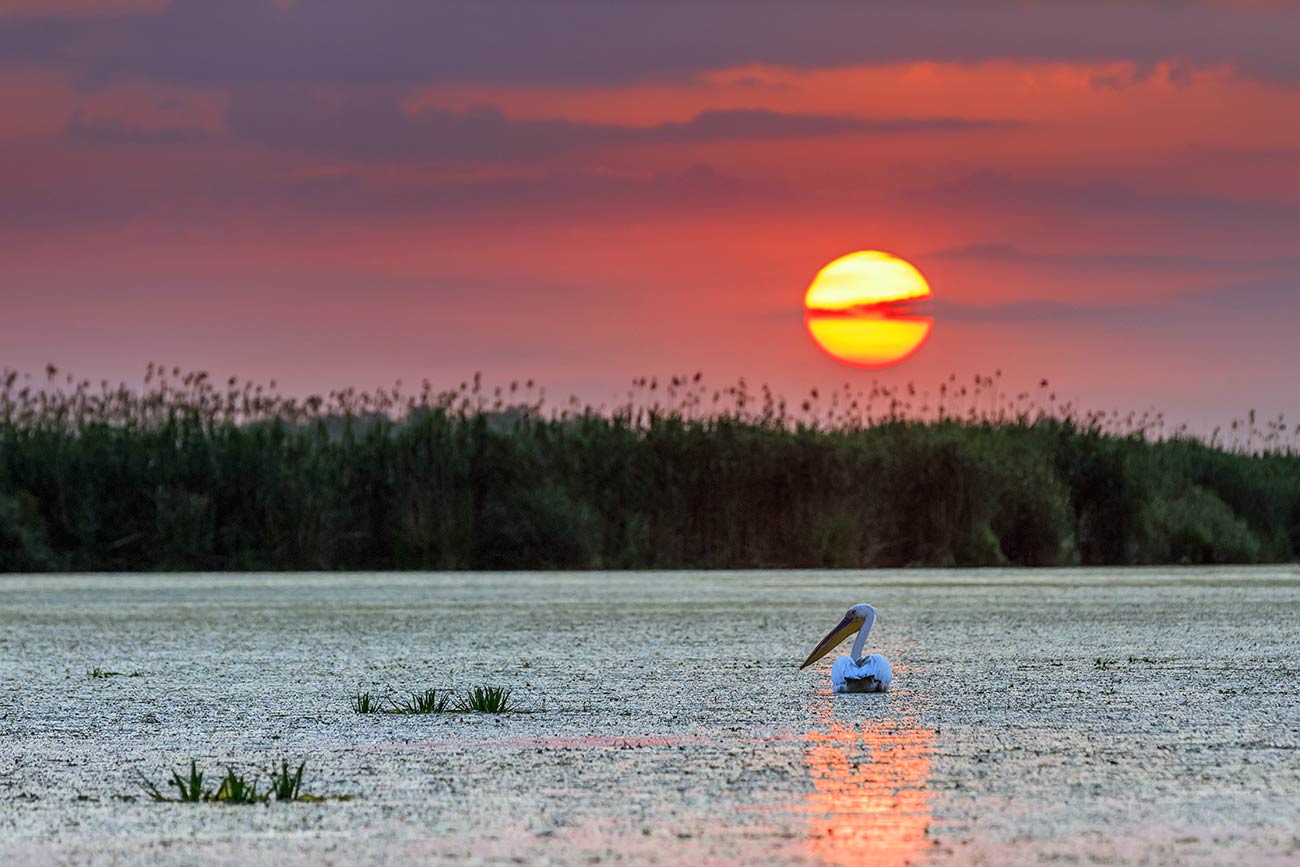
The numbers alone give some sense of scale. The Romanian side of the Delta covers around 4,170 square kilometres of marsh, channel, lagoon, and forest, with more than 5,500 recorded species of flora and fauna, a level of biodiversity exceeded in the world only by the Great Barrier Reef and the Galápagos Islands. More than 300 bird species nest or pass through here, including the largest colony of white pelicans in Europe, and the reed beds that cover much of the Delta form one of the largest continuous expanses of reed in the world. Roughly 15,000 people live scattered across some 27 to 28 villages and the small town of Sulina, a population density of barely two people per square kilometre, making this one of the least inhabited corners of temperate Europe. Many of these villages can only be reached by water at all, since no roads connect them to the outside world.
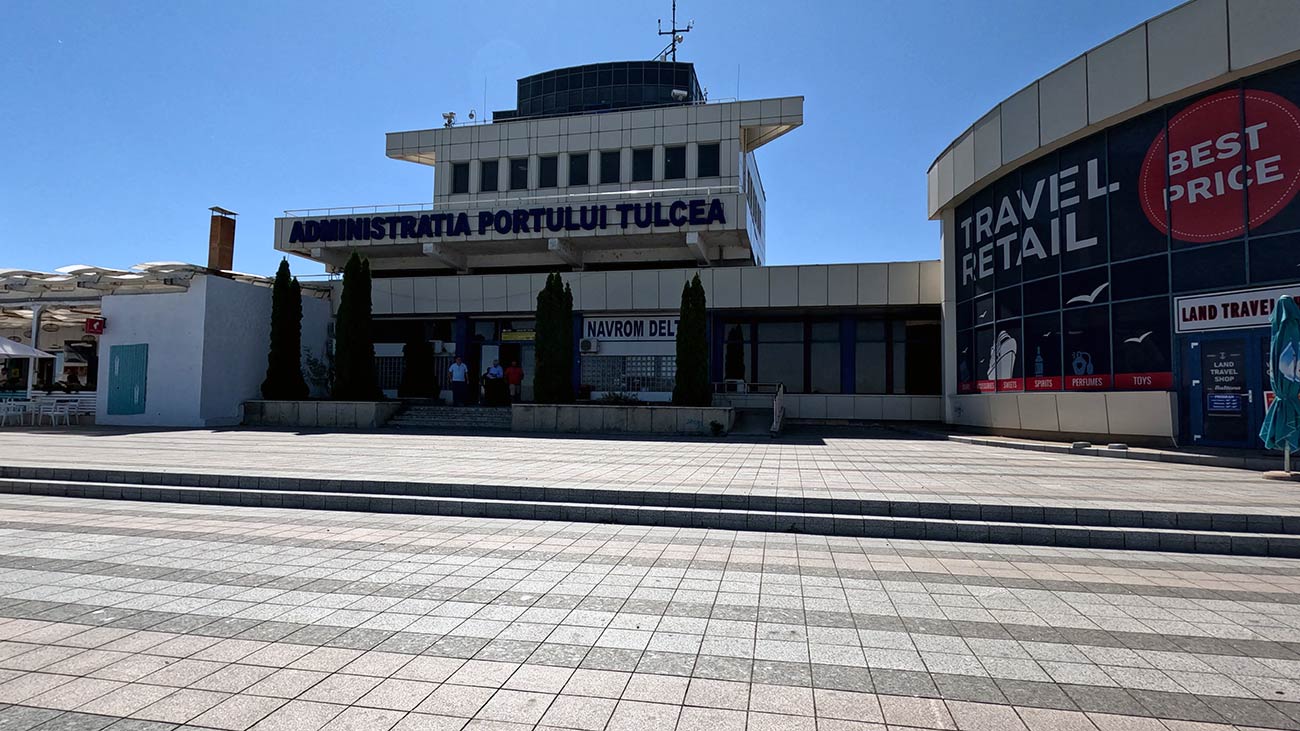
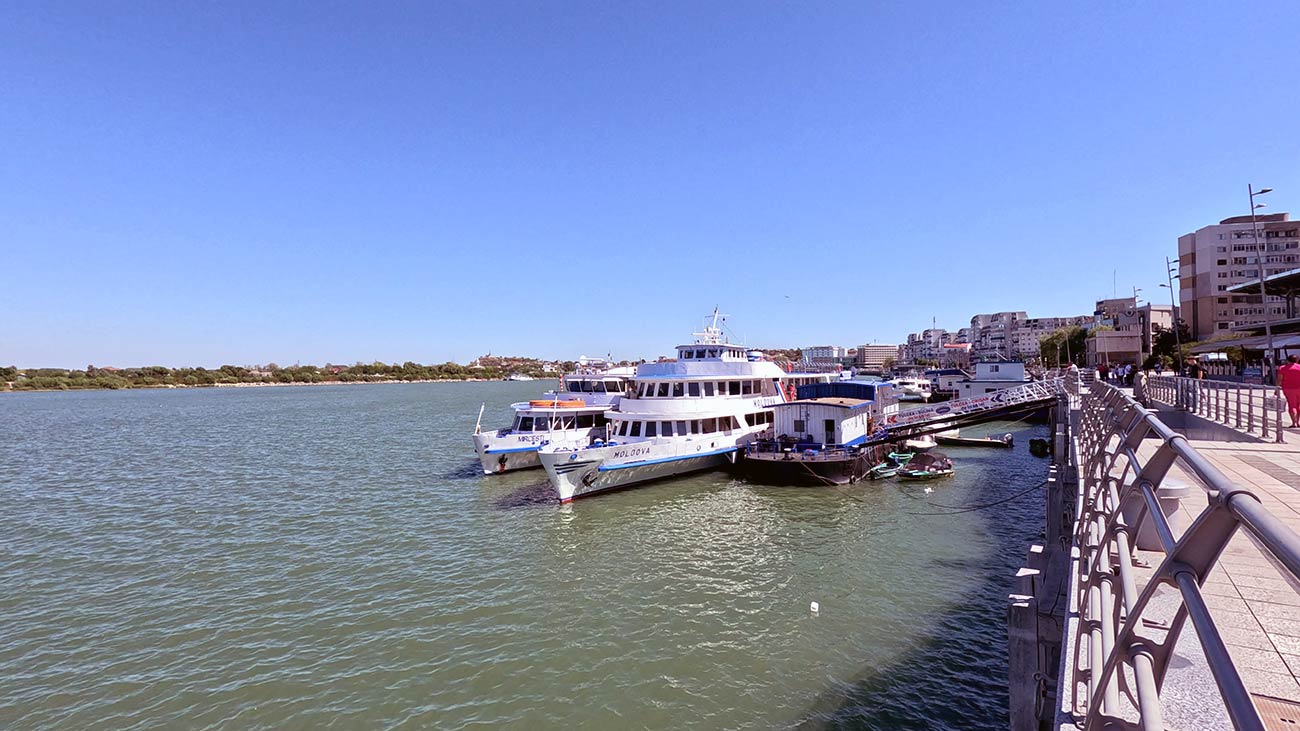
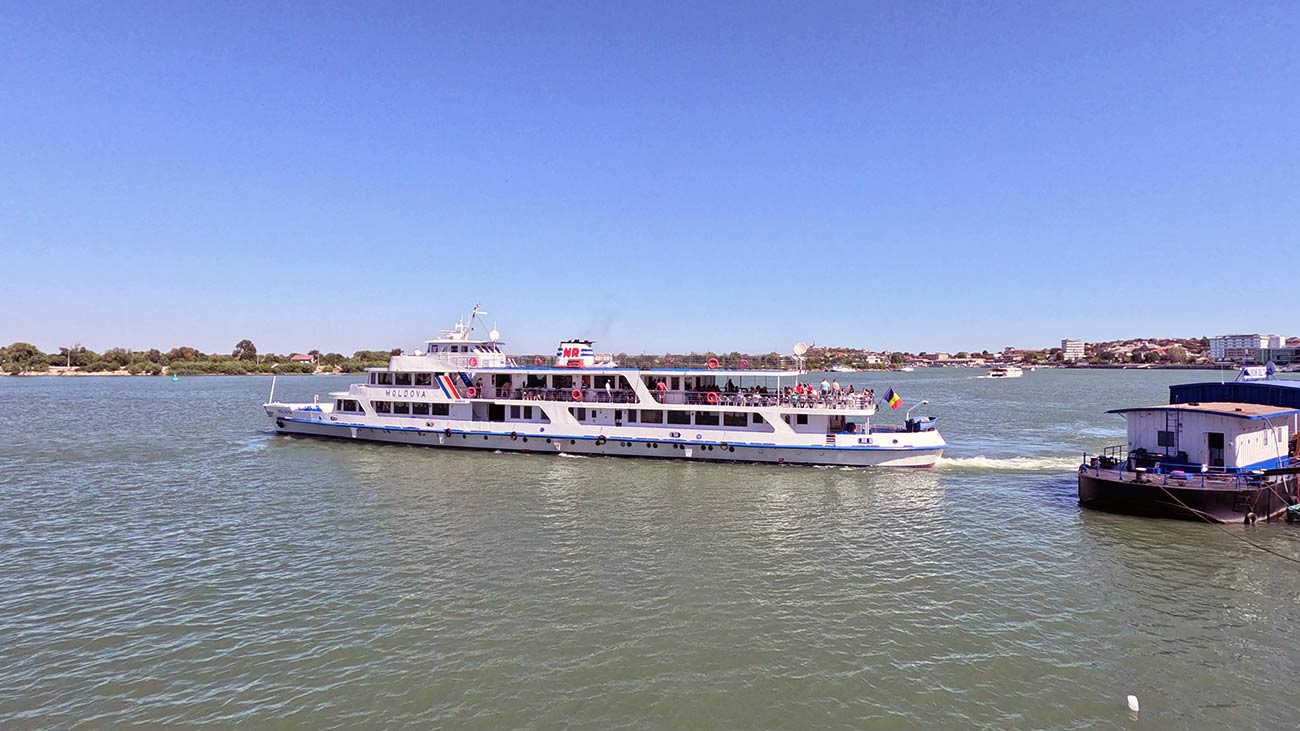
For cyclists exploring the Danube along the EuroVelo 6, the Delta marks both an end point and a beginning of an entirely different kind of travel. Tulcea, sitting at the western edge of the Delta where the river first splits into its three channels, is the natural starting point for any visit. From here, the Navrom ferry company runs the main scheduled boat services that locals and visitors alike depend on to reach the villages and channels of the Delta, and bicycles are welcome on board. Riding into Tulcea by bike and continuing onward by water is, in many ways, the most fitting way to finish a Danube journey: the bike gets you to the edge of the Delta, and the boat carries you into a world the bike can no longer reach.
Three Channels, a Thousand Villages, and Europe’s Richest Wetland
From Tulcea, the Danube divides into its three historic distributaries, each one shaping a different kind of landscape and a different kind of journey. The Chilia branch, in the north, is the longest, youngest, and most untouched of the three, forming the border with Ukraine and still actively building new land at its mouth through a series of secondary deltas. The Sulina branch, running through the centre, is the shortest and most heavily engineered: corrected and straightened since 1862 to allow large-vessel navigation, it was shortened from 92 to 64 kilometres and now carries the main shipping traffic, ending at the town of Sulina, the only settlement with genuinely urban characteristics anywhere in the Romanian Delta, home to a nineteenth-century lighthouse, an old maritime cemetery, and a long history as a cosmopolitan trading port. The Sfântu Gheorghe branch, in the south, is the oldest and most sparsely populated of the three, winding for around 70 kilometres through the Bestepe Hills nature reserve before reaching the small, centuries-old fishing village of the same name, famous for its traditional sturgeon soup and one of the longest unspoiled beaches on the entire Romanian Black Sea coast.
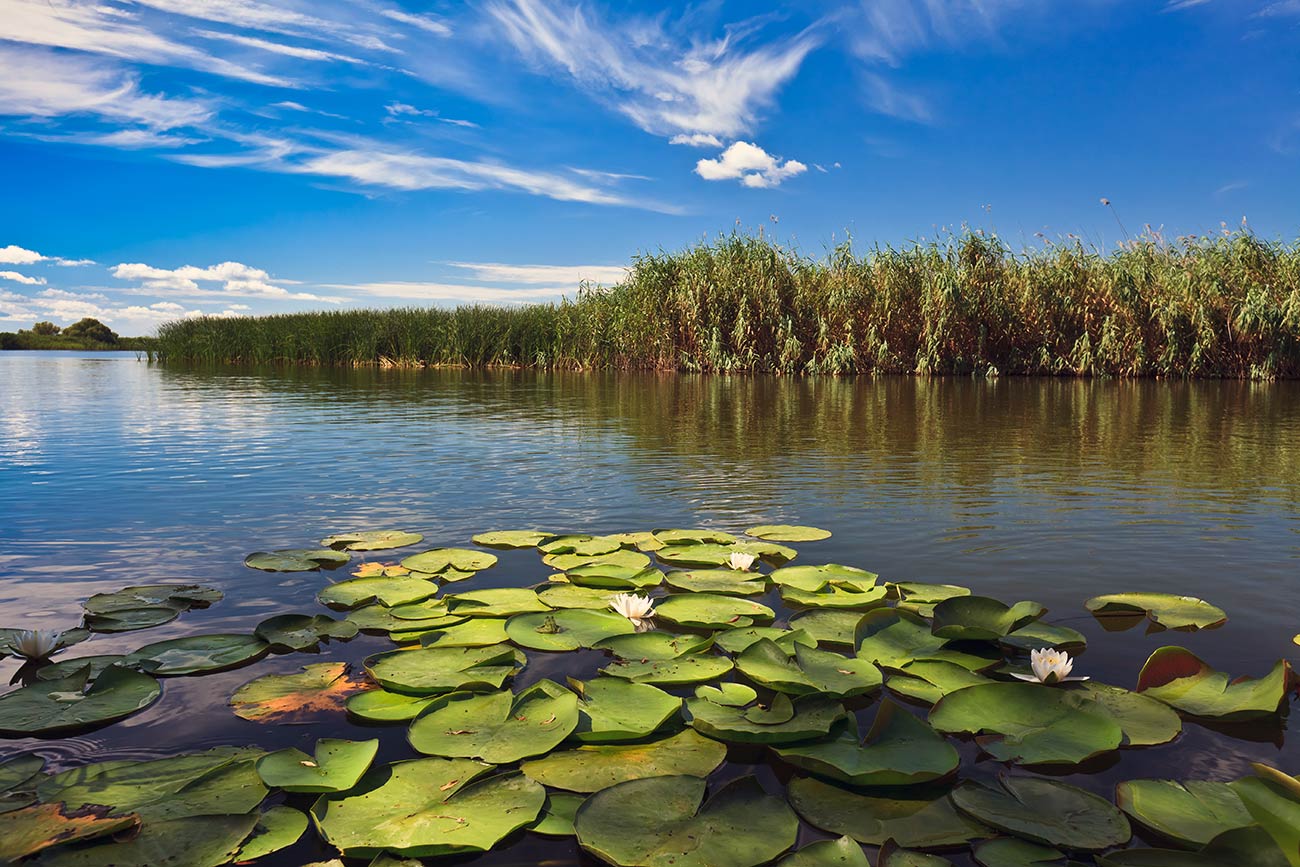
Beyond the three main channels, the Delta opens into a genuinely labyrinthine network of smaller canals, lakes, and floating reed islands known locally as plaur, accessible only by smaller boats, canoes, or kayaks. Villages such as Crișan, Mila 23 (named for its distance, in miles, along the old Sulina channel), Caraorman, Murighiol, and Chilia Veche each offer a different angle on Delta life, from traditional fishing communities to the gateway village of Murighiol, home to the headquarters of the Danube Delta Biosphere Reserve Authority and the nearby ruins of the Roman fortress of Halmyris. The Letea Forest, in the Delta’s north-east, is one of the strangest landscapes in the whole reserve: a forest growing directly on shifting sand dunes, home to wild horses and one of the oldest protected areas in Romania, accessible only with a licensed guide. Wildlife-watching across the Delta ranges from boat-based birdwatching among pelicans, egrets, and cormorants to fishing for carp, catfish, and the prized wild sturgeon that gives the region’s beluga caviar its reputation as among the finest in the world.
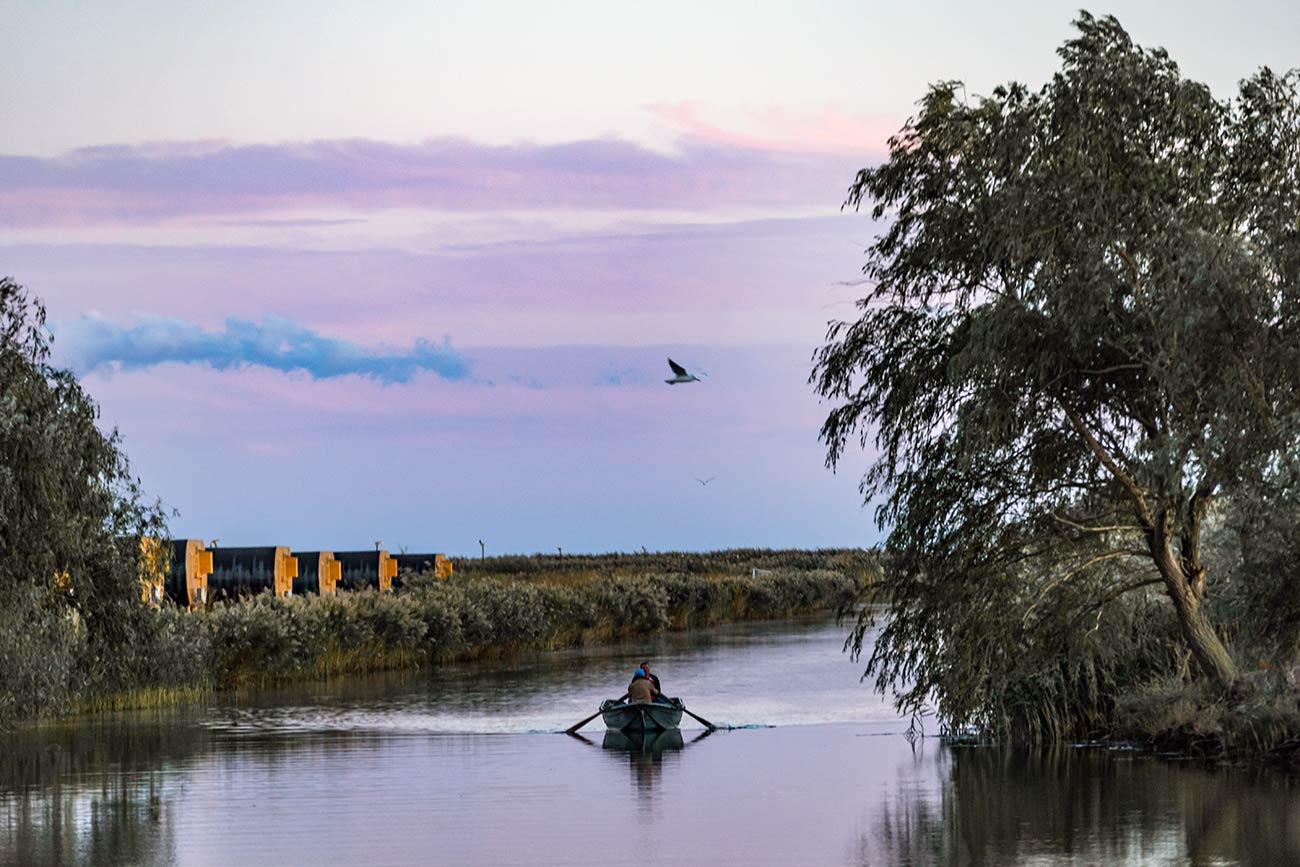
Because the Delta is a protected biosphere reserve, a visitor’s permit is required to enter, usually arranged automatically through a guided tour or accommodation provider, or purchasable independently from the Biosphere Reserve Authority in Tulcea. Travel within the Delta itself happens almost entirely by water: scheduled Navrom ferries cover the main routes from Tulcea to Periprava, Sulina, and Sfântu Gheorghe, with further connections from Crișan to Caraorman and Mila 23, while smaller private speedboat operators offer faster, more frequent shuttles, particularly on the busy Tulcea-Sulina run. For travellers who want to combine cycling with their Delta visit, the unpaved roads on the Chilia branch, particularly the stretch from Tudor Vladimirescu through Pardina to Chilia Veche, offer one of the few sections of the Delta that can genuinely be ridden, before the absence of any further road network forces a return to the water.
 Useful Links
Mobility for Cyclists
The connection
The Danube Delta has no road network connecting its villages to the outside world, which makes water transport the only way to explore beyond its western gateway. Tulcea, sitting at the point where the Danube first splits into its three main channels, is the natural starting point for any visit to the Delta. From Tulcea, the Navrom company operates the main scheduled boat services into the Delta, with regular departures along the three principal routes to Periprava, Sulina, and Sfântu Gheorghe, plus further connections from Crișan to Caraorman and Mila 23. Bicycles are welcome on board the Navrom ferries, making it straightforward for cyclists arriving in Tulcea to continue their journey by boat rather than ending it at the water’s edge. Faster private speedboats also operate on the busiest routes, particularly between Tulcea and Sulina, for travellers who prefer a quicker crossing, though space for bicycles on these smaller vessels should be confirmed with the operator in advance.
Romanian Trains
The rail network in Romania is operated mainly by CFR Călători (Căile Ferate Române), the national passenger rail company, which runs the large majority of routes across the country on what is, by track length, the fourth-largest railway network in Europe. Alongside CFR, several smaller private operators run on selected routes, including Regio Călători, InterRegional Călători, Transferoviar Călători, Softrans, and Astra Trans Carpatic, each covering a limited set of lines; in places CFR doesn’t reach, one of these operators usually fills the gap. Trains come in three main categories: Regio (R), the slowest, stopping at every station; InterRegio (IR), faster medium- and long-distance services with both first and second class, free wifi, and on longer routes sleeping cars and dining cars; and InterCity (IC), the fastest and most comfortable category, reintroduced in December 2023. Private operators often don’t have ticket offices at smaller stations, so tickets can usually be bought directly on board the train without penalty. The CFR Călători website and app, along with the independent Infofer journey planner, are the most useful tools for checking timetables across all operators and purchasing tickets in advance.
Taking your bike
Romania is moderately bike-friendly when it comes to rail transport, though the rules vary by operator and are worth checking before each journey. On CFR Călători trains, non-folding bicycles can only be carried on Regio, InterRegio, and InterCity services that are specifically marked with a bicycle icon in the online timetable, where a bicycle ticket must be purchased at the ticket office or on board, priced according to distance. Folding bicycles, by contrast, are carried free of charge as hand luggage on any CFR train, in first or second class, provided they fit within the space available for hand luggage and don’t inconvenience other passengers; bicycles with one or both wheels removed do not count as folding bikes and are instead charged as bulky luggage. Among the private operators, rules and fees differ: Regio Călători, InterRegional Călători, Transferoviar Călători, and Softrans each charge a small separate bicycle fee, while Astra Trans Carpatic does not allow bicycle transport on its trains at all. Given this patchwork of policies, the most reliable approach for cycle touring in Romania is to check the bicycle icon on the specific train in the CFR or Infofer timetable in advance, or to travel with a genuinely foldable bike, which sidesteps the issue entirely.
Bikes on Buses
Long-distance bus services in Romania are extensive and, for many domestic routes, faster and more comfortable than the equivalent train journey, particularly since FlixBus expanded into the Romanian domestic market and now connects more than 50 cities across the country, alongside its existing international routes. Outside the larger FlixBus coaches, much of Romania’s internal bus network runs through smaller regional operators using minibuses and shuttle vans, which can be considerably less comfortable but are frequent, reliable, and inexpensive; tickets for these can typically be checked through aggregator sites such as Autogari.ro. Bicycle transport on Romanian buses is not standardised and depends heavily on the specific operator and vehicle. FlixBus routes operated within Romania have, in practice, proven inconsistent for cyclists, with some drivers accepting only fully folded or bagged bicycles regardless of what is shown on international booking pages, and smaller regional minibus operators rarely have any dedicated luggage space for an assembled bike at all. As a result, buses are best treated by cyclists as a flexible but unreliable backup option in Romania, while a bicycle that is genuinely foldable, or fully disassembled and bagged, travels far more predictably than an assembled touring bike on any bus service in the country.
Exploring the Delta
Once inside the Delta, onward travel between villages continues by the same combination of scheduled Navrom ferries, private boats, and smaller rented vessels, canoes, or kayaks for reaching the narrower channels and lakes. A small number of stretches, particularly along the Chilia branch between Tudor Vladimirescu and Chilia Veche, offer rideable gravel roads for cyclists wanting to combine pedalling with their Delta exploration, though most of the reserve remains accessible only by water. Tulcea itself, with its riverside port, market, and Biosphere Reserve information centre, makes a natural base both before heading into the Delta and on the return leg back toward the wider EuroVelo 6 corridor.