Levski
Reading time: 5 minutes
LEVSKI · Northern Bulgaria
In the Spirit of a National Hero
In the northern part of Bulgaria, the small town of Levski is less a destination in itself and more a quiet waypoint within the regional transport network. Named after Vasil Levski, one of Bulgaria’s most important national heroes and a key figure in the country’s struggle for independence from Ottoman rule, the town carries a symbolic name that reflects a much larger historical legacy.
Levski is a calm, small-scale settlement where daily life moves at a slow and steady rhythm. It is not defined by major landmarks or tourist attractions, but rather by its role as a functional local hub surrounded by rural landscapes and agricultural land typical for this part of northern Bulgaria.
For travellers, Levski is most often experienced as a transit base rather than a sightseeing stop. However, the town itself can still offer a brief pause on the journey, with a chance for a short walk and a couple of relaxed hours before continuing onward through the region.
Visiting Levski
Arriving at Levski by train, the railway station is located close to the main urban axis of the town. From there, a straight boulevard leads directly towards the centre, making orientation simple and the transition from station to town centre very straightforward, even for first-time visitors.
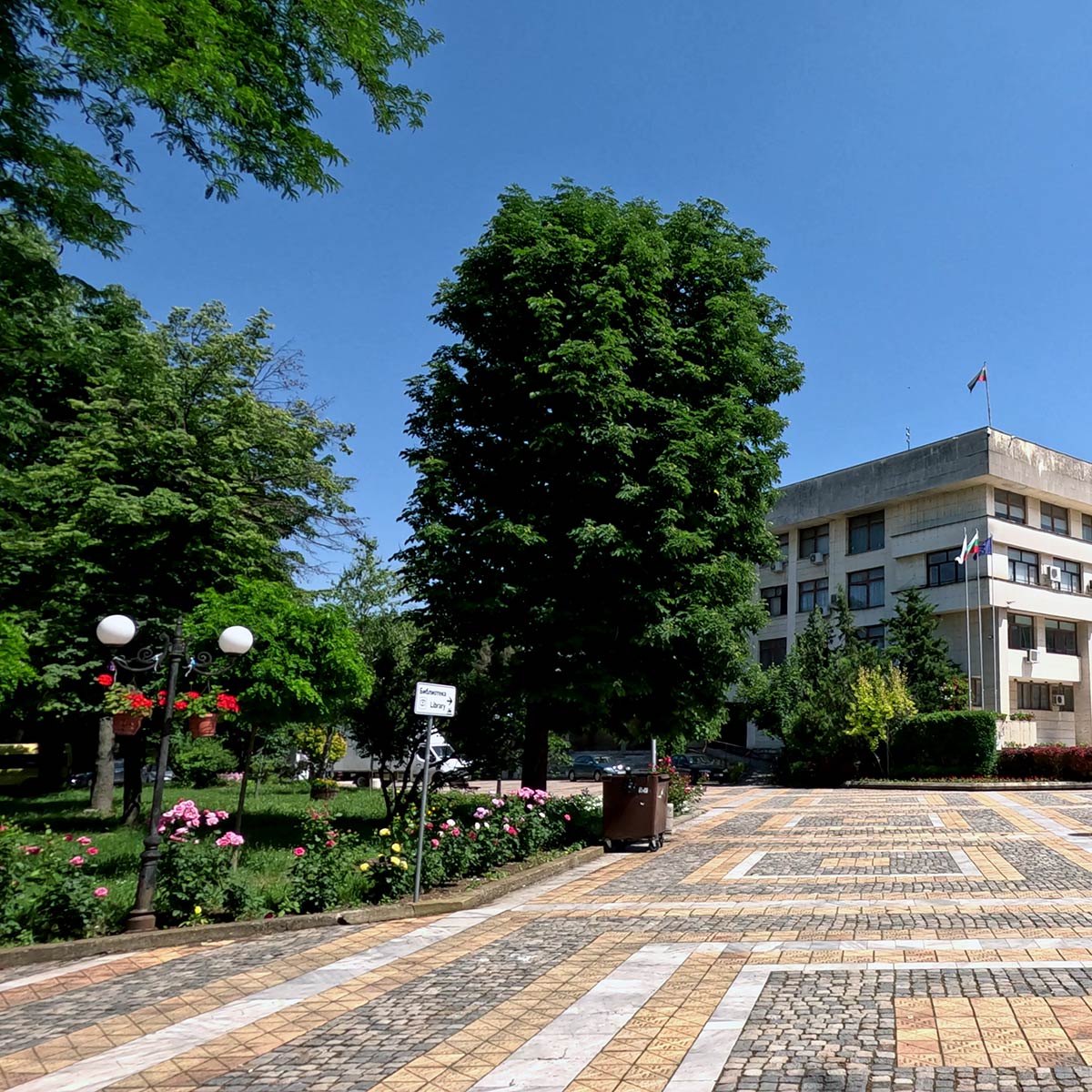
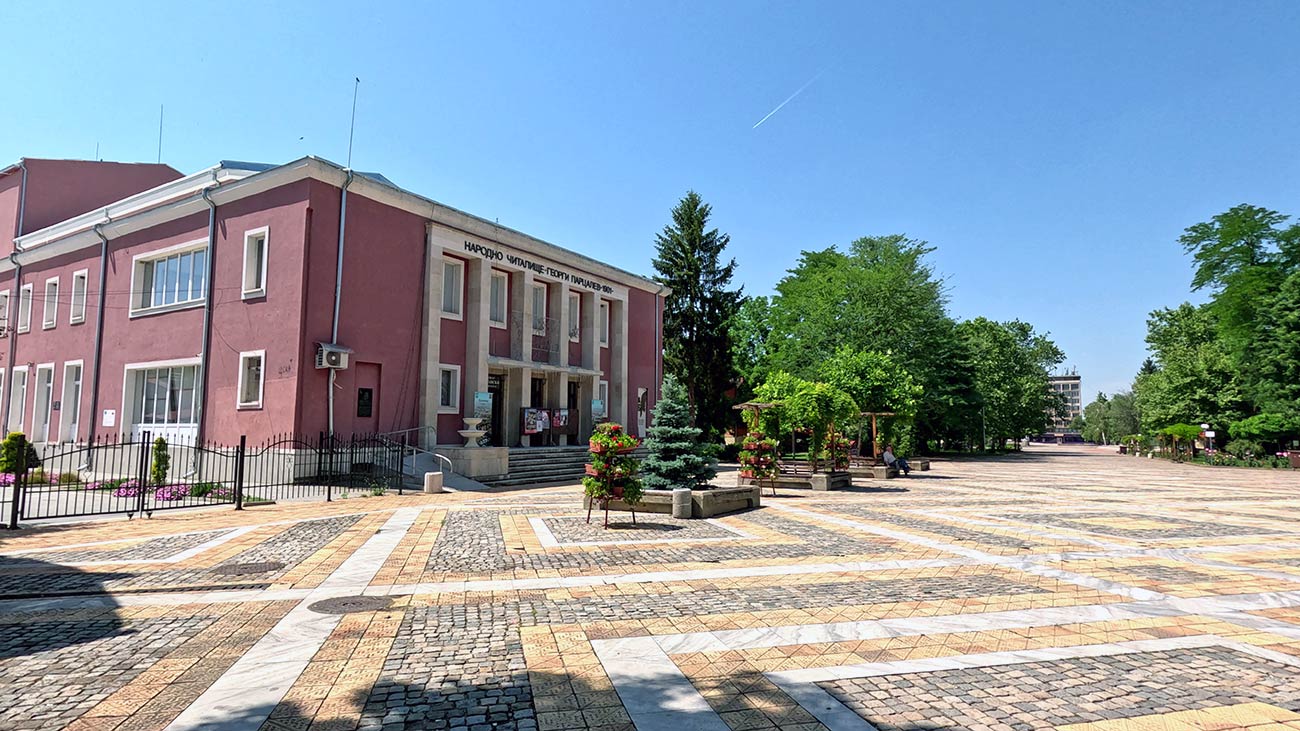
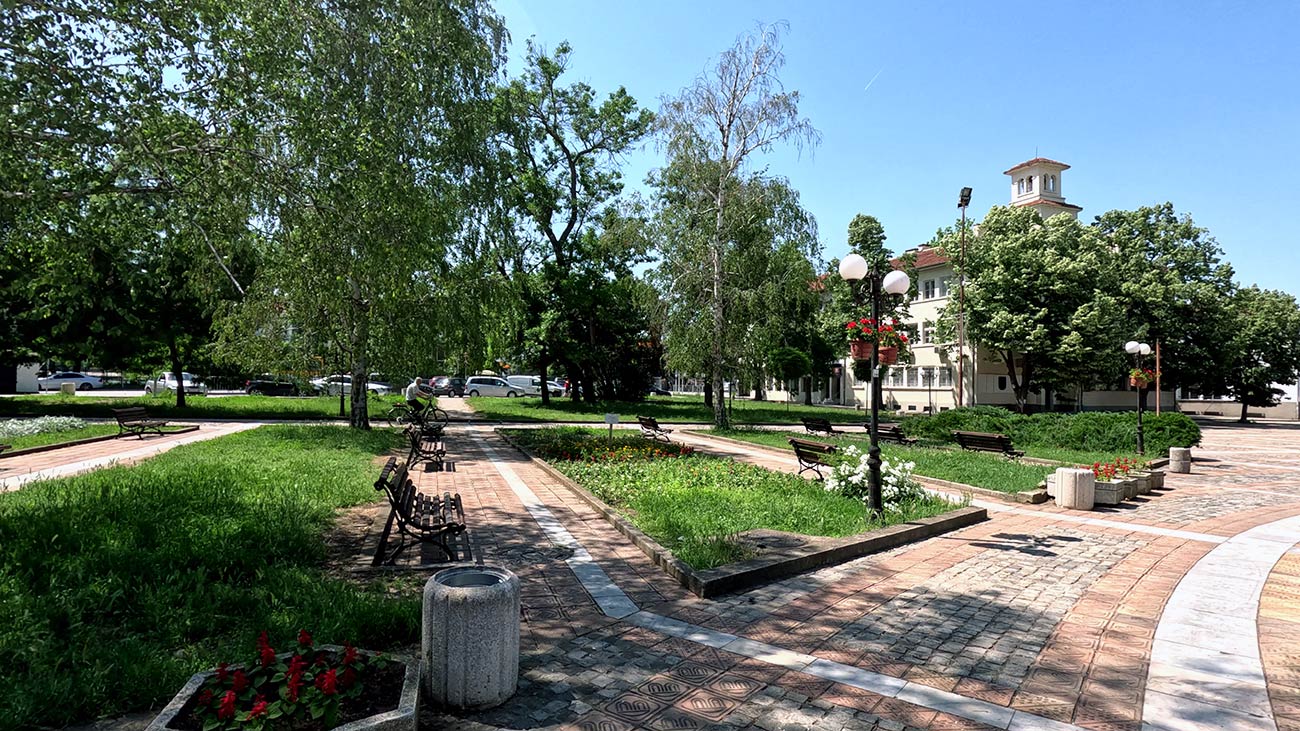
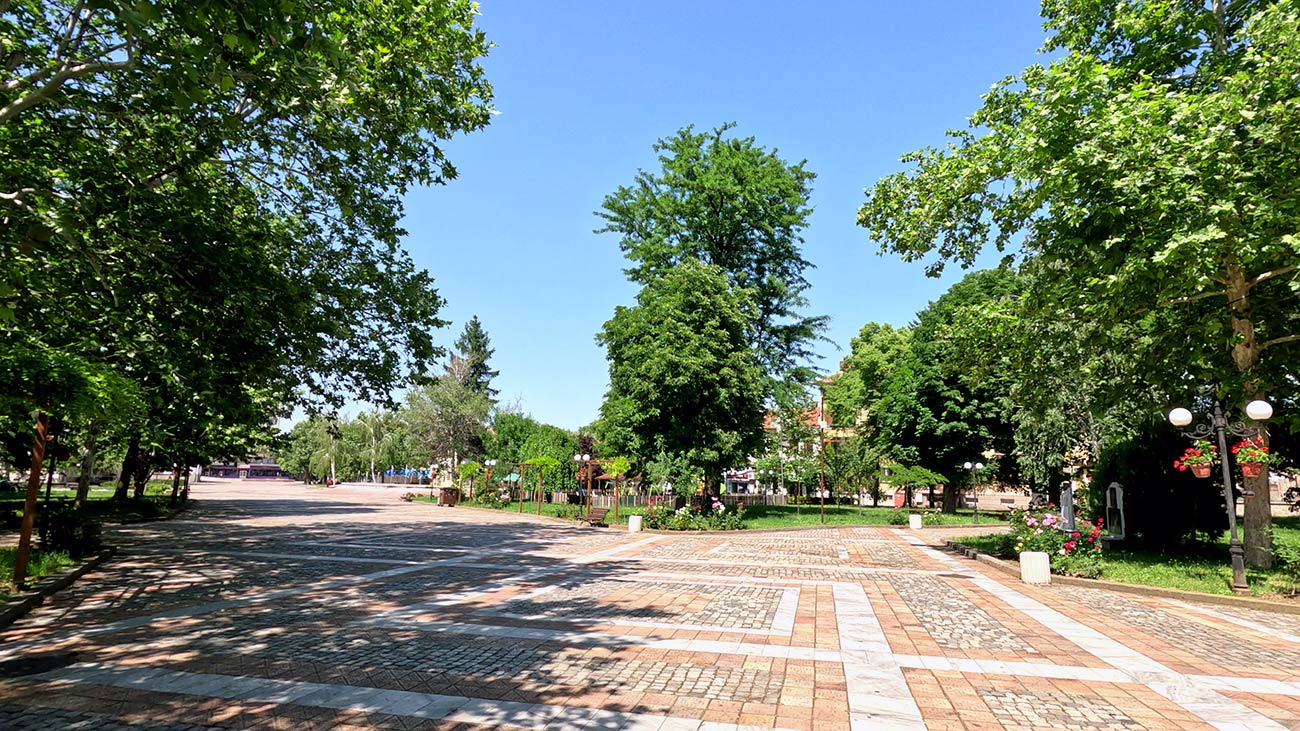
The central area of Levski is arranged as a pedestrian-friendly zone, with limited traffic and a relaxed, small-town atmosphere. It functions as the main social and public space of the town, where local life naturally unfolds throughout the day.
This pedestrian core is characterised by a good amount of greenery, small parks, and tree-lined sections that provide shade and a pleasant walking environment. It creates a calm setting that feels open and unhurried, especially in contrast to the transport-focused role of the railway station.
Along the pedestrian streets and around the central square, there are several small cafés and local restaurants. While the town is modest in size, these spots offer enough variety for a short break, making it a comfortable place to spend a couple of relaxed hours before continuing the journey further into the region.
Mobility for Cyclists
Reaching Levski by train with your bike
If you are riding the EuroVelo 6 along the Danube, this inland detour can be reached comfortably by train with your bike, making it an easy addition to your cycling journey with practical travel connections and useful transport information available below.
The connection
Rail connections to Levski are limited but functional, with several daily regional trains operating from Svishtov. Because departures are not very frequent and timetables can change, it is strongly recommended to check the current schedule in advance before planning the journey.
In practical terms, Levski serves primarily as a transfer point within the wider regional rail network rather than a final destination. It is a place where travellers typically change trains or continue their journey towards other parts of northern Bulgaria.
From here, onward connections open access to several notable destinations in the region, including Lovech, Pleven, and natural attractions such as Devetashka Cave, among others. In this sense, Levski functions as a practical rail gateway for exploring the wider area rather than a standalone stop.
Levski Railway Station
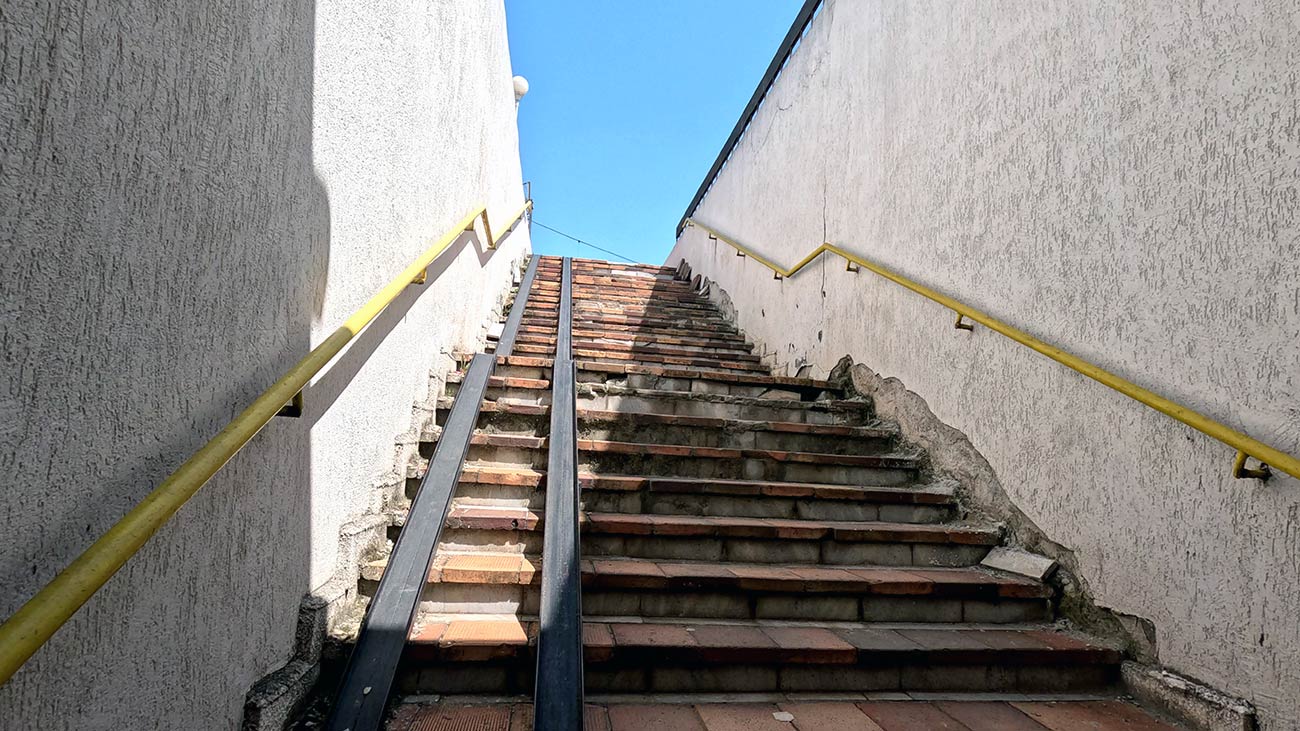
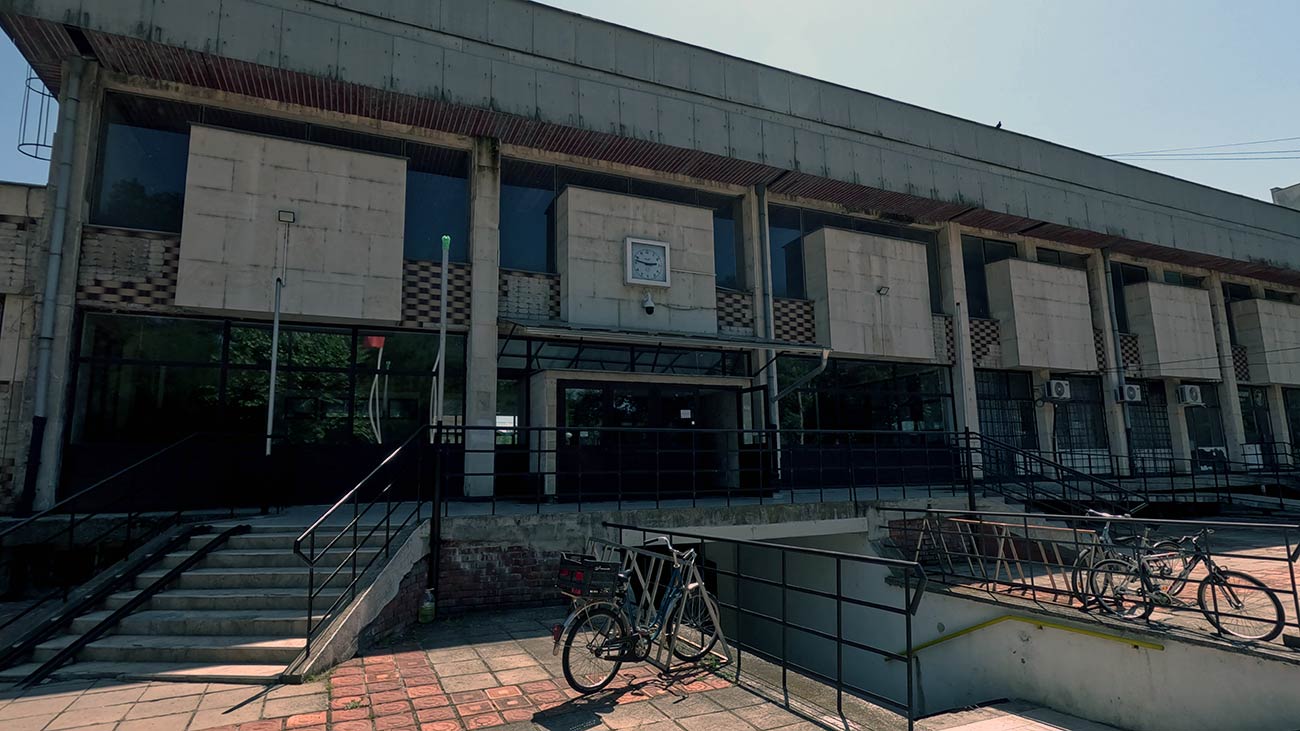
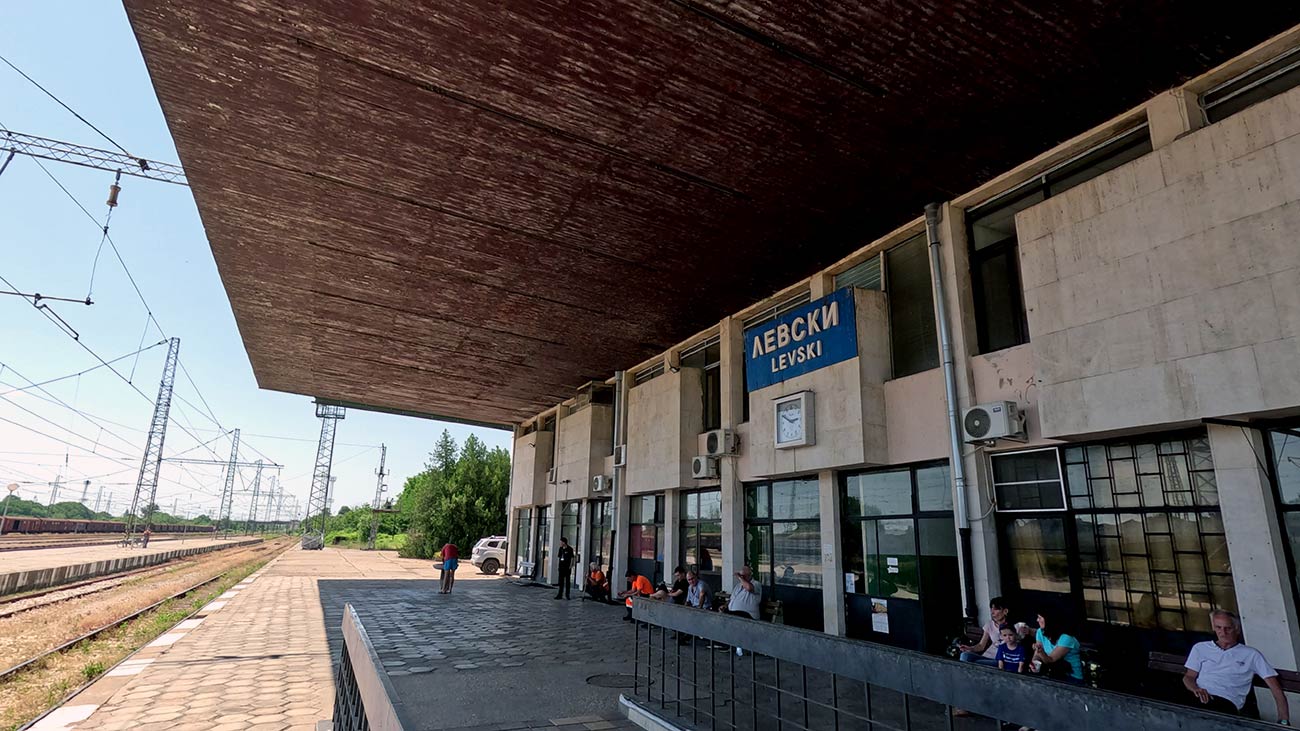
The railway station in Levski is located within a relatively short walking distance from the town centre, making it easily accessible on foot. Given its role as a regional transit hub, the station is of a fairly solid size, with multiple tracks and platforms that handle the daily flow of regional connections passing through the area.
In terms of condition, the station is not particularly modern and shows signs of age and limited maintenance, which is typical for many secondary railway facilities in the region. However, it remains fully functional and generally well-organised, providing a practical and usable environment for travellers despite its somewhat dated appearance.
For cyclists, the station still offers a basic but useful level of infrastructure. Bicycle gutters are available to help with moving bikes across stairs and platform connections, making it easier to navigate between different tracks when transferring. In addition, there are bike racks at the station where bicycles can be left for short periods. A similar informal cycling-friendly setup can also be found in the town itself, where cyclists can usually park their bikes without dedicated facilities, relying on simple racks or improvised solutions near public areas and central streets.