Vinkovci
Reading time: 10 minutes
VINKOVCI, VUKOVAR-SRIJEM COUNTY, CROATIA
Europe's Oldest Town on the River Bosut
In the flat farmland of eastern Slavonia, where the slow waters of the river Bosut wind through fields of wheat and sunflowers not far from the Danube, lies a town that locals describe, with a certain quiet pride, as the cradle of European civilisation. Vinkovci has been continuously inhabited for around eight thousand years, a claim supported by archaeological finds going back to the Neolithic period, and the town carries this extraordinary depth of history lightly, woven into a compact Baroque centre of pastel facades, café-lined promenades, and a slow riverside walk along the Bosut.
The Roman era left the town its administrative weight, as Cibalae, birthplace of two Roman emperors, but the streets visitors walk today date mostly from the eighteenth century onward, when Vinkovci grew into a market town of the Slavonian Military Frontier. The town's identity is bound up closely with two of its writers, the brothers Ivan and Josip Kozarac, whose stories of Šokci village life, peasant loves, and a famous but doomed romance between two young relatives have become part of local folklore, commemorated every September in the long-running Vinkovci Autumns (Vinkovačke jeseni) festival, one of the oldest and most important folklore festivals in Croatia.
For cyclists exploring the Danube along the EuroVelo 6, Vinkovci is a short and worthwhile detour from the Croatian stretch of the route. The town lies around 20 kilometres south-west of Vukovar, the natural EuroVelo 6 gateway on this part of the Danube, reached by a direct train in around 20 minutes or a slightly longer bus connection. A half day or full day spent moving between the Baroque promenade, the riverside walk, and the literary monuments of the old town gives a quiet, unhurried glimpse into a part of Croatia that few international travellers reach.
A Promenade, a Church, and a Riverside Walk Through Eight Thousand Years of History
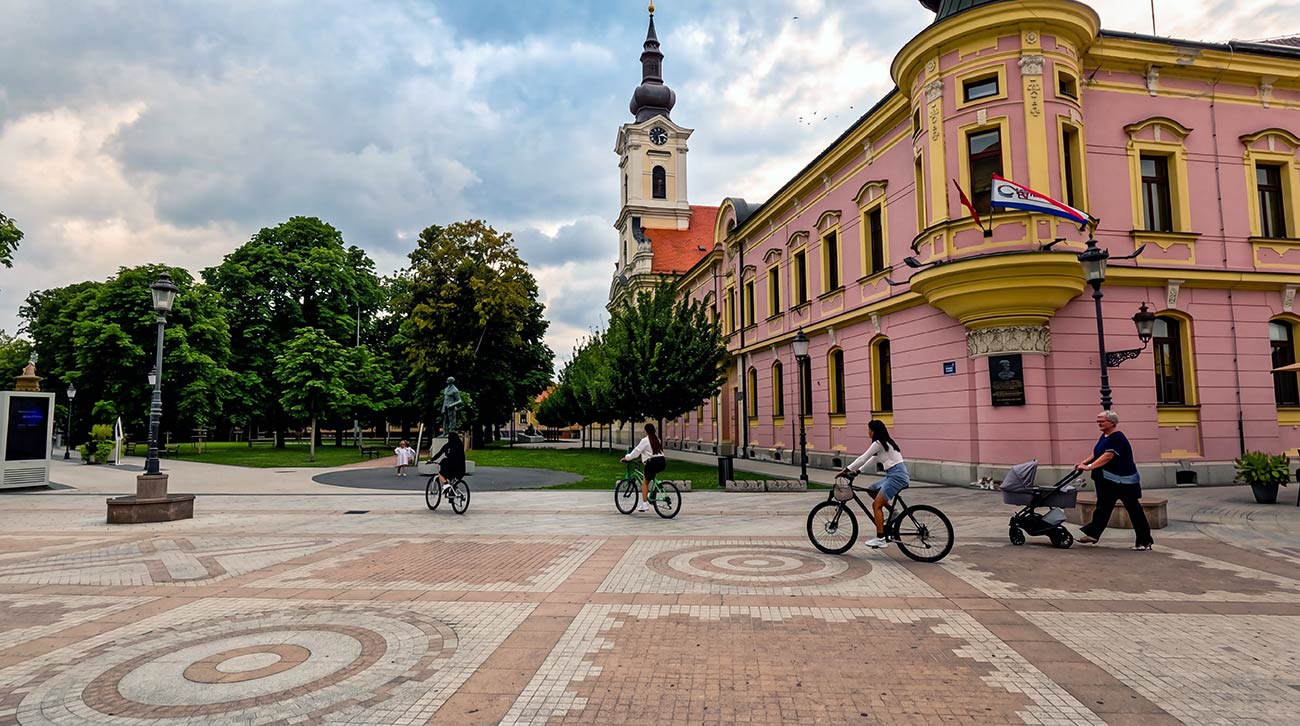
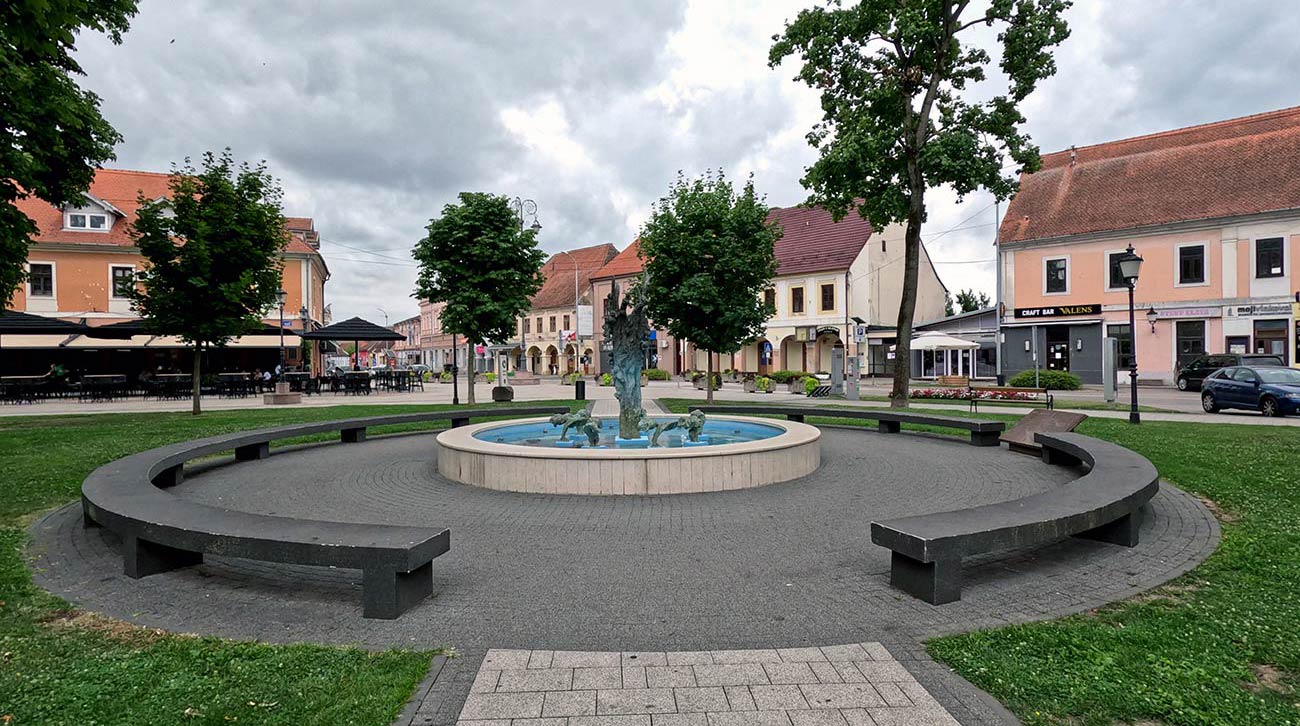
The natural starting point for any visit is the Korzo, the most famous promenade in Vinkovci and the social heart of the town, lined with cafés in eighteenth-century Baroque buildings. Among the most striking is the former Georgević house, now home to the tourist information centre, while the Town Museum (Gradski muzej Vinkovci), widely considered the most beautiful Baroque monument in town, holds within its collection one of the more unexpected treasures of Vinkovci's deep past: a fragment bearing the Orion calendar, an ancient Indo-European depiction of the night sky in all four seasons, dating to around 2600 BC, found on a ceramic vessel unearthed locally. Enlarged, contemporary versions of these prehistoric symbols have been set directly into the paving of the Korzo itself, so that walking the promenade today means literally treading on a calendar devised some forty-six centuries ago.
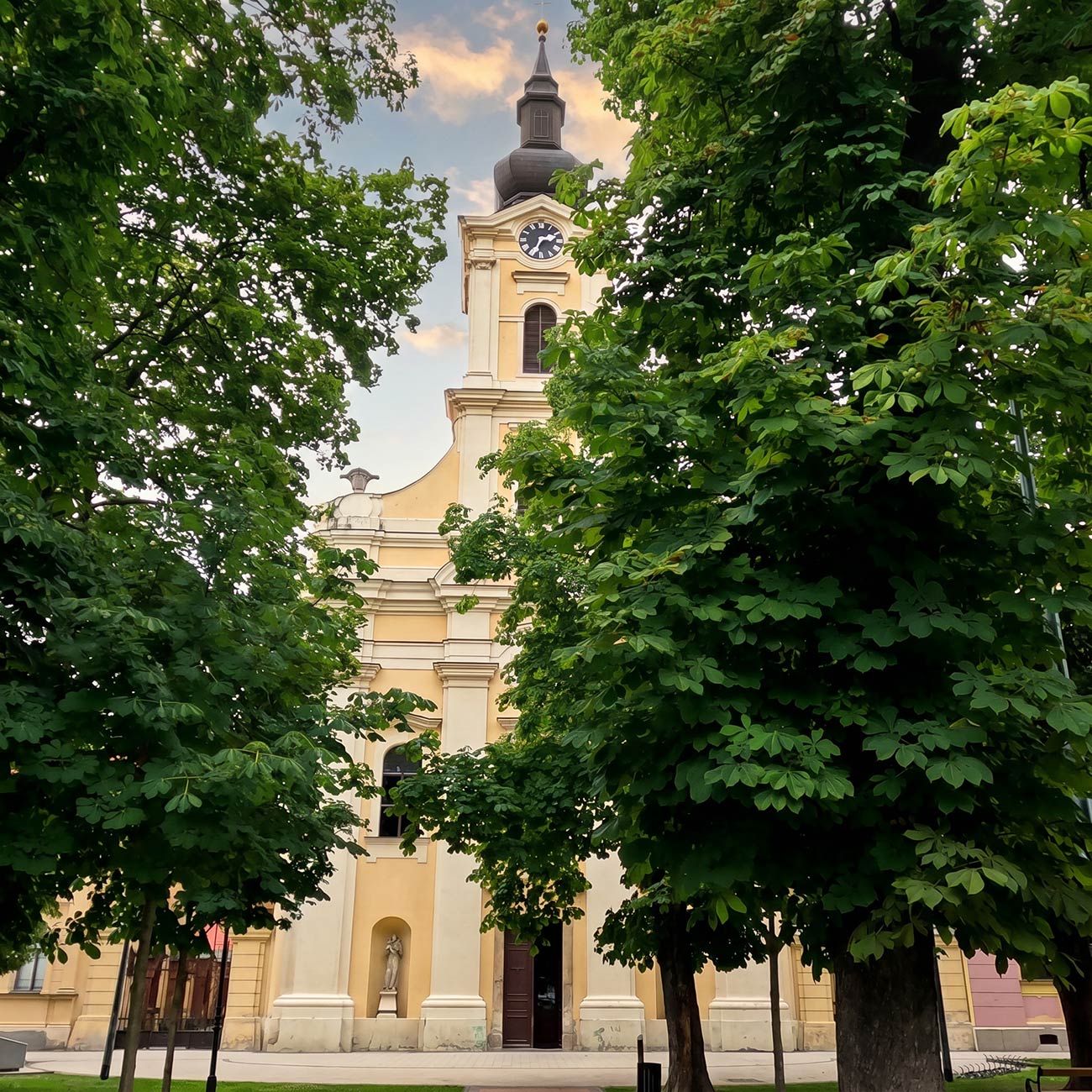
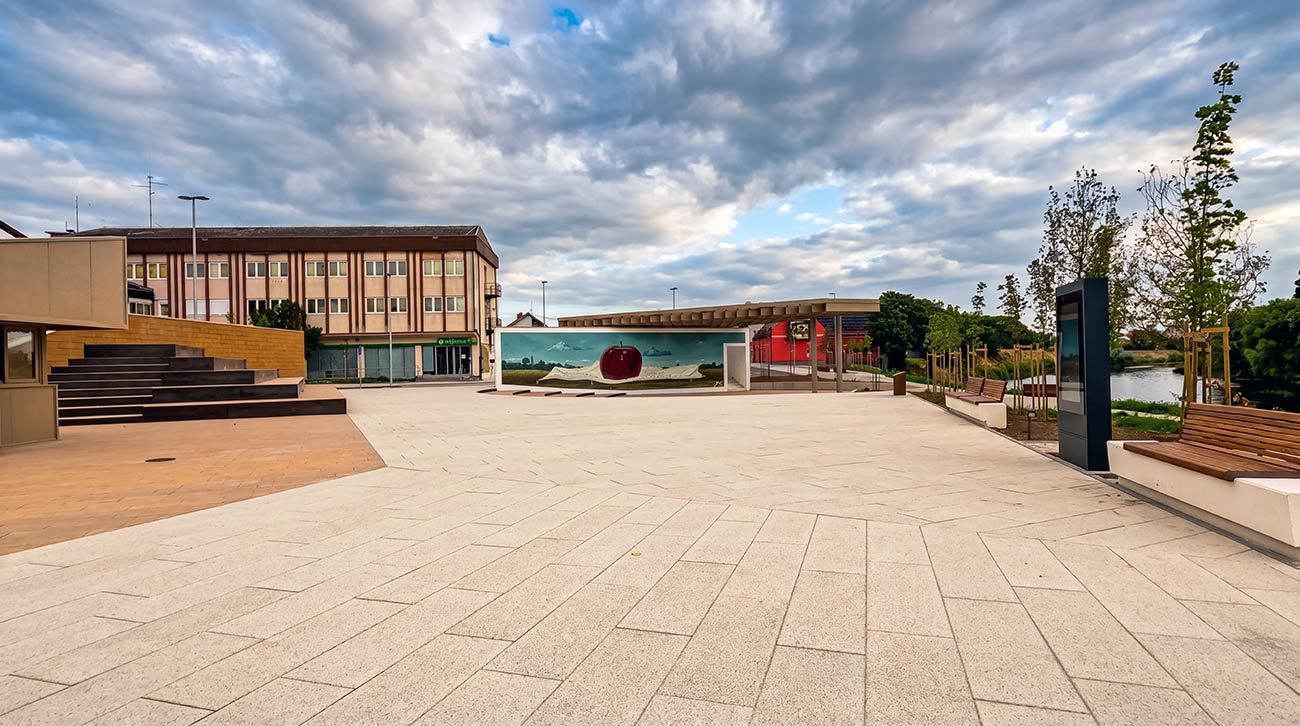
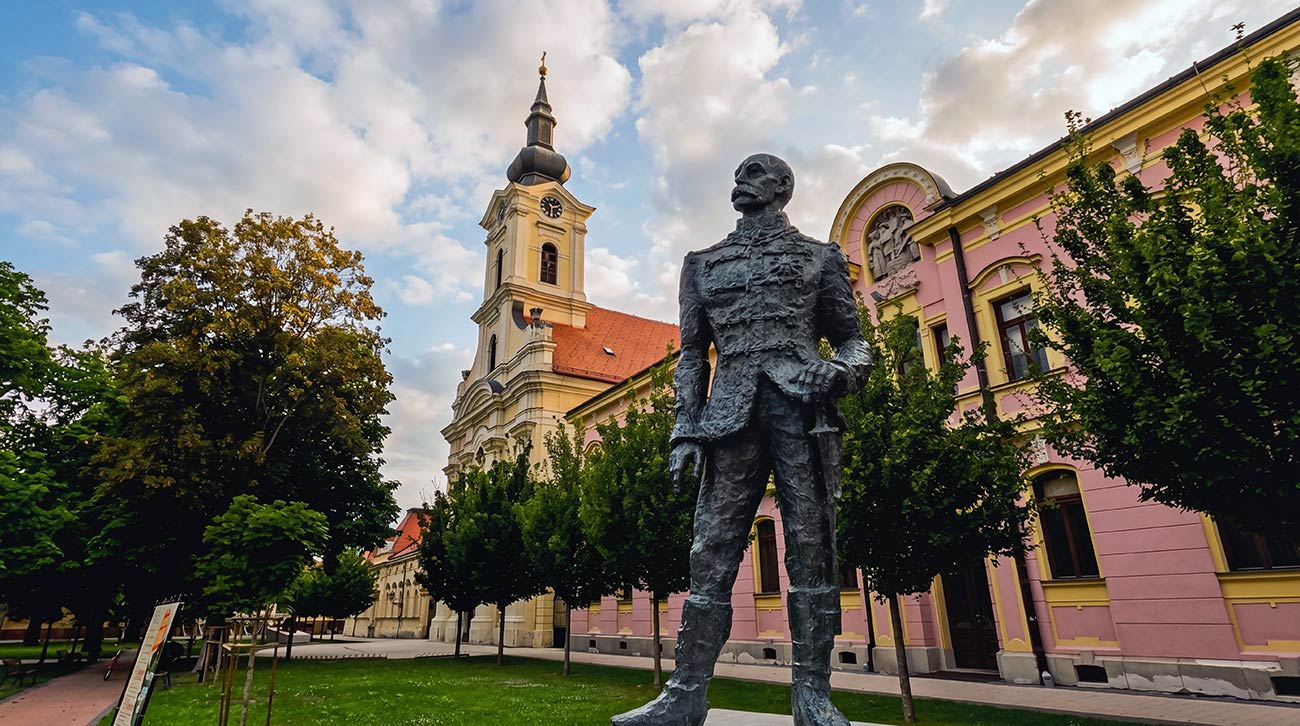
A short walk from the Korzo, Vinkovci Autumns Square (Trg Vinkovačkih jeseni) is the civic stage for the town's best-known cultural event, the Vinkovci Autumns festival, held every September since 1966 and celebrated as one of the most important folklore, ethnographic, and tourist events in Croatia, drawing folk groups, traditional costume, and Slavonian music and cuisine from across the region. Close by stands the Church of St. Eusebius and Polion (Crkva sv. Euzebija i Poliona), the oldest church in Vinkovci, built between 1772 and 1777. The church bears the scars of recent history with quiet dignity: during the Croatian War of Independence, on 20 November 1991, shelling during the Battle of Vukovar set the spire alight and destroyed its bells, an image that became one of the defining symbols of that conflict. A careful restoration between 1994 and 1998, with the spire completed in 1999, returned the church to active use, and it remains the parish church of Vinkovci today.
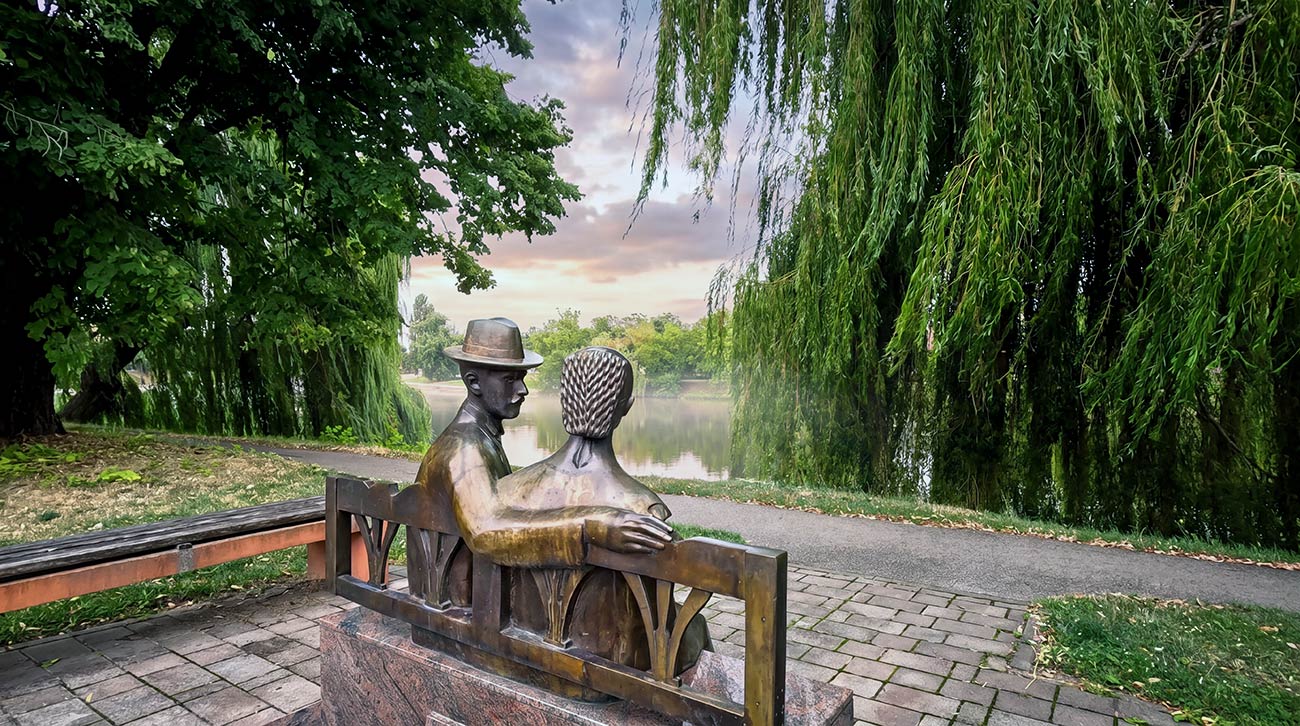
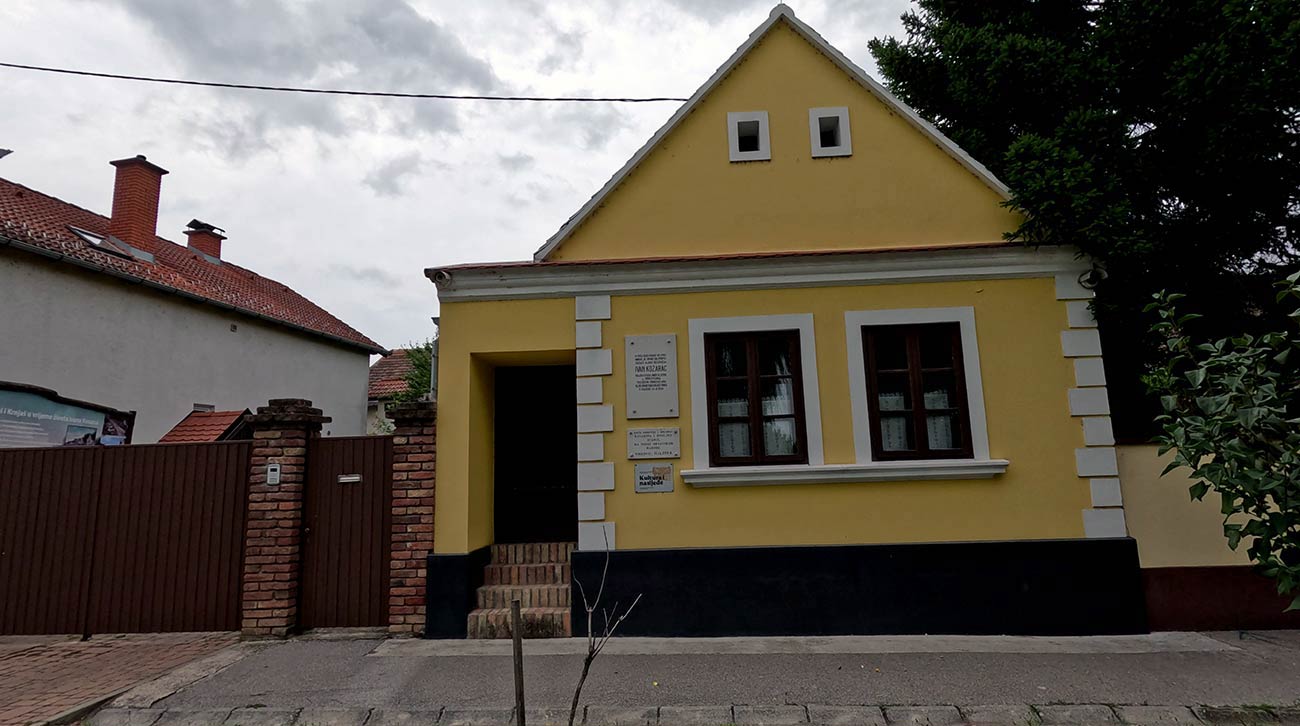
The most atmospheric corner of town lies along the river Bosut, where a long promenade follows the water from the centre out toward the old neighbourhood of Krnjaš, a traditional Šokci street that feels almost untouched by the passage of time. It is here, beside the river, that Vinkovci keeps the memory of its best-loved literary son. The Ivan Kozarac birth house (Rodna kuća Ivana Kozarca), a faithful reconstruction of the modest home where the writer was born in 1885, stands close to the riverbank, and beside it rises the monument to Ivan and Marija Kozarac, commemorating the writer's unrequited, purely platonic love for his cousin Marija, a story so often retold locally that the pair have become known as the Šokci Romeo and Juliet. Kozarac, who died of tuberculosis at just twenty-five, left behind the novel Đuka Begović, a vivid, near-documentary portrait of Slavonian village life that remains a classic of Croatian literature, and the riverside walk past his birth house and monument is, for many visitors, the most memorable hour spent in Vinkovci.
 Useful Links
Mobility for Cyclists
The connection
The most practical connection from the EuroVelo 6 corridor is from Vukovar, where HŽPP regional trains run directly to Vinkovci in around 20 to 21 minutes, with several departures throughout the day. A direct bus, operated by Polet Vinkovci and other regional carriers, covers the same route in around 20 to 30 minutes, with more frequent departures than the train, including up to nine services a day. Cyclists riding the Croatian stretch of the EuroVelo 6 will find Vukovar the natural transfer point. As a regional transport hub, Vinkovci is also well connected onward to Osijek, and the visit can be combined naturally with a longer stay exploring both towns, or with Vukovar itself, given its proximity and shared history along this stretch of the Danube.
Croatian Trains
The rail network in Croatia is operated mainly by HŽPP (HŽ Putnički prijevoz, Croatian Railways Passenger Transport), the state-owned passenger operator that runs both regional and InterCity services across the country. Regional trains (putnički vlak) serve smaller towns with frequent stops, while a smaller number of InterCity services connect the main cities with fewer stops and faster journey times; seat reservation is compulsory on some InterCity routes, including the Zagreb-Osijek line. Croatia's rail network is considerably less developed than its road network, and trains generally take longer than buses for the same journey, which makes rail the more practical option mainly for shorter regional hops rather than long-distance travel. The Danube region in Croatia, including the Slavonia and Srijem areas near Vukovar and Vinkovci, is served by regional lines connecting the smaller towns of the area to the main Zagreb-Osijek-Vinkovci corridor. The HŽPP app and website (hzpp.hr) are the central tools for planning journeys, checking timetables, and purchasing tickets.
Taking your bike
Croatia is moderately bike-friendly when it comes to rail transport. On Croatian trains, bicycles can generally be carried as luggage on all services, provided they are disassembled and packaged so they fit within the passenger compartment or a designated luggage area; newer regional and InterCity trains increasingly offer dedicated bicycle storage areas with space for up to ten bikes, while older rolling stock may not. The bicycle transport fee on domestic routes is around 2 euros regardless of distance, and around 5 euros on international and cross-border services, where a separate bicycle ticket and, on some routes, a bicycle seat reservation are required. Because not every train has a designated bicycle area, it is advisable to check directly with HŽPP before travelling with an assembled bike, particularly during the busy summer season. Folding or fully disassembled and bagged bicycles travel more reliably as ordinary luggage on any service. Overall, Croatian rail can be used for short cycle-touring detours, but buses remain the more flexible and frequent option for most domestic journeys.
Bikes on Buses
Long-distance bus services in Croatia are the dominant mode of intercity travel, generally faster and more frequent than the equivalent train journey. The network is operated by a large number of regional and national carriers, including FlixBus, Autotrans, and a range of smaller local operators such as Polet Vinkovci, which serves many of the shorter routes within Slavonia and Srijem. Bicycle transport on Croatian buses is possible but not standardised across operators: FlixBus and several other carriers will carry bicycles in the luggage compartment when space allows, generally for a small additional fee, but capacity is limited and advance booking or confirmation with the operator is recommended. Most regional and local bus operators do not guarantee bicycle space and should be contacted directly before travelling with an assembled bike. As a result, buses are best used by cyclists as a secondary option for longer-distance repositioning between towns, particularly where rail connections are slow or infrequent, while advance planning remains essential for anyone travelling with a bicycle.
Arriving at Vinkovci Station
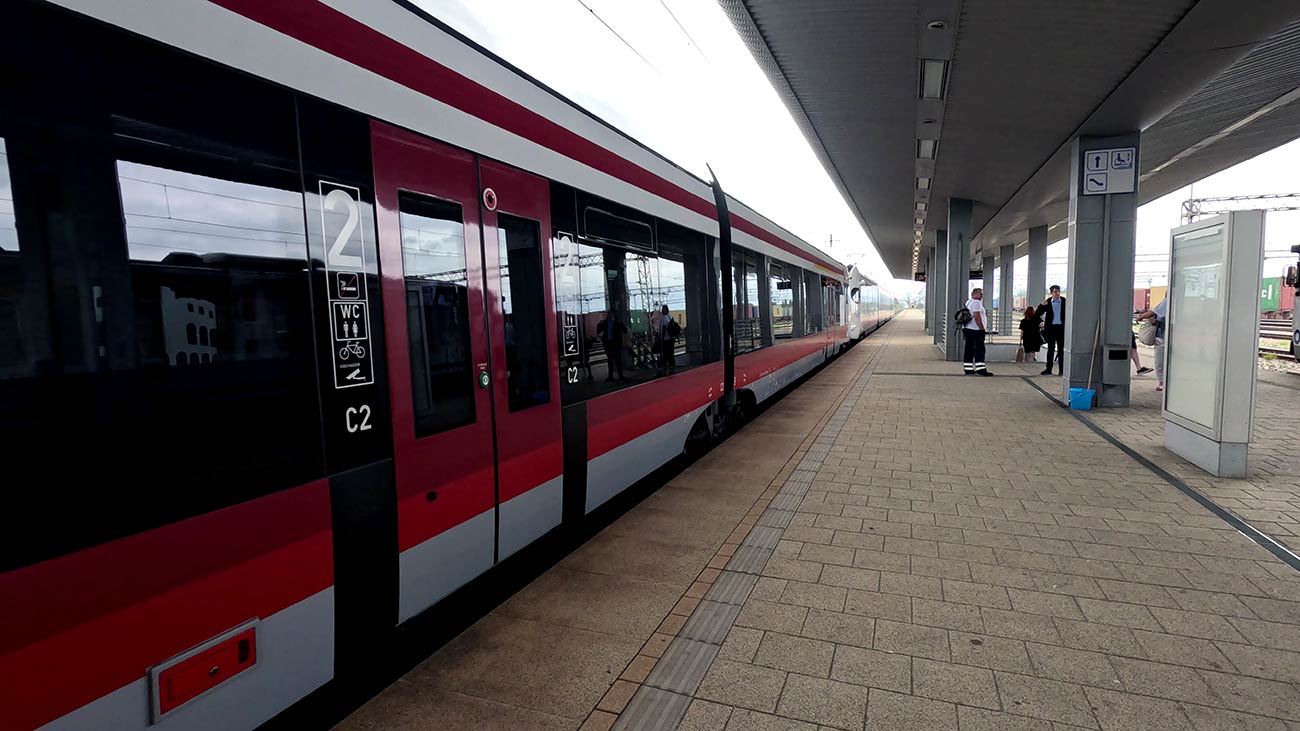
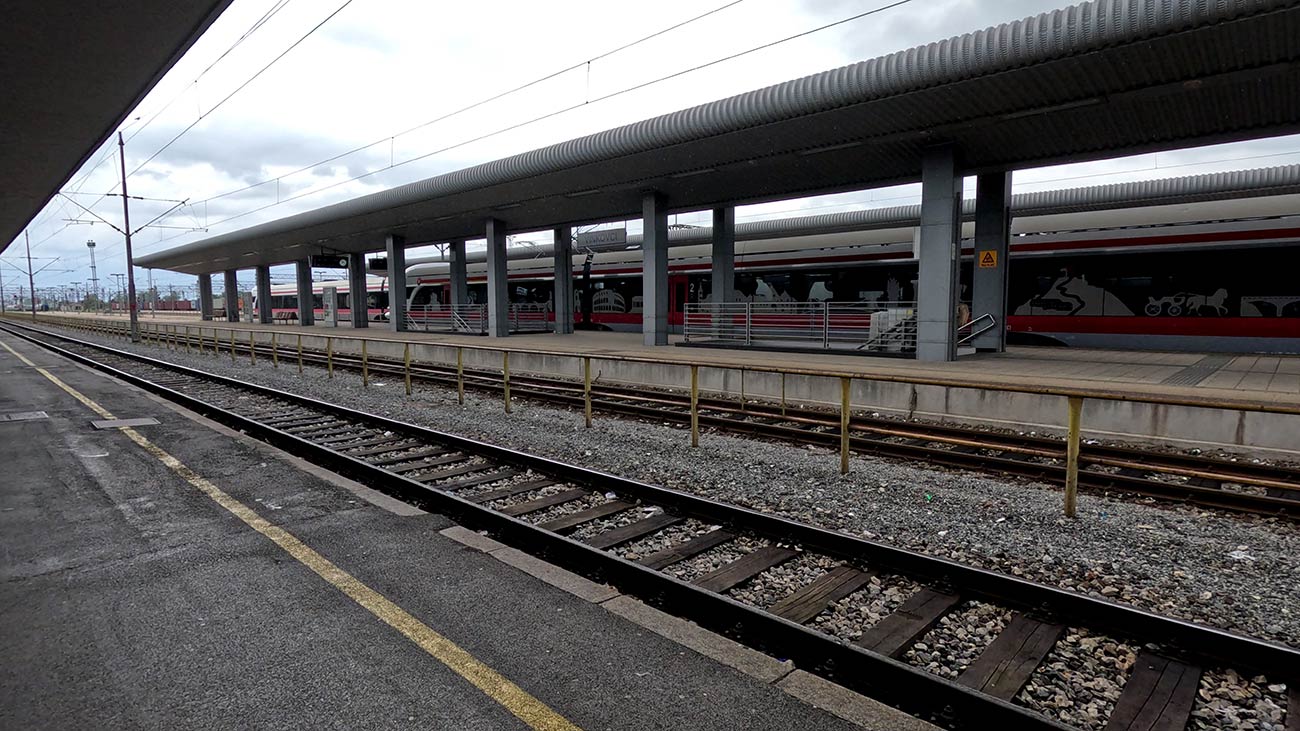
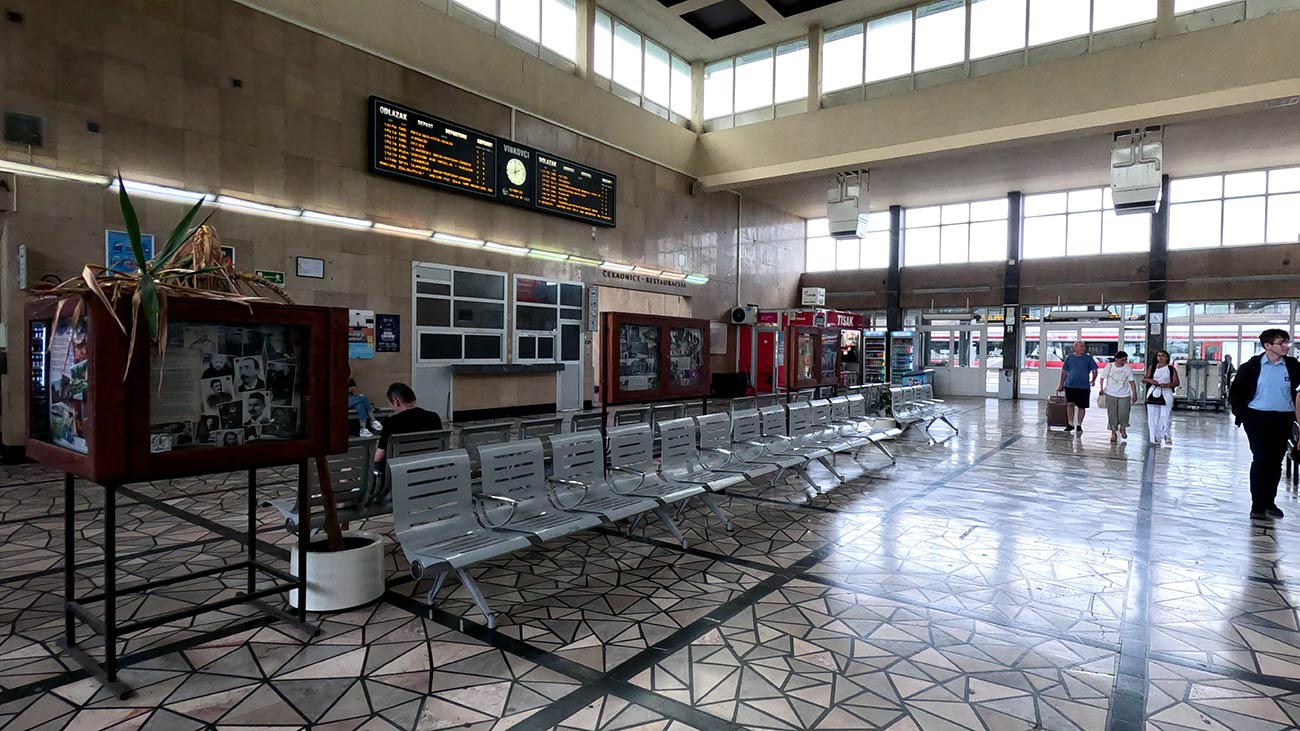
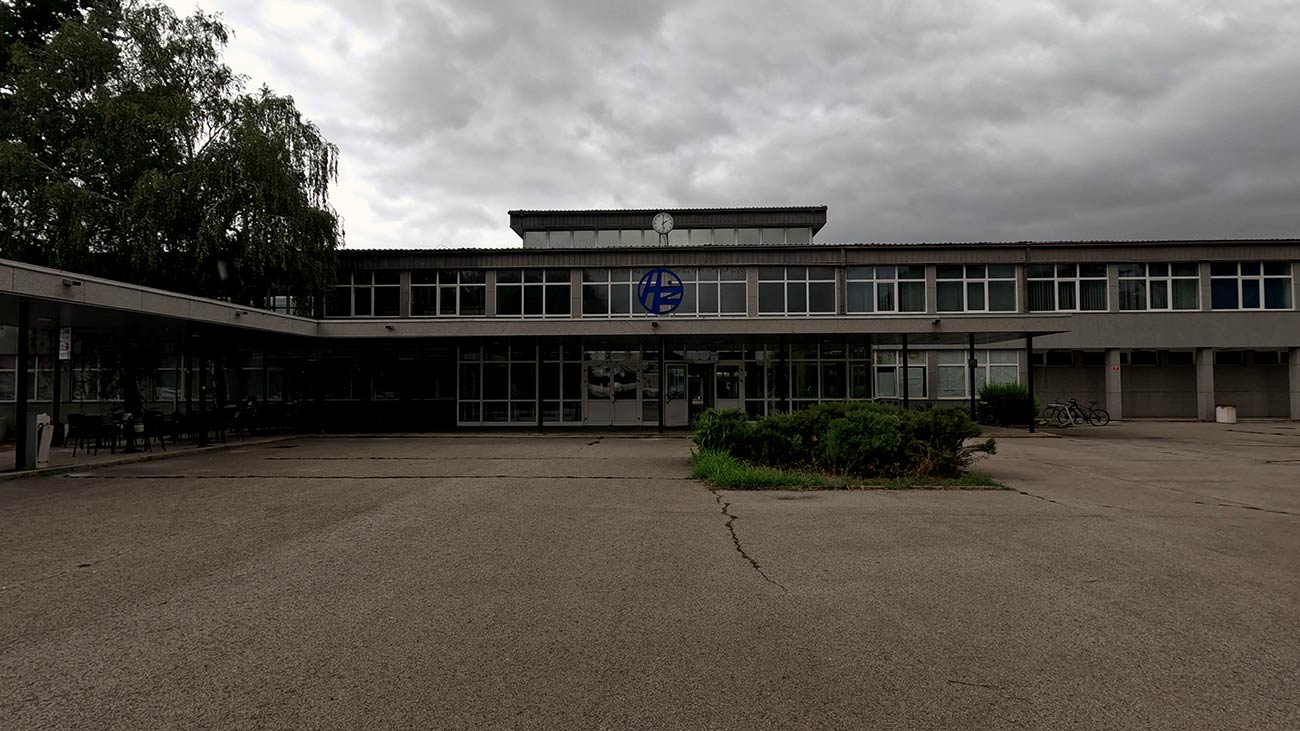
Vinkovci's railway station, an active and historic junction that is itself part of the town's identity as a transport crossroads, sits a short walk or ride from the old town centre, with the Korzo, the church, and the Town Museum all reachable on foot in around ten to fifteen minutes along flat, well-signposted streets. The bus station lies close to the railway station, making the transfer between the two straightforward. The historic centre is compact and entirely walkable, with the riverside promenade toward Krnjaš and the Kozarac monuments extending naturally from the same circuit. Bike racks are available at the railway station. For onward travel, the same line and bus network connect back toward Vukovar and the wider Danube region, as well as toward Osijek, so Vinkovci works equally well as a half-day excursion or as a longer stop combined with neighbouring Slavonian towns.