Bulgaria
Reading time: 4 minutes
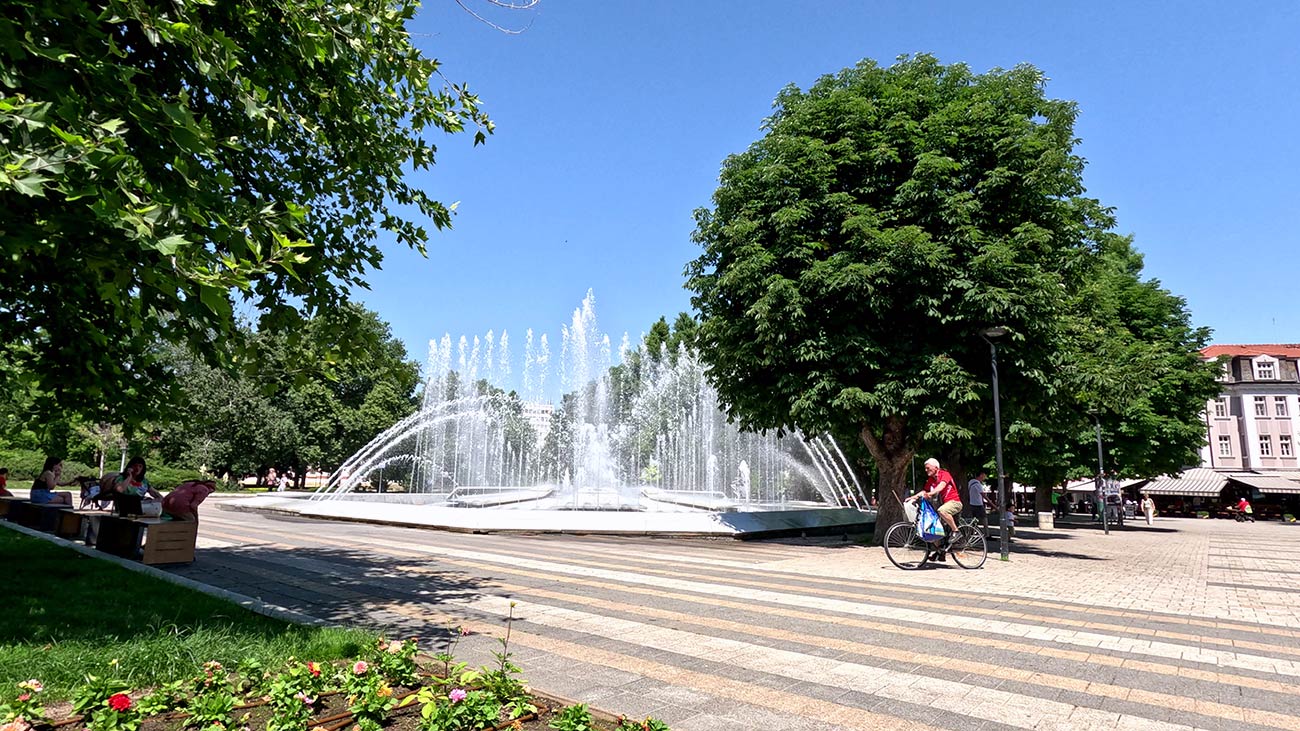
Bulgaria is the country where the EuroVelo 6 runs along a river that is also a national border, with the Danube forming the long, flat frontier between Bulgaria and Romania for almost the entire width of the country. The route enters from Serbia near Vidin, where one of the best-preserved medieval fortresses in the Balkans watches over the crossing, and follows the river east through a string of small, unhurried towns — Lom, Kozloduy, Nikopol, Svishtov, Ruse, Tutrakan, Silistra — before the Danube curves north into Romania and the cycling path continues overland toward the Black Sea coast. The landscape throughout is open and level, with high bluffs on the Bulgarian side dropping steeply to the water and wide agricultural plains stretching south toward the Balkan Mountains on the horizon.
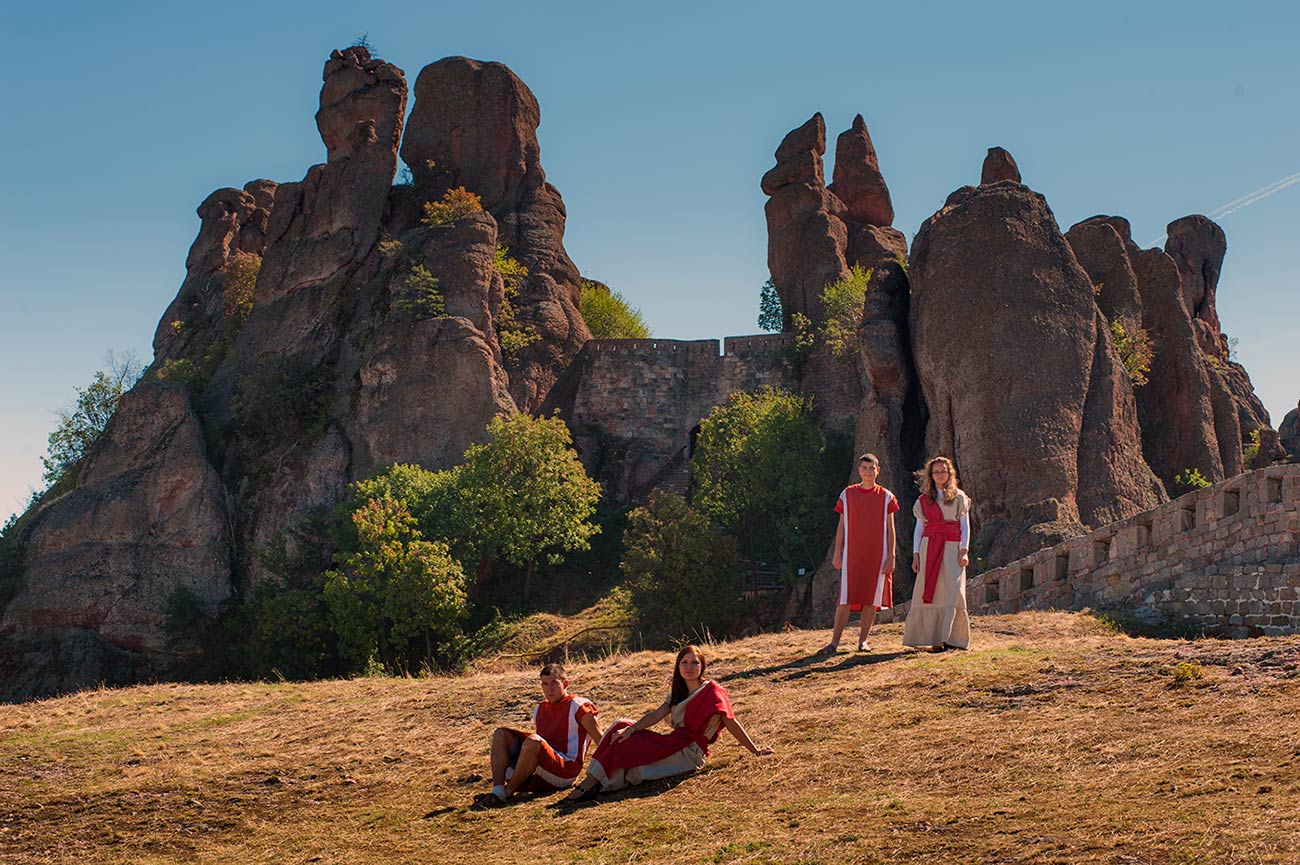
The Bulgarian Danube towns carry a quieter, less visited character than their counterparts further upstream, but several stand out in their own right. Vidin, with its remarkably complete Baba Vida fortress, is one of the most atmospheric arrivals on the entire route, a medieval castle standing directly on the riverbank with its towers and curtain walls almost fully intact. Further east, Ruse, the largest Bulgarian city on the Danube, earned the nickname Little Vienna in the nineteenth century for its grand boulevards, opera house, and ornamental facades, and it remains the cultural and architectural centrepiece of the Bulgarian stretch. Between the two, smaller towns such as Belogradchik, reachable by a short inland connection, offer access to extraordinary natural rock formations, Roman and Ottoman fortifications, and the foothills of the western Balkans.
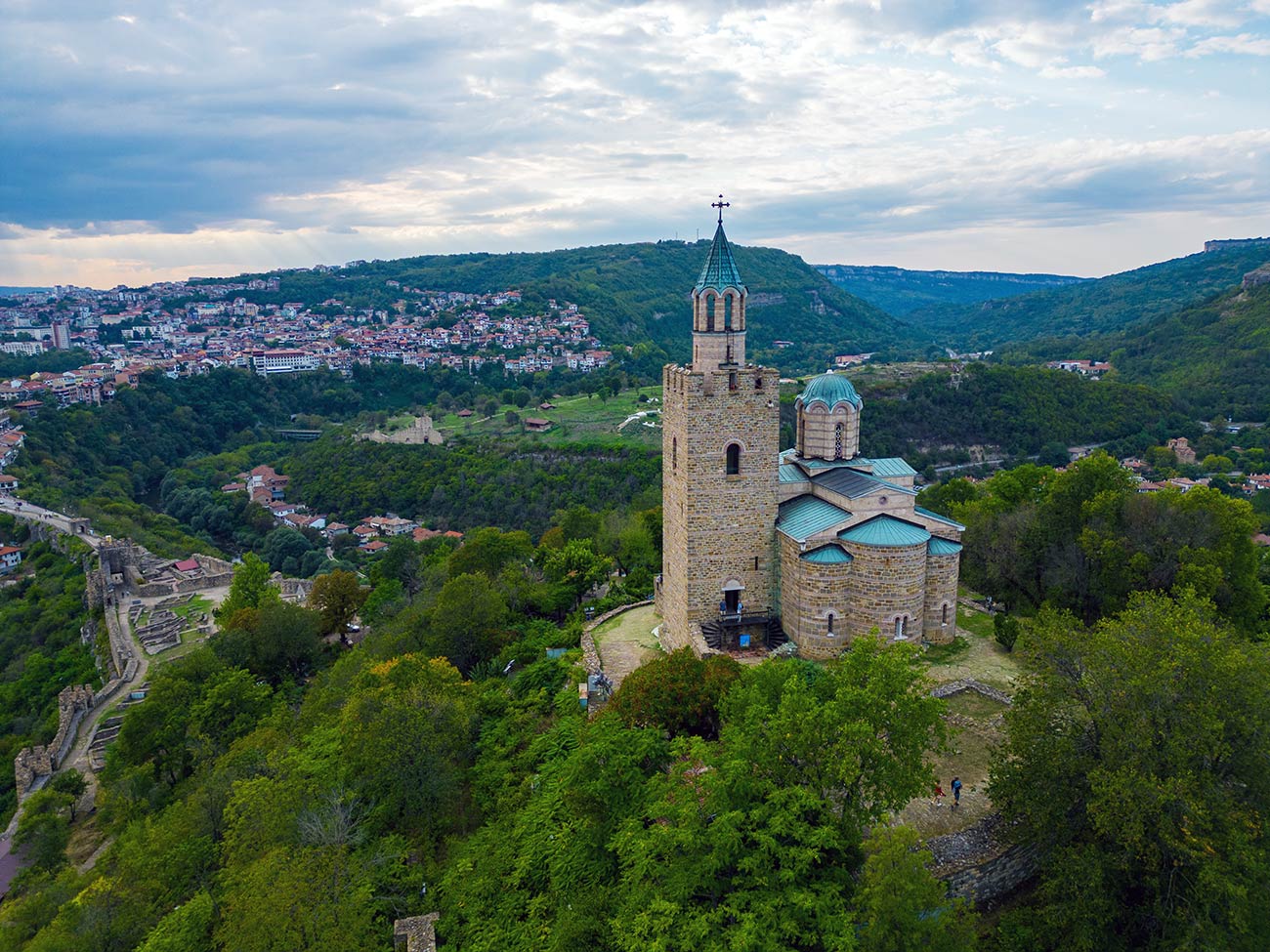
What defines the Bulgarian section of the EuroVelo 6 most clearly, however, is its sense of being a road less travelled. The cycling infrastructure is less developed than in Austria or Germany, the towns are smaller and less geared toward international tourism, and the distances between services can be longer, all of which asks more of the rider but rewards the effort with a genuine feeling of discovery. The national rail operator BDZ (Balgarski Darzhavni Zheleznitsi) connects the main Danube towns with the interior, including the capital Sofia and the historic cities of Veliko Tarnovo and Plovdiv further south, though train frequencies are lower than in central Europe and journey times are longer. Buses, operated by a mix of regional carriers and Union Ivkoni, Biomet, and FlixBus, are often the faster and more frequent option for shorter hops along the river and inland.
The sections below begin with a practical overview of bicycle transport options on Bulgarian trains and buses, followed by a map of inland destinations accessible to cyclists by public transport, and individual destination cards with photographs for each location.
Cycling & Public Transport
Below you will find a structured overview of public transport options available for cyclists, including key practical details on how bicycles can be carried on trains, buses, and other services. These notes are intended to help you understand the different possibilities for combining cycling with public transport, and to make it easier to plan flexible connections along your route depending on operator rules, capacity, and local conditions.
Bikes on Buses
Bus transport in Bulgaria is primarily operated by a mix of national and regional private coach companies, as there is no single dominant state-owned long-distance bus provider equivalent to a unified national system. These services connect major cities and towns along the Danube corridor as well as inland destinations, often filling gaps where rail connections are less frequent or slower. While the bus network is extensive and widely used for intercity travel, bicycle transport is not standardised and varies significantly between operators, vehicles, and routes. In most cases, bicycles can only be carried if there is sufficient luggage space and with prior agreement from the driver or company, and fully assembled bikes are not consistently accepted. Folding bicycles or disassembled and bagged bikes are generally more reliably transported, especially on longer-distance routes. As a result, bus travel in Bulgaria is best considered a secondary and situational option for cyclists, useful for specific transfers between key points rather than as a fully predictable component of cycling itineraries along the Danube route.