Romania
Reading time: 6 minutes
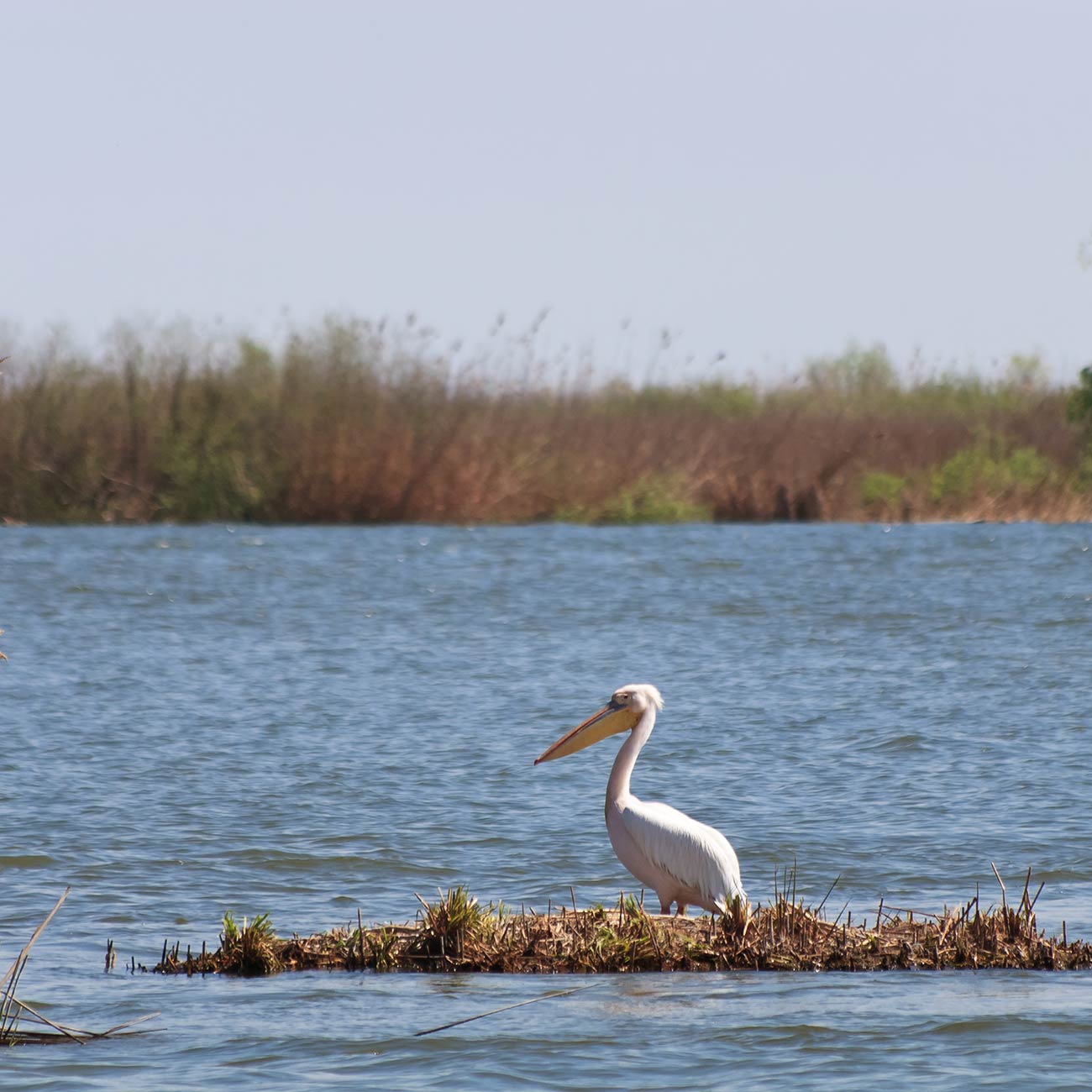
Romania forms the final and in many ways the most dramatic stretch of the EuroVelo 6, the section where the Danube stops being simply a river you ride alongside and becomes a great natural and historical event in its own right. Here the river separates Romania from Serbia and Bulgaria, forces its way through gorges and narrows, widens into lakes and marshes, and finally, after thousands of kilometres, dissolves into one of the largest and best-preserved wetlands in Europe before reaching the Black Sea. The landscape shifts from steep limestone cliffs and forested mountains in the west, through the wide, flat Wallachian plain in the centre, to the endless world of reeds and water channels in the east.
Entering the country from the west, the EuroVelo 6 follows the Danube through one of its most celebrated passages — the Iron Gates (Porțile de Fier) region, where the river cuts between the Carpathians and the Balkan Mountains in a series of gorges that rank among the most striking natural features on the entire route. From there the path continues downstream along the Romanian bank, through the agricultural south of the country, all the way to the great delta at its eastern edge. Although the river remains a constant companion, the landscape around it changes continuously, and with it the rhythm of the journey: from tense climbs and cliff-edge views in the west, through quiet, level riding across the southern plain, to the slow, almost soundless movement by water at the very end.
The route itself and its immediate surroundings offer several landmarks that stand out along the way. The Iron Gates gorges, with the colossal rock-carved face of the Dacian king Decebalus watching across the Serbian bank, mark the western gateway. Further downstream, the old river port of Giurgiu guards the crossing toward Bucharest and the heart of the country. And at the far eastern end, the Danube Delta, a UNESCO World Heritage Site and Biosphere Reserve, brings the entire 2,850-kilometre EuroVelo 6 journey to its natural conclusion in a maze of channels, reed beds, and open water that can only be explored by boat.
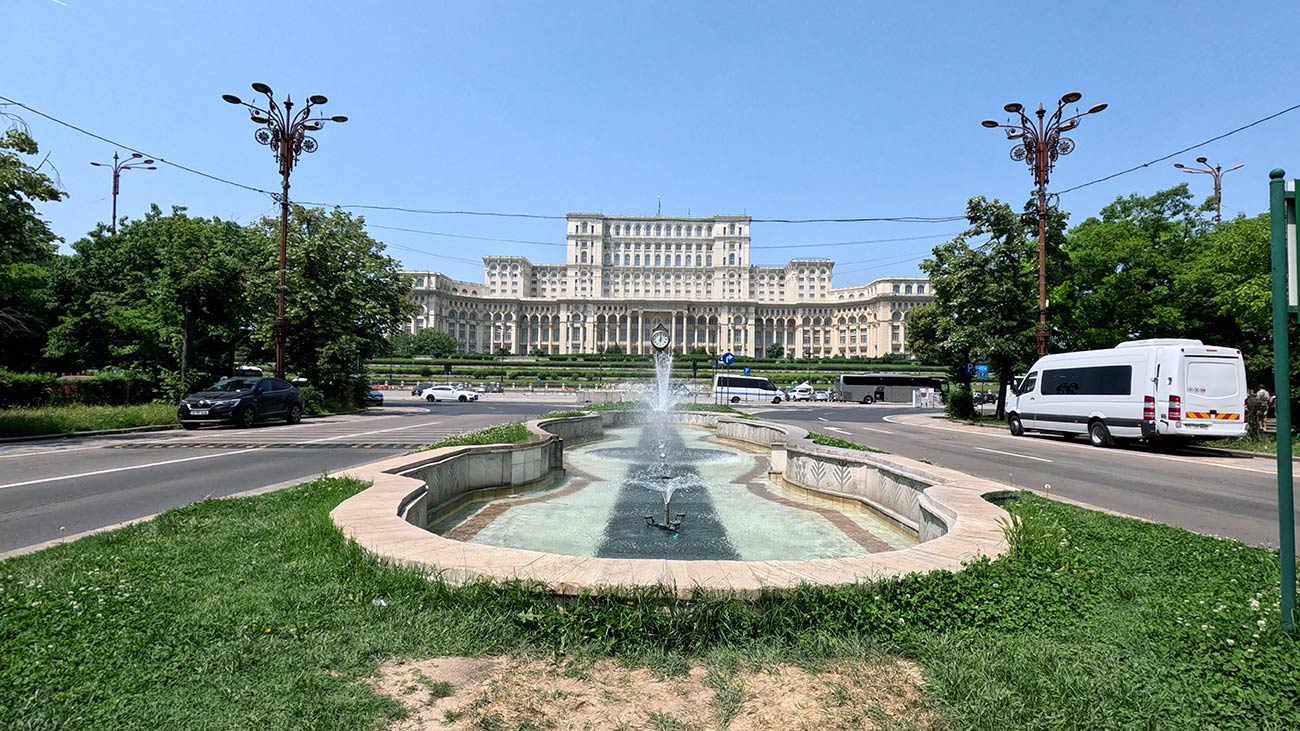
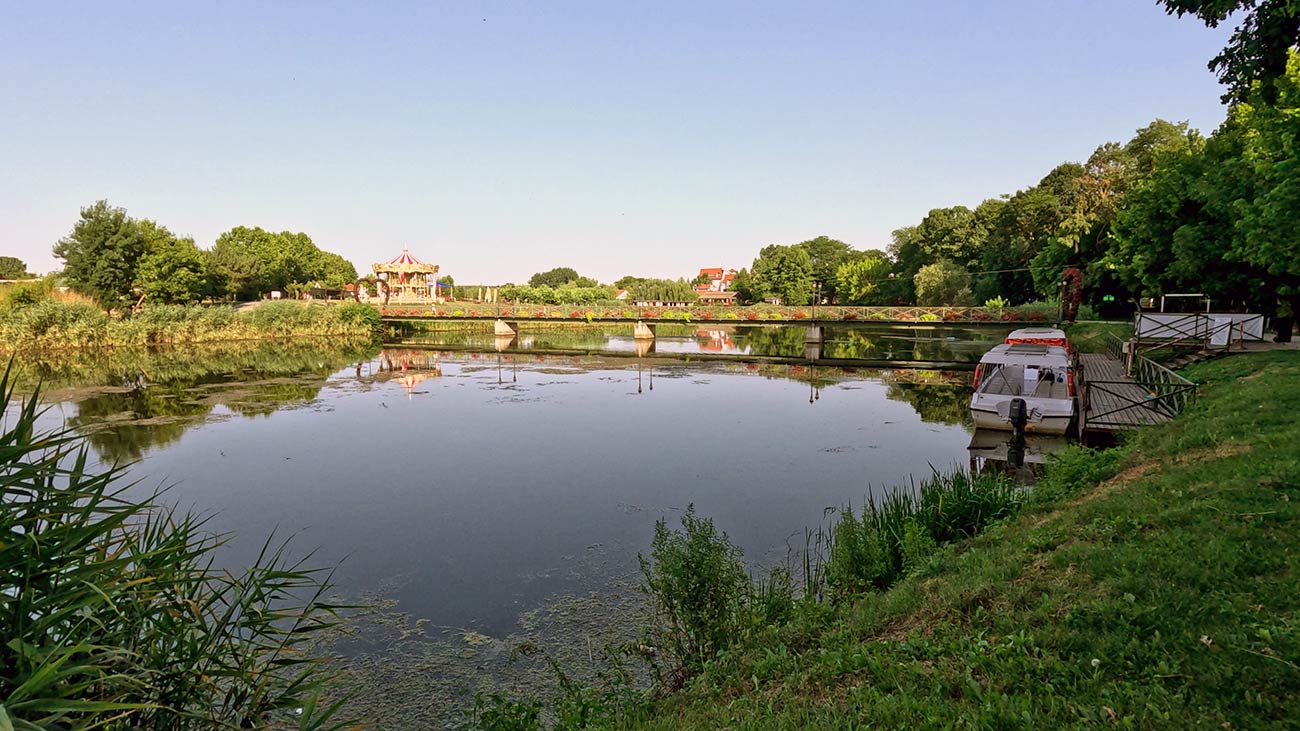
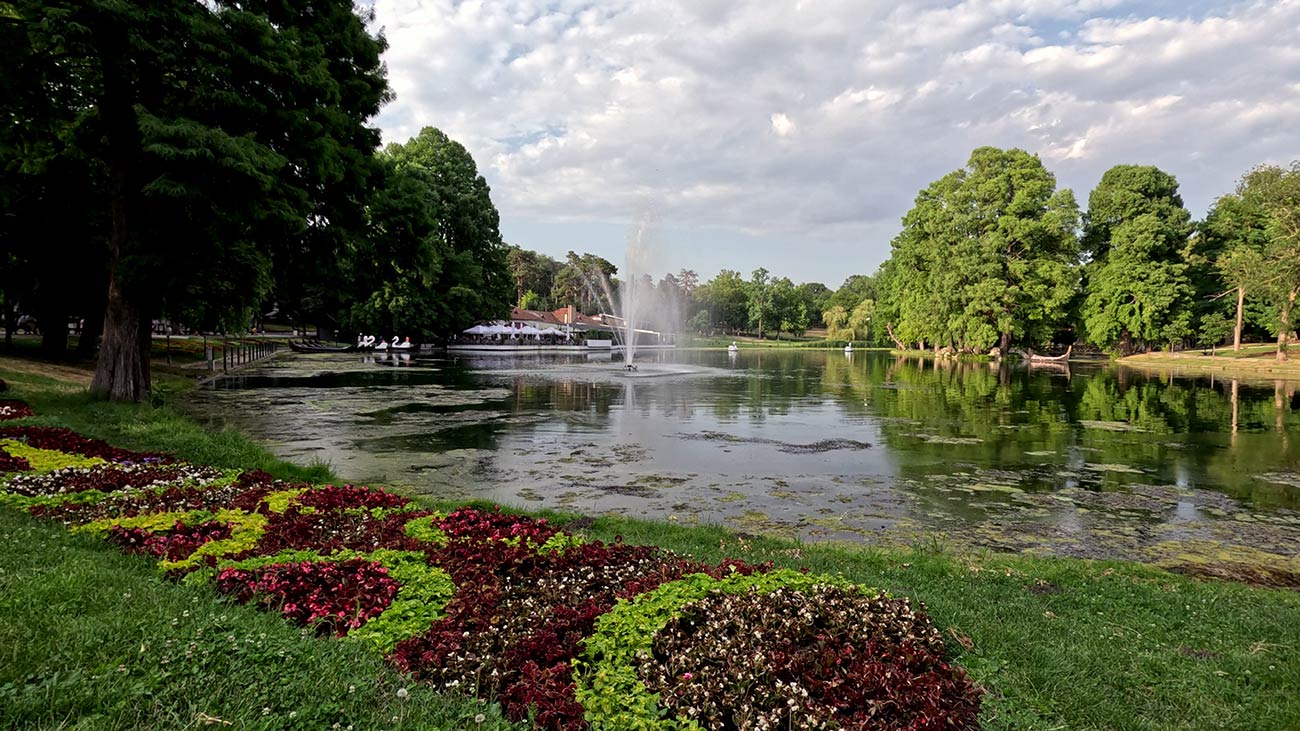
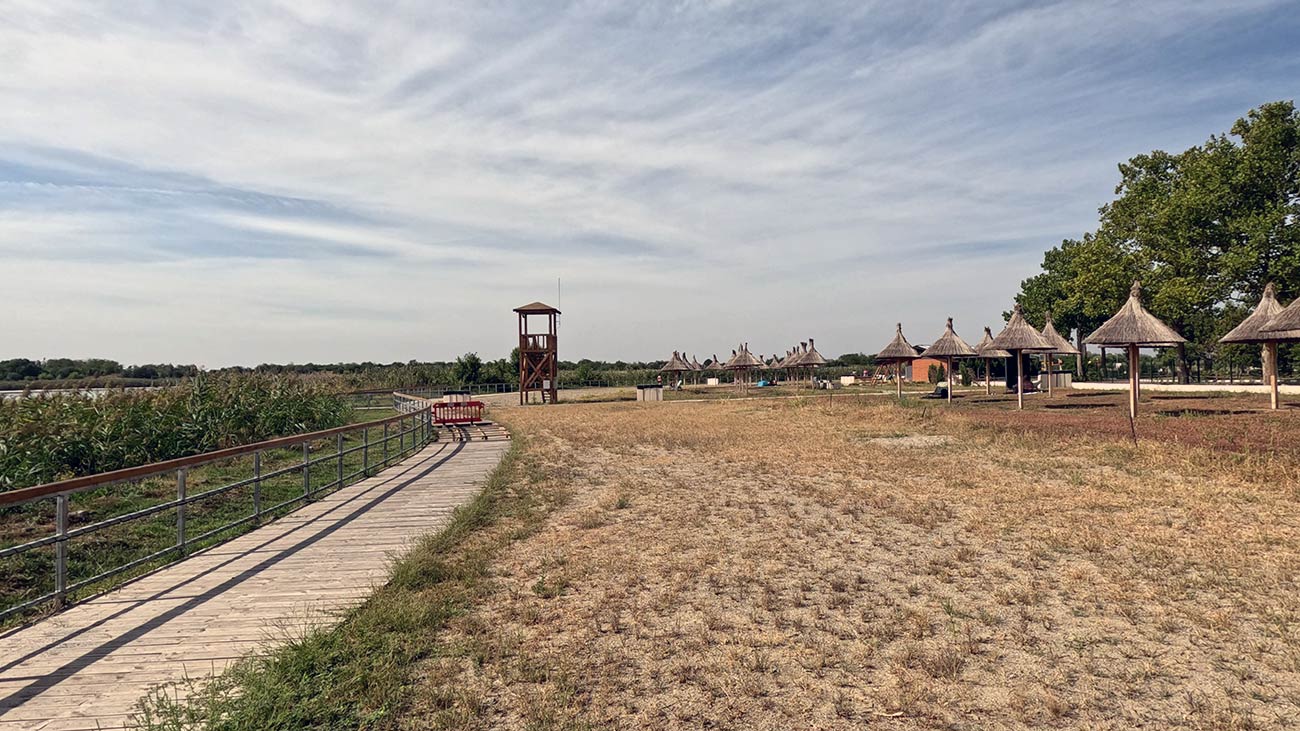
Beyond these highlights on the river itself, a number of rewarding cultural and natural destinations lie within easy reach of the route by public transport. The sections below present a map of these inland detours accessible to cyclists by train or bus, followed by individual destination cards with photographs, and a practical overview of bicycle transport options on Romanian trains and buses to help plan each connection.
Cycling & Public Transport
Below you will find a structured overview of public transport options available for cyclists, including key practical details on how bicycles can be carried on trains, buses, and other services. These notes are intended to help you understand the different possibilities for combining cycling with public transport, and to make it easier to plan flexible connections along your route depending on operator rules, capacity, and local conditions.
Romanian Trains
The rail network in Romania is operated mainly by CFR Călători (Căile Ferate Române), the national passenger rail company, which runs the large majority of routes across the country on what is, by track length, the fourth-largest railway network in Europe. Alongside CFR, several smaller private operators run on selected routes, including Regio Călători, InterRegional Călători, Transferoviar Călători, Softrans, and Astra Trans Carpatic, each covering a limited set of lines; in places CFR doesn’t reach, one of these operators usually fills the gap. Trains come in three main categories: Regio (R), the slowest, stopping at every station; InterRegio (IR), faster medium- and long-distance services with both first and second class, free wifi, and on longer routes sleeping cars and dining cars; and InterCity (IC), the fastest and most comfortable category, reintroduced in December 2023. Private operators often don’t have ticket offices at smaller stations, so tickets can usually be bought directly on board the train without penalty. The CFR Călători website and app, along with the independent Infofer journey planner, are the most useful tools for checking timetables across all operators and purchasing tickets in advance.
Taking your bike
Romania is moderately bike-friendly when it comes to rail transport, though the rules vary by operator and are worth checking before each journey. On CFR Călători trains, non-folding bicycles can only be carried on Regio, InterRegio, and InterCity services that are specifically marked with a bicycle icon in the online timetable, where a bicycle ticket must be purchased at the ticket office or on board, priced according to distance. Folding bicycles, by contrast, are carried free of charge as hand luggage on any CFR train, in first or second class, provided they fit within the space available for hand luggage and don’t inconvenience other passengers; bicycles with one or both wheels removed do not count as folding bikes and are instead charged as bulky luggage. Among the private operators, rules and fees differ: Regio Călători, InterRegional Călători, Transferoviar Călători, and Softrans each charge a small separate bicycle fee, while Astra Trans Carpatic does not allow bicycle transport on its trains at all. Given this patchwork of policies, the most reliable approach for cycle touring in Romania is to check the bicycle icon on the specific train in the CFR or Infofer timetable in advance, or to travel with a genuinely foldable bike, which sidesteps the issue entirely.
Bikes on Buses
Long-distance bus services in Romania are extensive and, for many domestic routes, faster and more comfortable than the equivalent train journey, particularly since FlixBus expanded into the Romanian domestic market and now connects more than 50 cities across the country, alongside its existing international routes. Outside the larger FlixBus coaches, much of Romania’s internal bus network runs through smaller regional operators using minibuses and shuttle vans, which can be considerably less comfortable but are frequent, reliable, and inexpensive; tickets for these can typically be checked through aggregator sites such as Autogari.ro. Bicycle transport on Romanian buses is not standardised and depends heavily on the specific operator and vehicle. FlixBus routes operated within Romania have, in practice, proven inconsistent for cyclists, with some drivers accepting only fully folded or bagged bicycles regardless of what is shown on international booking pages, and smaller regional minibus operators rarely have any dedicated luggage space for an assembled bike at all. As a result, buses are best treated by cyclists as a flexible but unreliable backup option in Romania, while a bicycle that is genuinely foldable, or fully disassembled and bagged, travels far more predictably than an assembled touring bike on any bus service in the country.