Serbia
Reading time: 8 minutes
Serbia is the country where the EuroVelo 6 crosses from central Europe into the Balkans, and the shift is felt in everything from the landscape and the architecture to the alphabet on the road signs. The Danube enters the country from Hungary in the north, flows through the flat, multicultural plains of Vojvodina, passes through Belgrade at the confluence with the Sava, and then turns east toward the Iron Gates gorges on the Romanian border, one of the most dramatic stretches of river anywhere on the continent. The range of terrain along this single corridor is remarkable: from the endless Pannonian farmland of the Banat and Bačka in the north, through the urban intensity of the Serbian capital, to the steep, forested canyon walls at the country’s eastern edge.
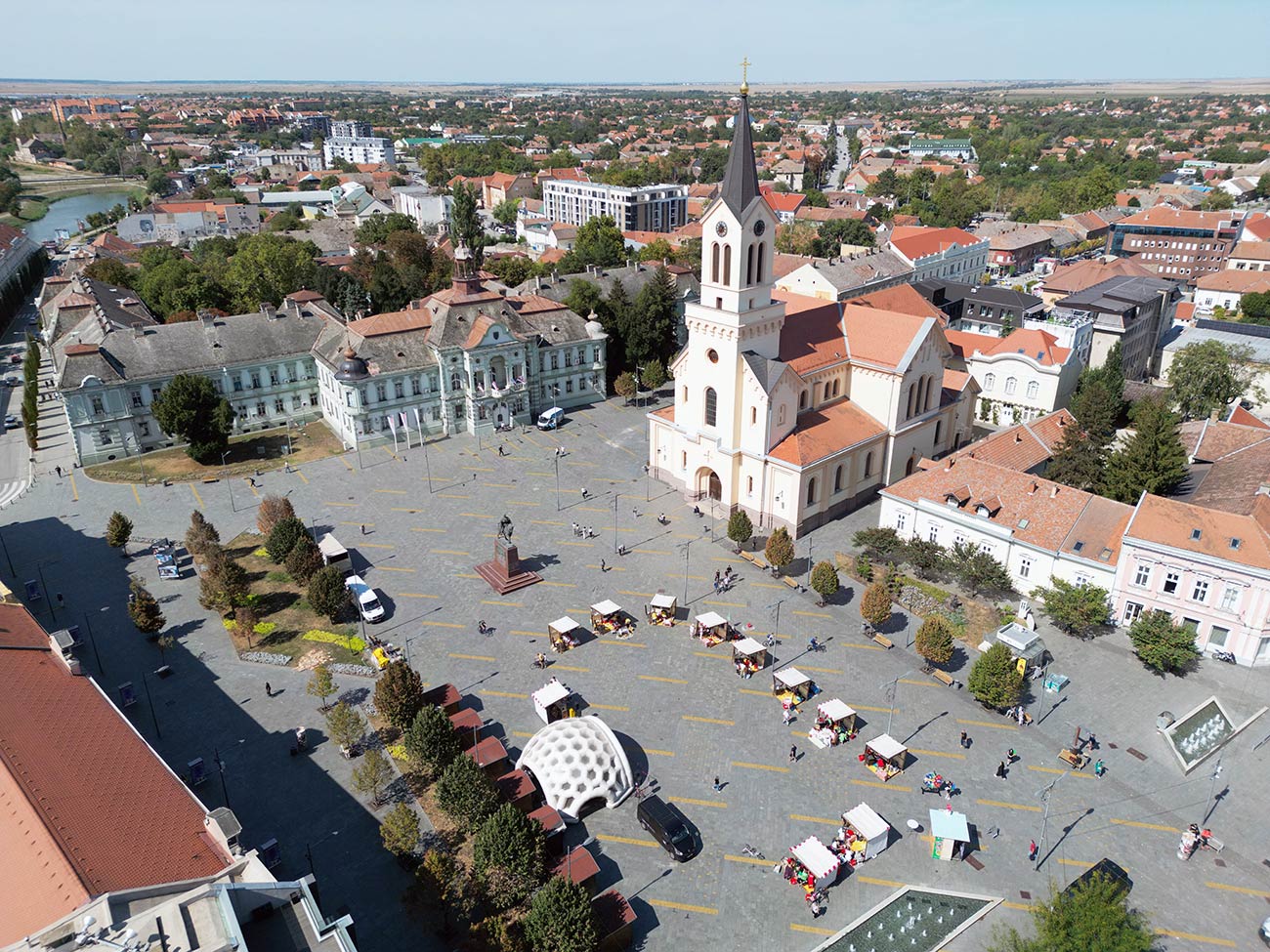
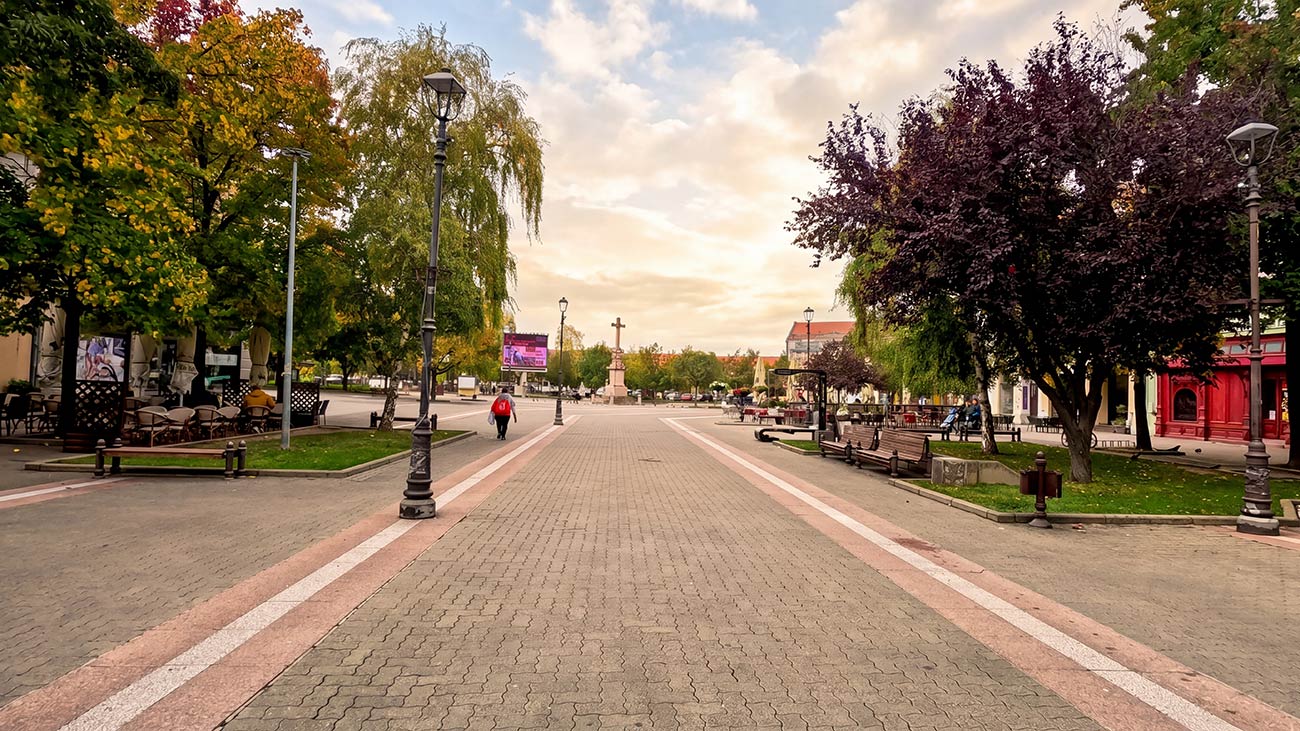
The route through Serbia passes through or near several landmarks that define both the river and the country. Belgrade, one of the oldest continuously inhabited cities in Europe, sits at the strategic meeting point of the Danube and the Sava and has been fought over by empires for two millennia; today it is a sprawling, energetic capital with a fortress, a lively waterfront, and a cultural life far larger than most visitors expect. North of the capital, the Vojvodina plain carries its own distinct identity, shaped by centuries of Austro-Hungarian administration and a mix of Serbian, Hungarian, Romanian, Slovak, and Croatian communities still living side by side. At the far eastern end, the Đerdap Gorge opens a different chapter entirely: the medieval fortress of Golubac, rising from the water’s edge at the entrance to the gorge, the prehistoric settlement of Lepenski Vir, where eight-thousand-year-old carved stone figures were uncovered on the riverbank in the 1960s, and the Ottoman-era fortification of Fetislam near Kladovo together mark the point where the Danube narrows between two mountain ranges and the landscape takes on a scale and a depth of history that few stretches of river anywhere in Europe can match.
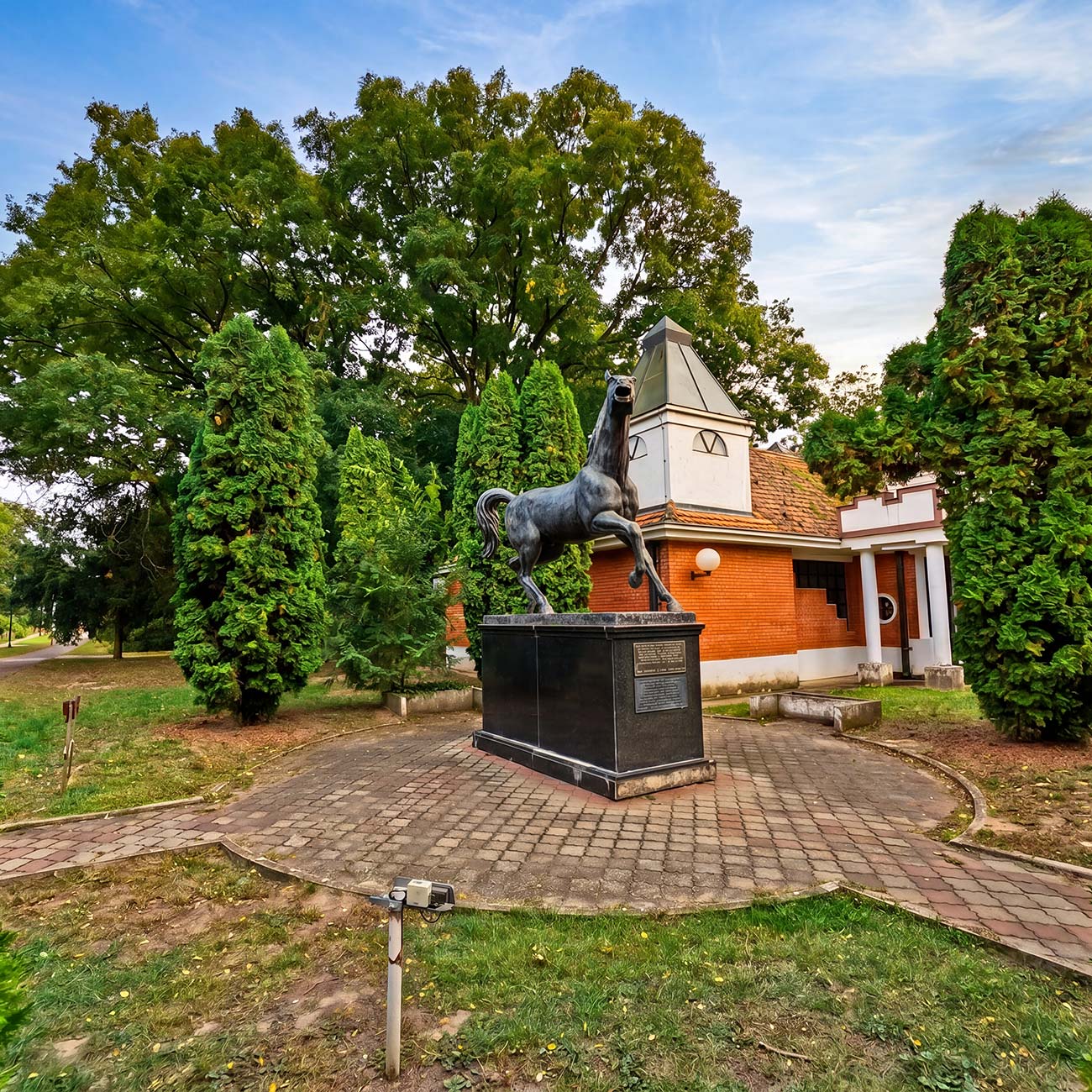
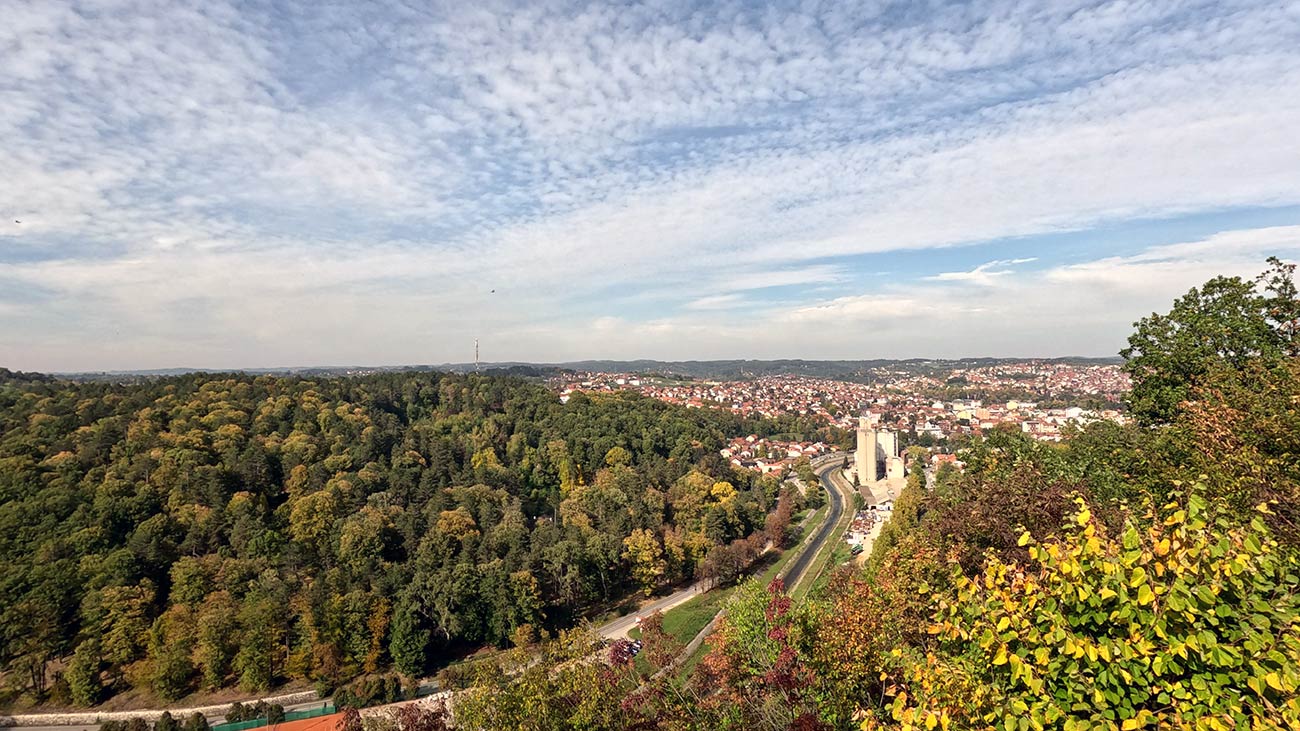
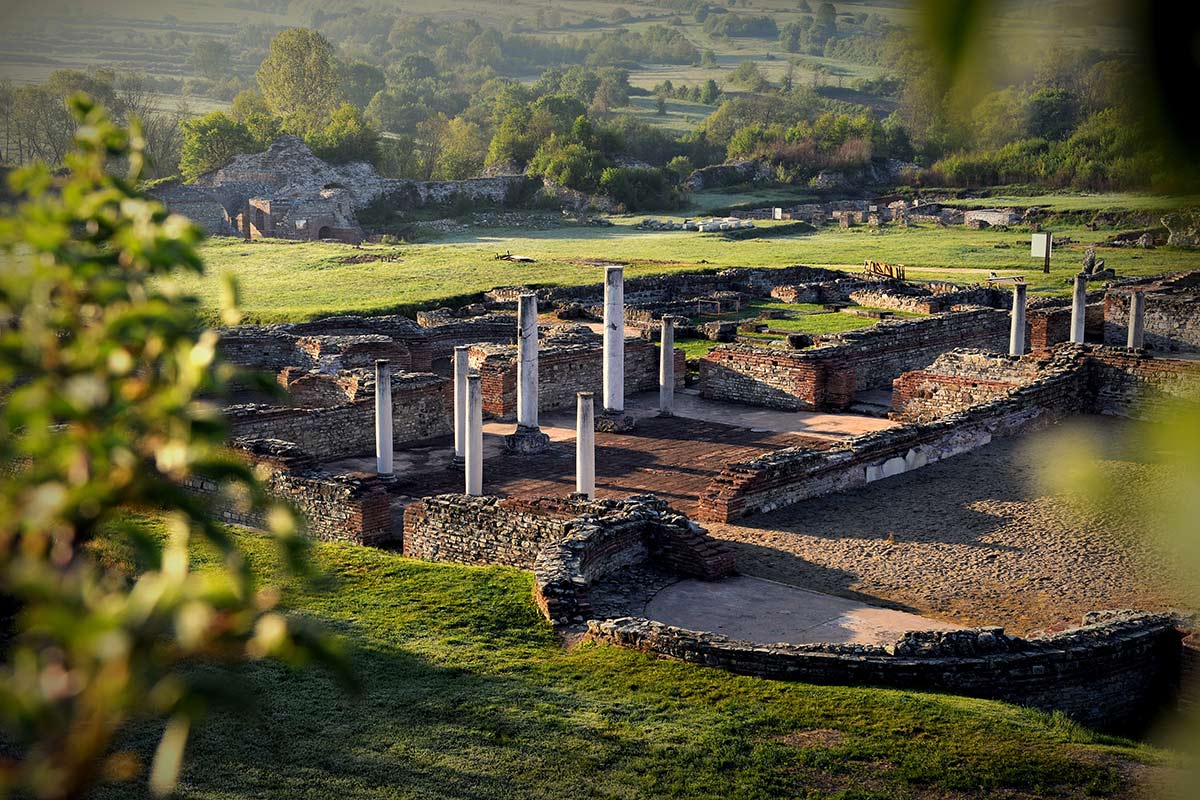
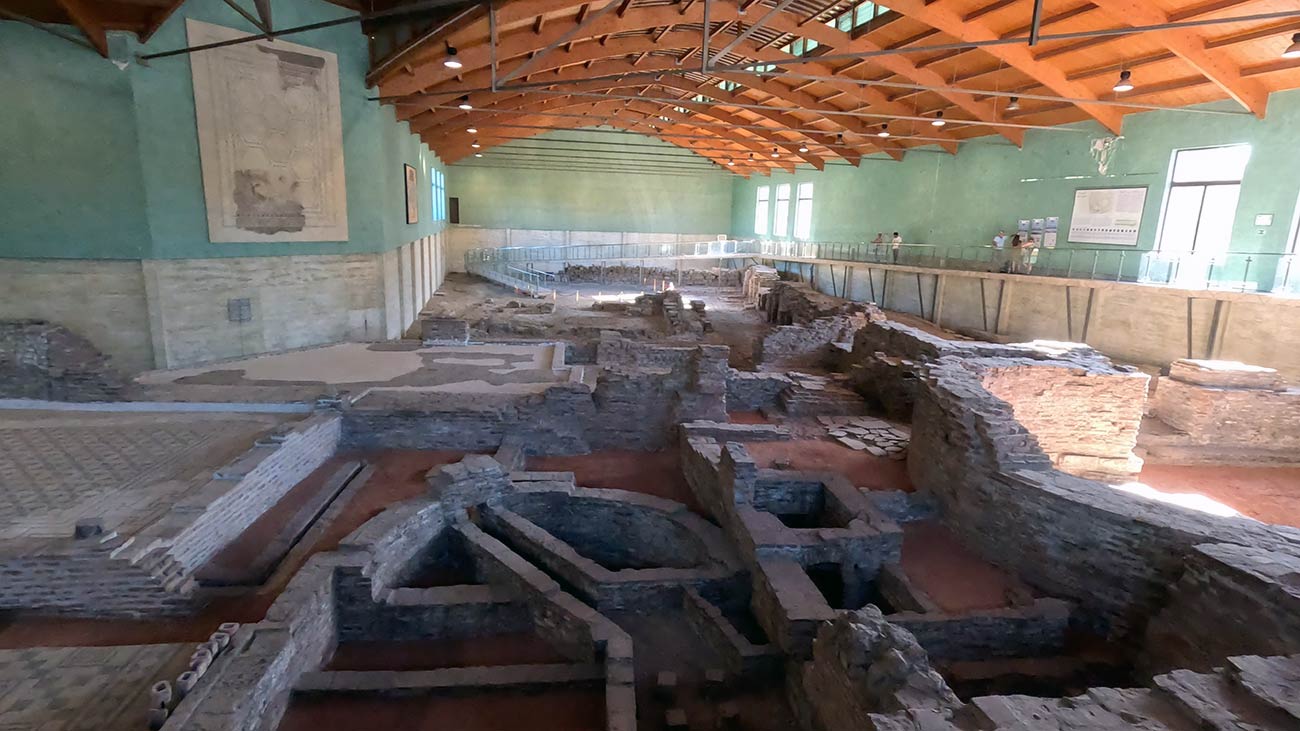
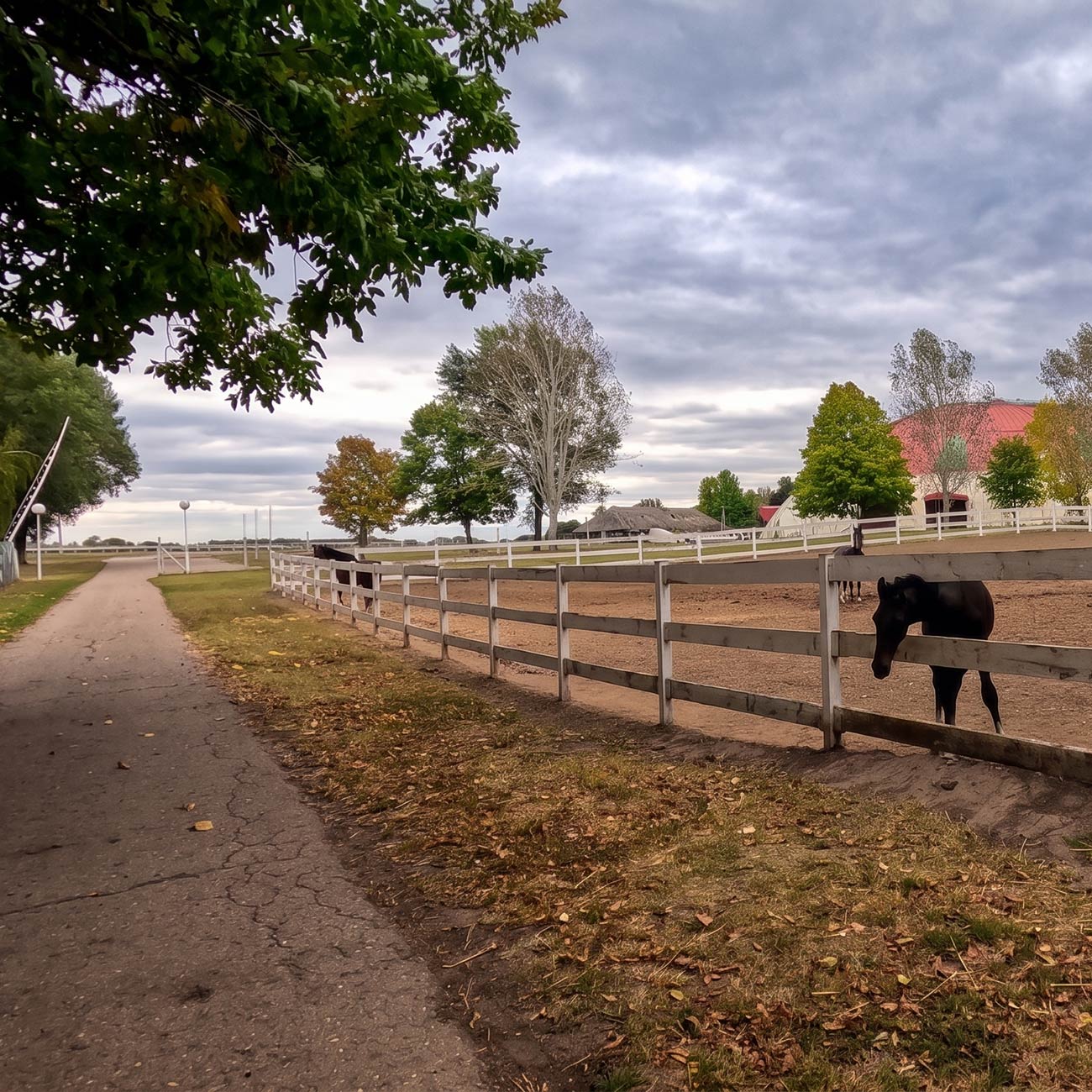
Away from the river itself, Serbia’s inland destinations are surprisingly varied and, in many cases, surprisingly easy to reach. The recently modernised Belgrade–Novi Sad–Subotica high-speed rail corridor, served by new Soko trains capable of 200 km/h, has transformed travel along the country’s main north-south axis and made several Vojvodina destinations accessible in well under two hours from the capital. Elsewhere, regional rail and a well-developed intercity bus network connect the Danube corridor to towns that range from an Art Nouveau fairy tale near the Hungarian border to a Roman imperial palace in the eastern hills, from a medieval trading quarter on a western river to a horse-breeding estate on the open Bačka plain. The Serbian stretch of the EuroVelo 6 is, in this sense, less a single line along the river and more a hub from which an unusual variety of cultural and natural detours fan out in every direction.
The sections below begin with a practical overview of bicycle transport options on Serbian trains and buses, followed by a map of inland destinations accessible to cyclists by public transport, and individual destination cards with photographs for each location.
Cycling & Public Transport
Below you will find a structured overview of public transport options available for cyclists, including key practical details on how bicycles can be carried on trains, buses, and other services. These notes are intended to help you understand the different possibilities for combining cycling with public transport, and to make it easier to plan flexible connections along your route depending on operator rules, capacity, and local conditions.
Serbian Trains
The rail network in Serbia is operated mainly by Srbija Voz, the national passenger rail operator, which runs both regional and InterCity services across the country. For much of the network, the system has historically been considerably less developed than rail networks in neighbouring central European countries, with ageing rolling stock, single-track lines, and journey times that often lag well behind road travel over the same distance. Against this backdrop, the modernised Belgrade-Novi Sad-Subotica corridor stands out as a genuine exception. Upgraded with new high-speed Soko electric trains and a parallel InterRegio service, this stretch has been transformed into one of the fastest and most reliable rail journeys anywhere in the region, with frequent departures running roughly every one-two hours throughout the day and journey times that now comfortably compete with, and often beat, the equivalent bus or car trip. Stops along this corridor include Novi Beograd, Petrovaradin (serving Novi Sad), Vrbas, Bačka Topola, and Subotica on the Soko line, with several additional stops served by the InterRegio service. Away from this modernised corridor, Serbian regional rail tends to be slower and less frequent, and for many shorter regional hops, buses remain the faster and more practical option. The Srbija Voz website and app are the main tools for checking timetables and buying tickets, and the app in particular is useful since not every station along the network, including some stops on the modernised corridor itself, has a staffed ticket counter. Tickets are normally purchased in advance through the website or app, but where no ticket counter is available at the departure station, tickets can simply be bought directly on board the train from the conductor, with no extra fee charged for doing so. This makes the system fairly forgiving for visitors unfamiliar with Serbian rail, since a missing ticket counter at a small rural station is not an obstacle to travel.
Taking your bike
Cycling support on Serbian trains follows clear rules set out by Srbija Voz, though capacity varies considerably by train type. On diesel-engine trains, bicycles are loaded through doors marked with a bicycle symbol and secured on built-in bike racks, of which there are only two per train set, located near the folding seats; bikes cannot be left in front of the wheelchair space or the toilets. On electric multiple-unit trains, bicycles are again loaded through marked doors and placed beside the folding seats near the entrance and toilets, though these carriages have no fixed racks, so the rider should stay close by to steady the bike; up to three bicycles can generally be carried if the multipurpose space is free, at the conductor’s discretion and depending on wheelchair users, prams, or large luggage already on board. The modern Soko electric trains on the upgraded Belgrade-Subotica corridor offer the most generous capacity, with dedicated bicycle space in every carriage near the luggage racks (the lower shelf folds down to free the space), allowing up to eight bicycles per train under normal conditions, again at the conductor’s discretion. On all train types, bicycles may be refused if the train is already at full capacity on a given stretch. On any other Serbian train not covered by these specific rules, and on all international services, a bicycle can still be carried as ordinary luggage if it is folded and packed so that it fits within the same compartment as its owner. Srbija Voz accepts no liability for damage or loss of bicycles carried on board. Given this patchwork of rules, the modernised Soko service remains the most reliable option for cyclists travelling with an assembled touring bike, while a folded or disassembled bike packed as luggage travels reliably on any service.
Bikes on Buses
Long-distance bus services in Serbia are extensive and, on most routes away from the main modernised rail corridor, faster and more frequent than the equivalent train journey. The network is operated by a large number of carriers, with Lasta among the largest national operators, alongside numerous regional companies such as Niš-Ekspres and Banat Trans, and the international operator FlixBus on selected routes. Bicycle transport on Serbian buses is not standardised across operators: bikes are typically carried in the luggage compartment beneath the bus when space allows, but capacity is not guaranteed, and advance reservation or direct confirmation with the specific operator is recommended, especially for an assembled touring bike. As a result, buses are best used by cyclists as a secondary, flexible option for repositioning between towns, particularly where rail connections are slow, infrequent, or simply don’t exist on a given route, while a packed or folded bike travels far more reliably as ordinary luggage than an assembled one.