Hungary
Reading time: 6 minutes
Hungary is the country where the EuroVelo 6 leaves the alpine world behind for good and enters the wide, open spaces of the Pannonian Basin. The Danube arrives from Slovakia through the dramatic Danube Bend north of Budapest, turns sharply south through the capital, and then runs in a long, steady line across the Great Plain all the way to the Serbian and Croatian borders. The landscape is flat, warm, and expansive, the light is different from anything further upstream, and the rhythm of riding changes with it: long, level stretches through riverbank farmland, punctuated by historic towns, thermal baths, and the occasional ferry crossing to the opposite bank.
The route through Hungary passes through or near several of the country’s defining landmarks. Budapest, straddling the Danube at the point where the hills of Buda meet the plain of Pest, is the undisputed centrepiece, a city of thermal baths, grand riverfront architecture, and a cultural life that has shaped central Europe for centuries. North of the capital, the celebrated Danube Bend at Visegrád and Esztergom, where the river makes its sharpest turn between forested hills, offers one of the most photographed stretches of water anywhere on the route. Further south, the old river towns of Mohács and Baja, quieter and less visited, carry their own distinct character and serve as gateways to the wine country and cultural destinations of the southern Transdanubia.
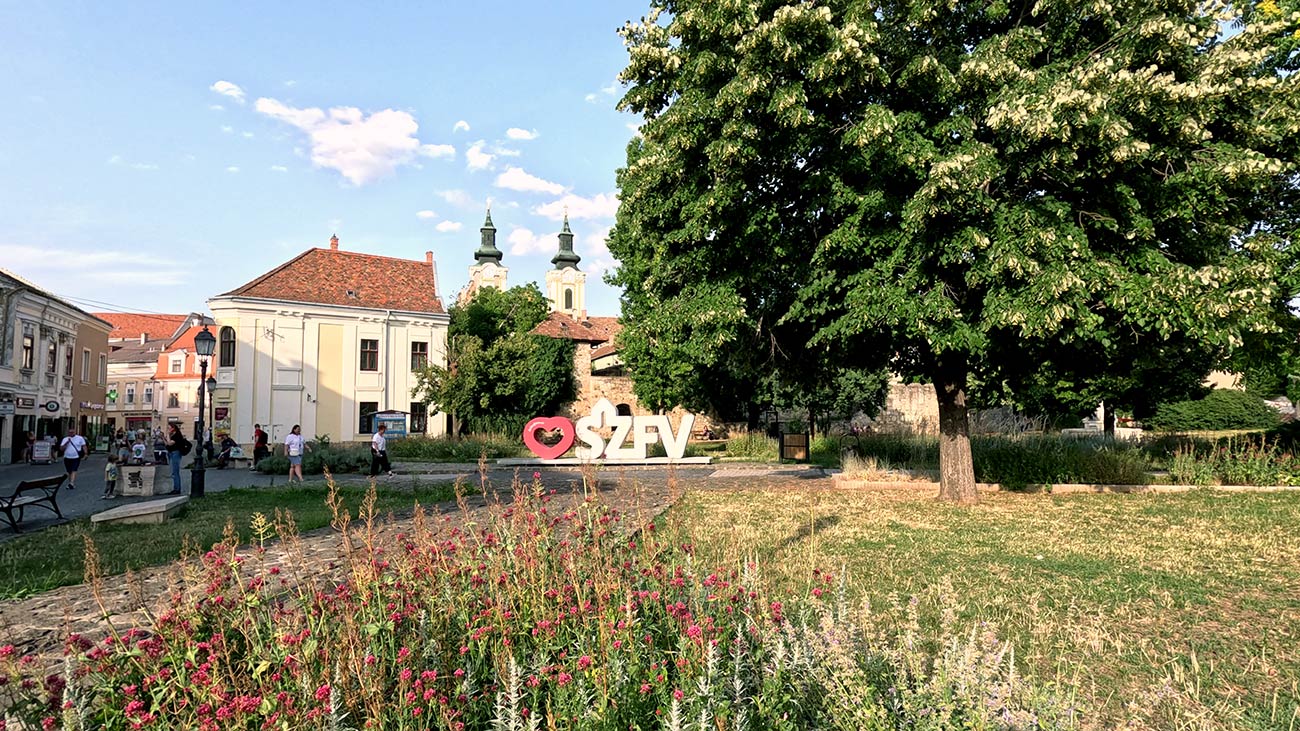
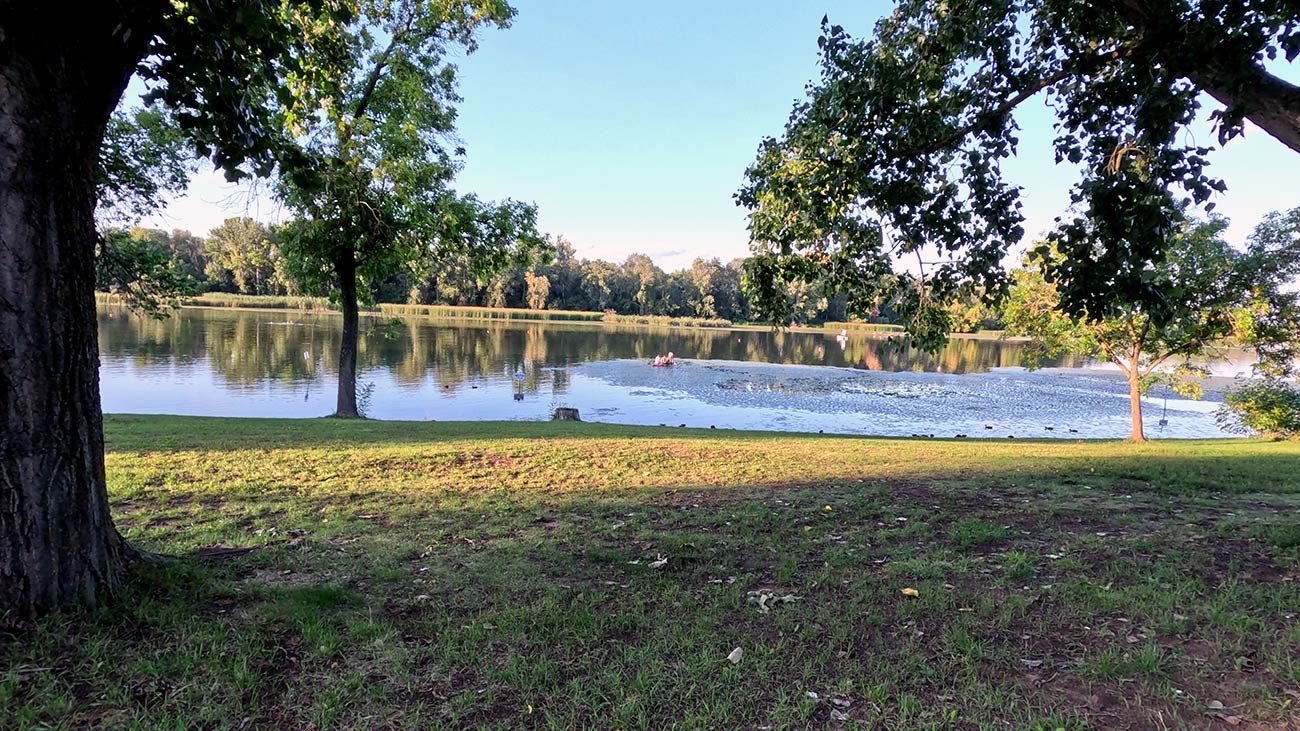
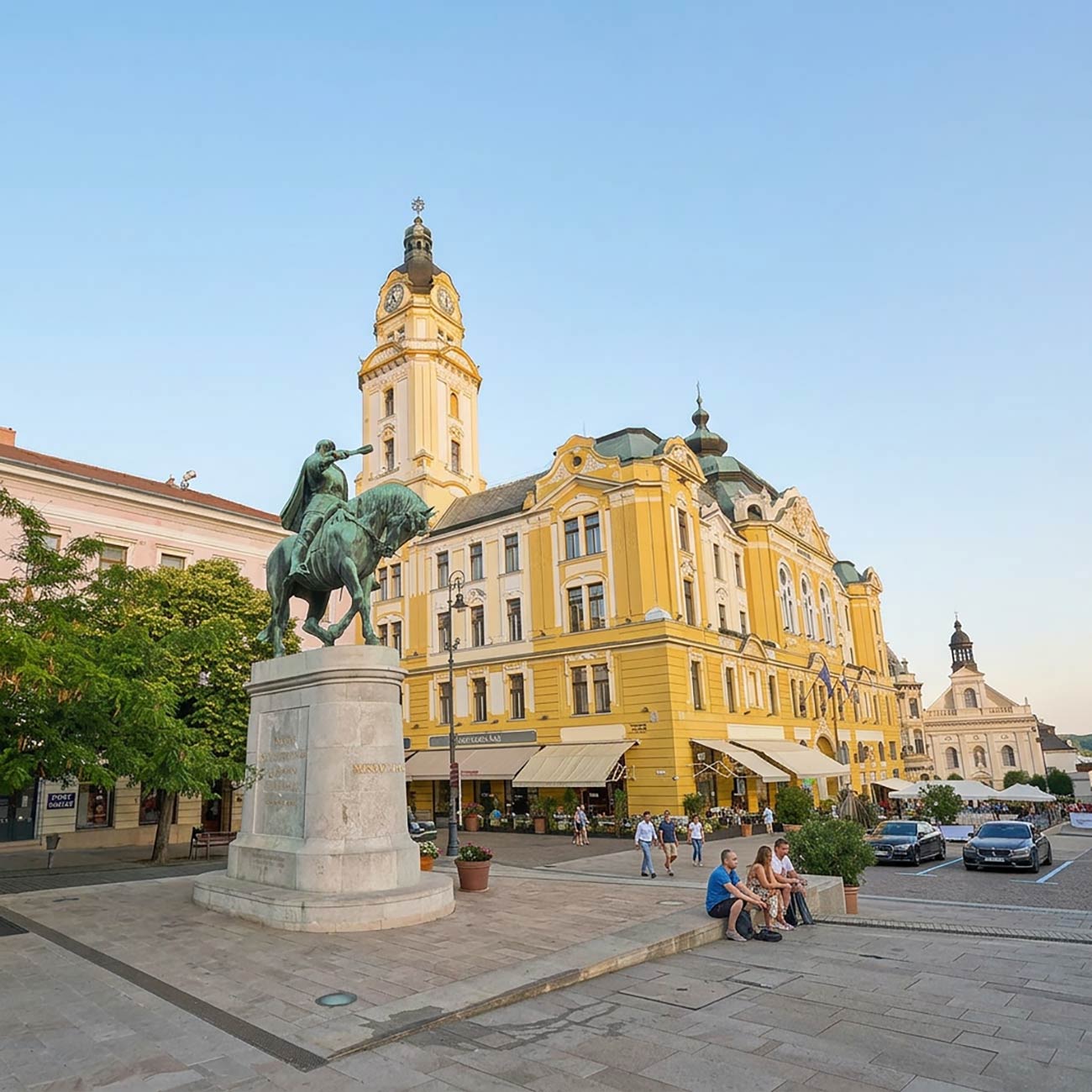
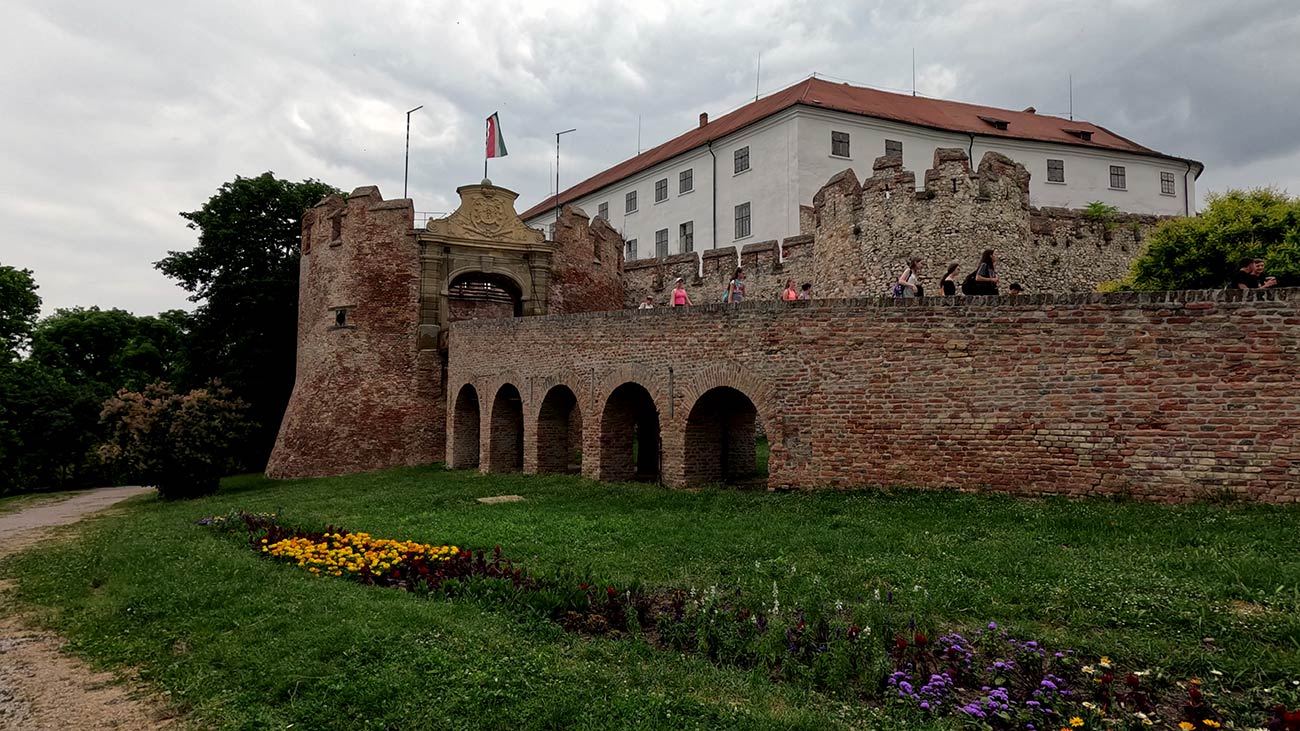
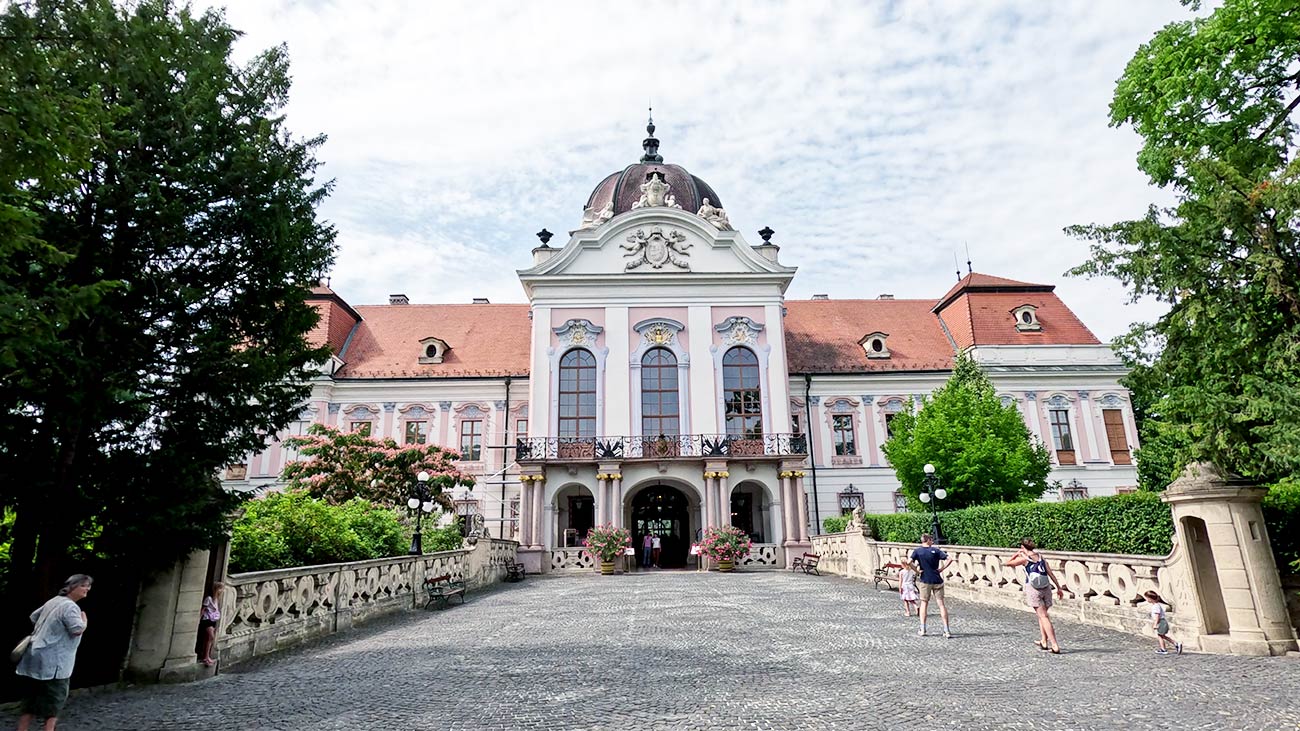
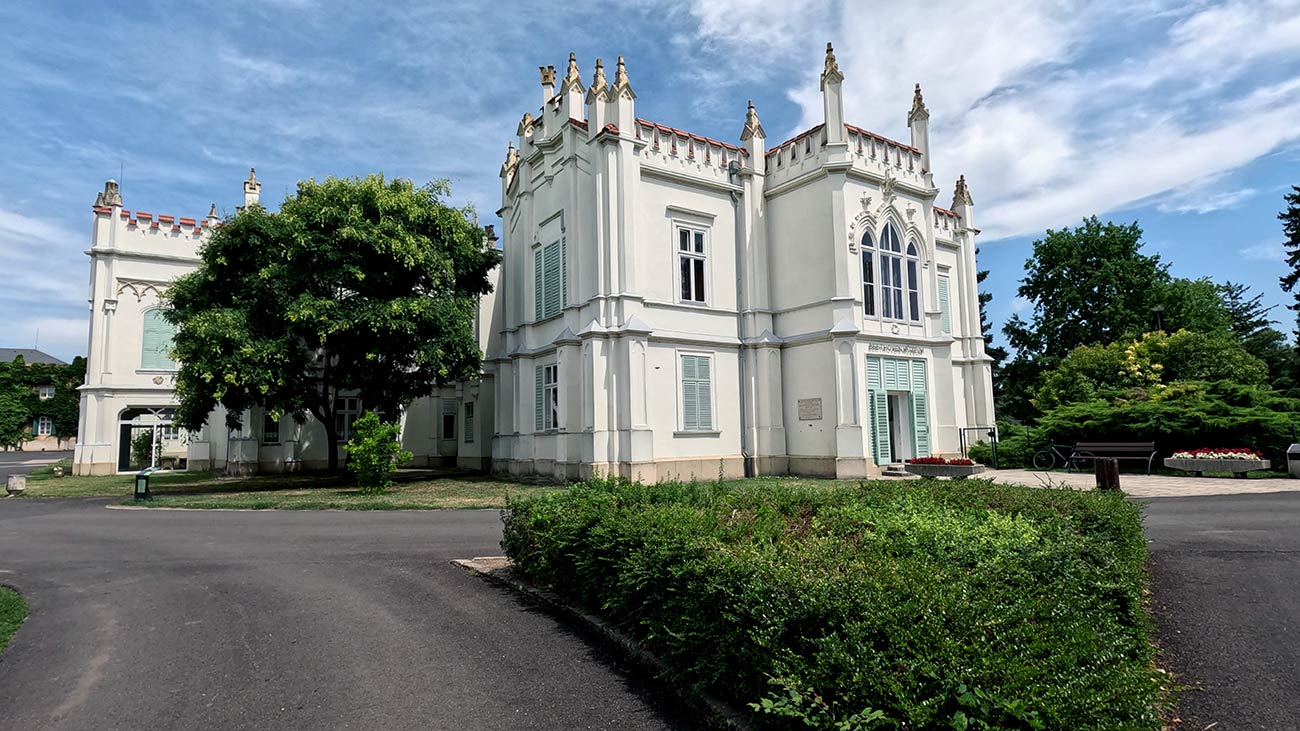
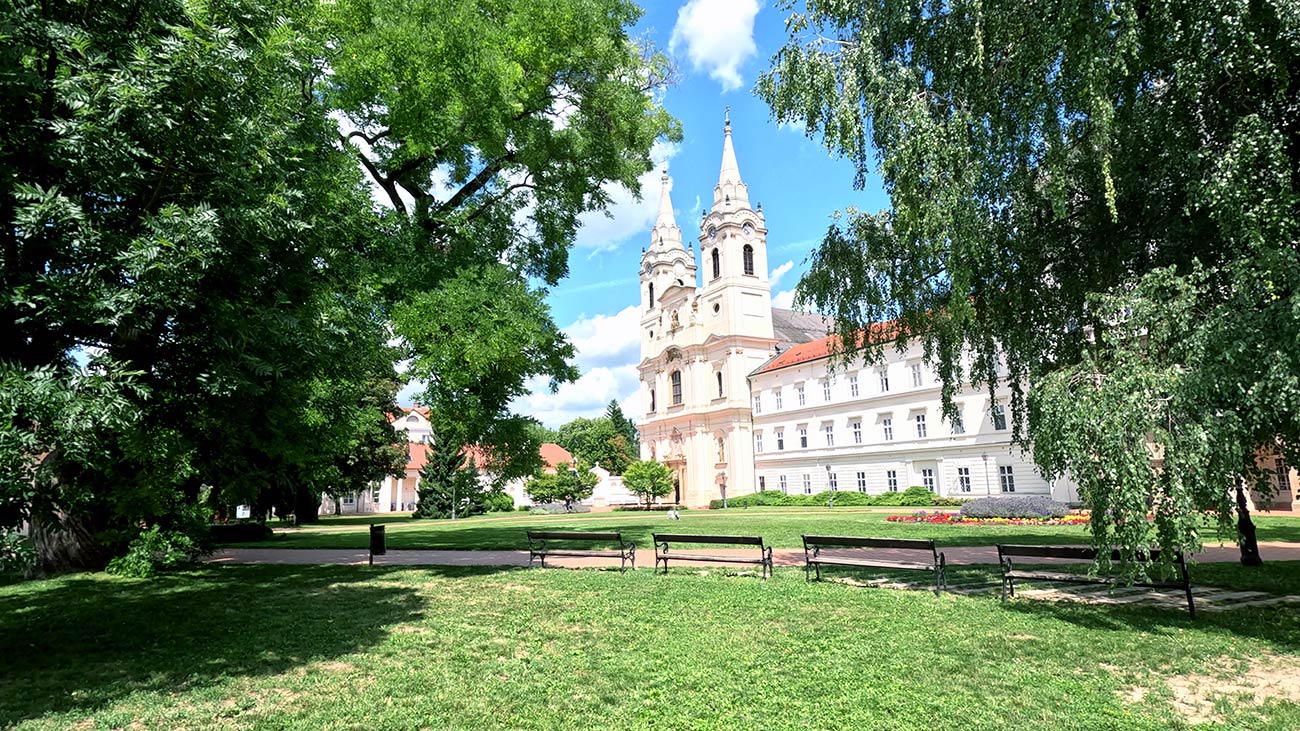
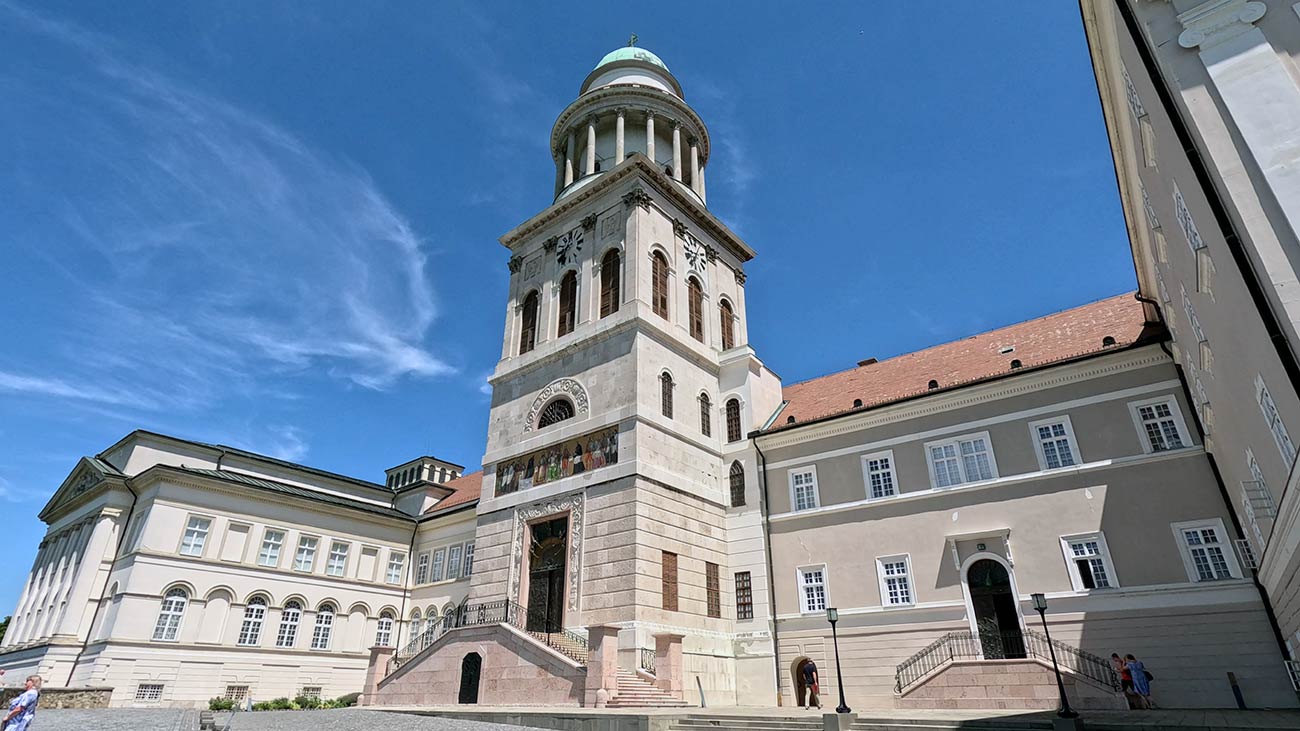
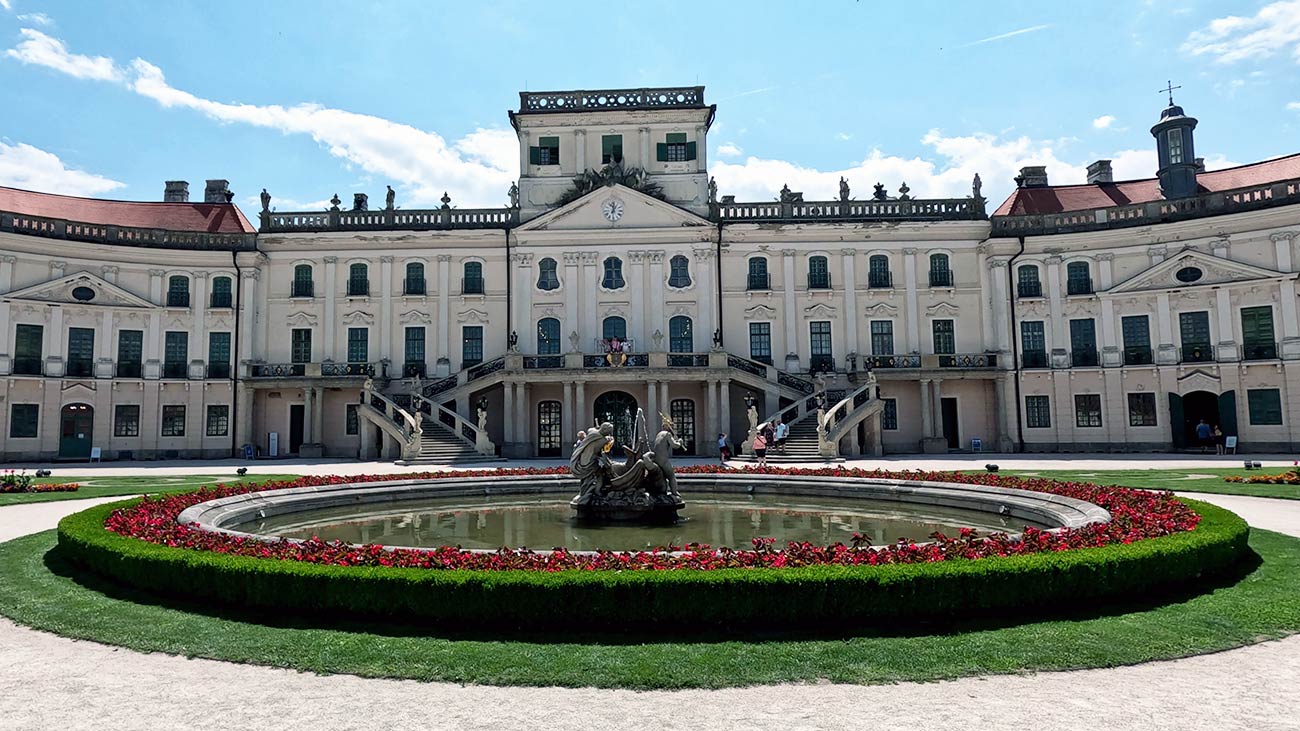
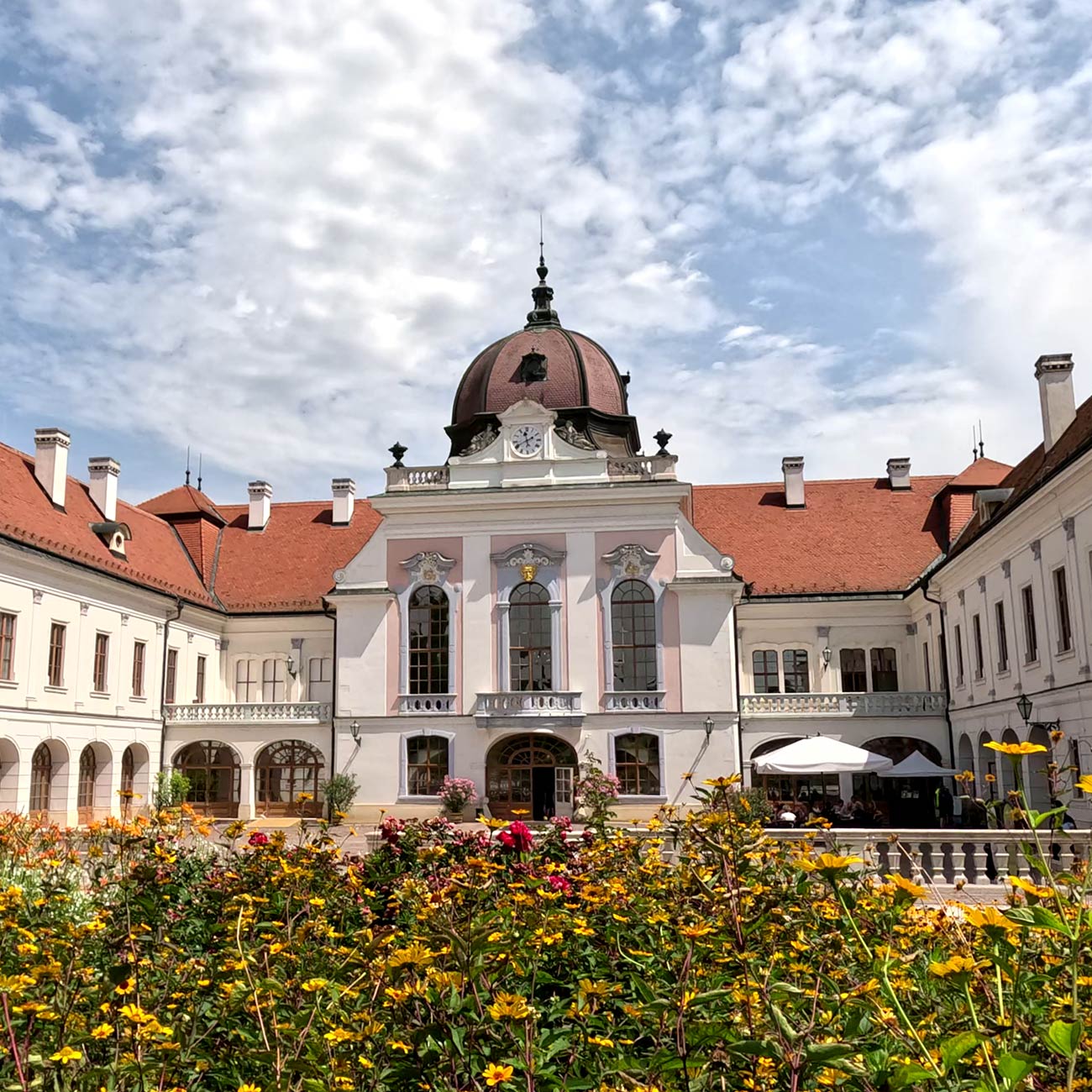
Hungary’s position at the centre of the Pannonian Basin also means that the EuroVelo 6 corridor here sits at the hub of a dense, reliable rail network, radiating outward from Budapest in every direction. This makes inland detours unusually easy to organise: a single train from the river can reach a hilltop abbey, a Baroque palace, a Roman-era city, or a steppe lake within an hour or two, and the same line brings you back to the Danube the same evening. The range of what is accessible from the route, from the thousand-year-old monastery at Pannonhalma to the Ottoman mosque in Pécs, from the royal apartments of Gödöllő to the warm shallow waters of Lake Velence, is broader here than in almost any other country along the EuroVelo 6.
The sections below begin with a practical overview of bicycle transport options on Hungarian trains and buses, followed by a map of inland destinations accessible to cyclists by public transport, and individual destination cards with photographs for each location.
Cycling & Public Transport
Below you will find a structured overview of public transport options available for cyclists, including key practical details on how bicycles can be carried on trains, buses, and other services. These notes are intended to help you understand the different possibilities for combining cycling with public transport, and to make it easier to plan flexible connections along your route depending on operator rules, capacity, and local conditions.
Hungarian Trains
The rail network in Hungary is operated mainly by MÁV-START, the passenger arm of the Hungarian State Railways (Magyar Államvasutak), which runs most long-distance services and a large share of regional connections across the country. Alongside MÁV-START, the private operator GySEV / Raaberbahn (Győr-Sopron-Ebenfurti Vasút) runs cross-border lines in the western part of the country toward Austria, while a smaller number of regional operators run local and feeder lines on selected routes. All operators are fully integrated into the national rail system, so transfers between them are straightforward. The Hungarian rail network is organised around Budapest, with high-frequency InterCity and EuroCity services radiating out from the capital toward Lake Balaton, the Croatian border, the Carpathian foothills, and the eastern plains, alongside a dense network of regional and local services. The Danube region in Hungary is particularly well served by rail, with the main north-south corridor running close to the river from the Slovak border through Budapest and onward toward Mohács, and several east-west lines branching out to inland destinations. The MÁV app is the central tool for planning journeys, checking timetables, and purchasing tickets across all services, including both regional and long-distance trains.
Taking your bike
Hungary is generally very bike-friendly when it comes to rail transport, especially on regional services operated by MÁV-START, which form the core of mobility for cycle touring along the Danube and its connecting corridors. On regional and local trains, bicycles can be taken on board for an additional fee, with no advance reservation possible and a first-come, first-served allocation of space. Bicycle tickets are sold as single trips or as affordable daily or weekly passes, valid across the regional network. On long-distance services such as InterCity and EuroCity trains, an advance reservation for the bicycle is mandatory, with the bike spaces located in dedicated zones in second-class carriages. The private operator GySEV / Raaberbahn, which runs cross-border services in the western part of the country, also accepts bicycles on board with broadly similar rules. Folding bikes are carried free of charge as hand luggage on all operators, provided they fit in the luggage racks. Overall, the Hungarian rail system is well adapted to cycle tourism and offers a flexible combination of train and bike that makes it easy to leave the EuroVelo 6 route in either direction for short or extended detours.
Bikes on Buses
Long-distance bus services in Hungary are primarily operated by Volánbusz, the national coach operator now consolidated under the MÁV group, alongside FlixBus and a smaller number of regional and private operators on selected international and domestic routes. The long-distance bus network is unusually well developed by central European standards, with frequent connections from Budapest to all the major regional centres and a dense web of services across the countryside that complement and sometimes overlap with the rail network. Bicycle transport is available on certain FlixBus connections, either via external bike racks or in the luggage compartment, but it is not consistently guaranteed across the network and depends on the specific vehicle type and route configuration. Where available, bicycle transport must be reserved in advance and capacity is limited, making it less flexible compared to rail services. Volánbusz coaches generally do not carry assembled bicycles, although folded or packed bikes may be accepted as luggage on a case-by-case basis. As a result, buses are generally used as a secondary option for cyclists, mainly for longer-distance repositioning between major cities rather than as a core part of cycling itineraries along the Danube region. While useful in specific cases where rail connections are less convenient, they are less predictable and less standardised for bicycle transport, so advance planning is essential.