Germany
Reading time: 5 minutes
Germany is where the EuroVelo 6 begins its long journey toward the Black Sea, and the opening stretch sets a tone that few other sections of the route can match for sheer variety of landscape. The Danube rises modestly near Donaueschingen in the Black Forest, runs east through the gentle, vineyard-covered hills of Baden-Württemberg, passes through the old imperial cities of Ulm and Ingolstadt, and reaches Passau at the Austrian border, where it meets the Inn and the Ilz in one of the most celebrated river confluences in Europe. Along the way, the character of the river changes almost constantly: from a narrow, half-hidden stream in the Swabian countryside to a wide, confident waterway carrying barge traffic through the Bavarian lowlands.
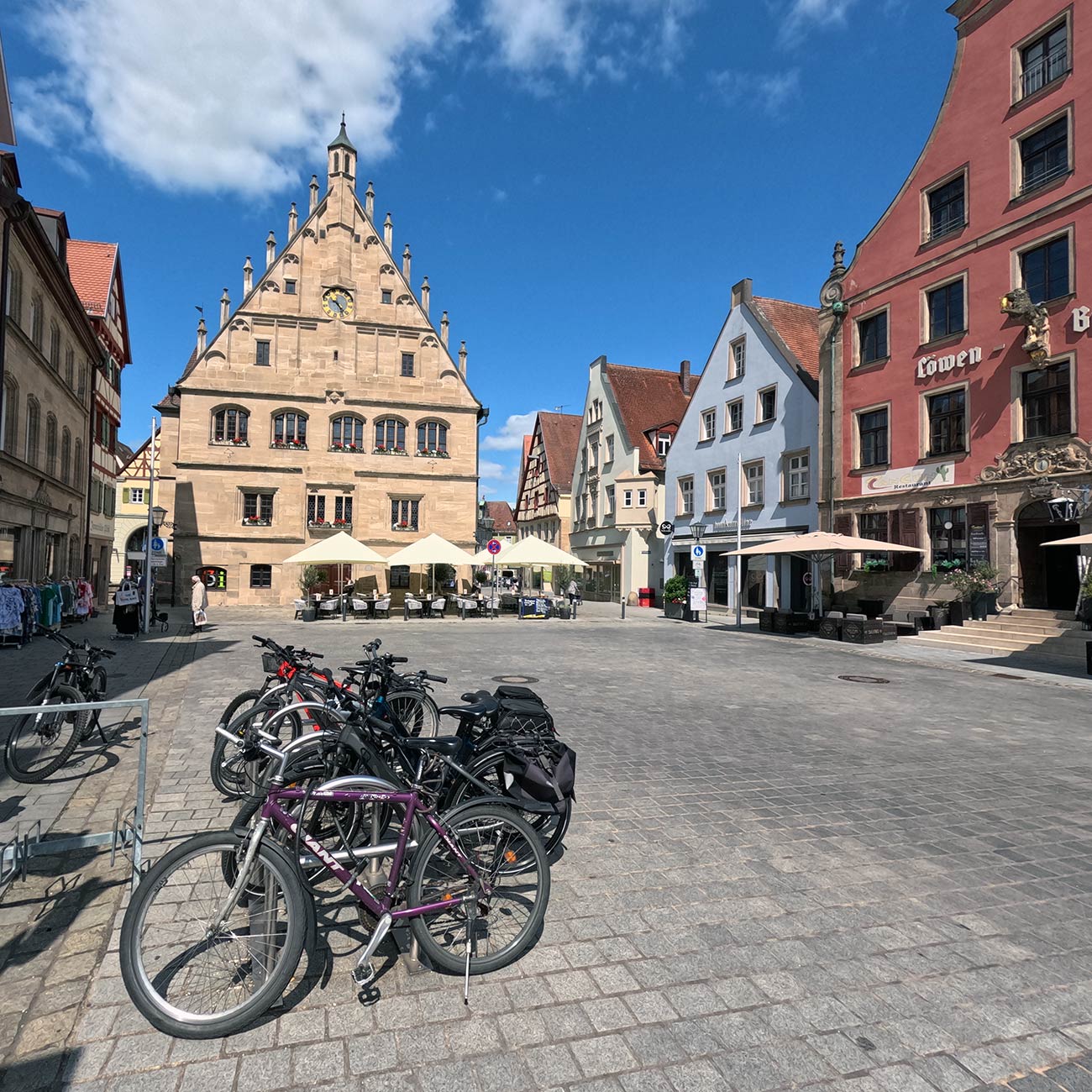
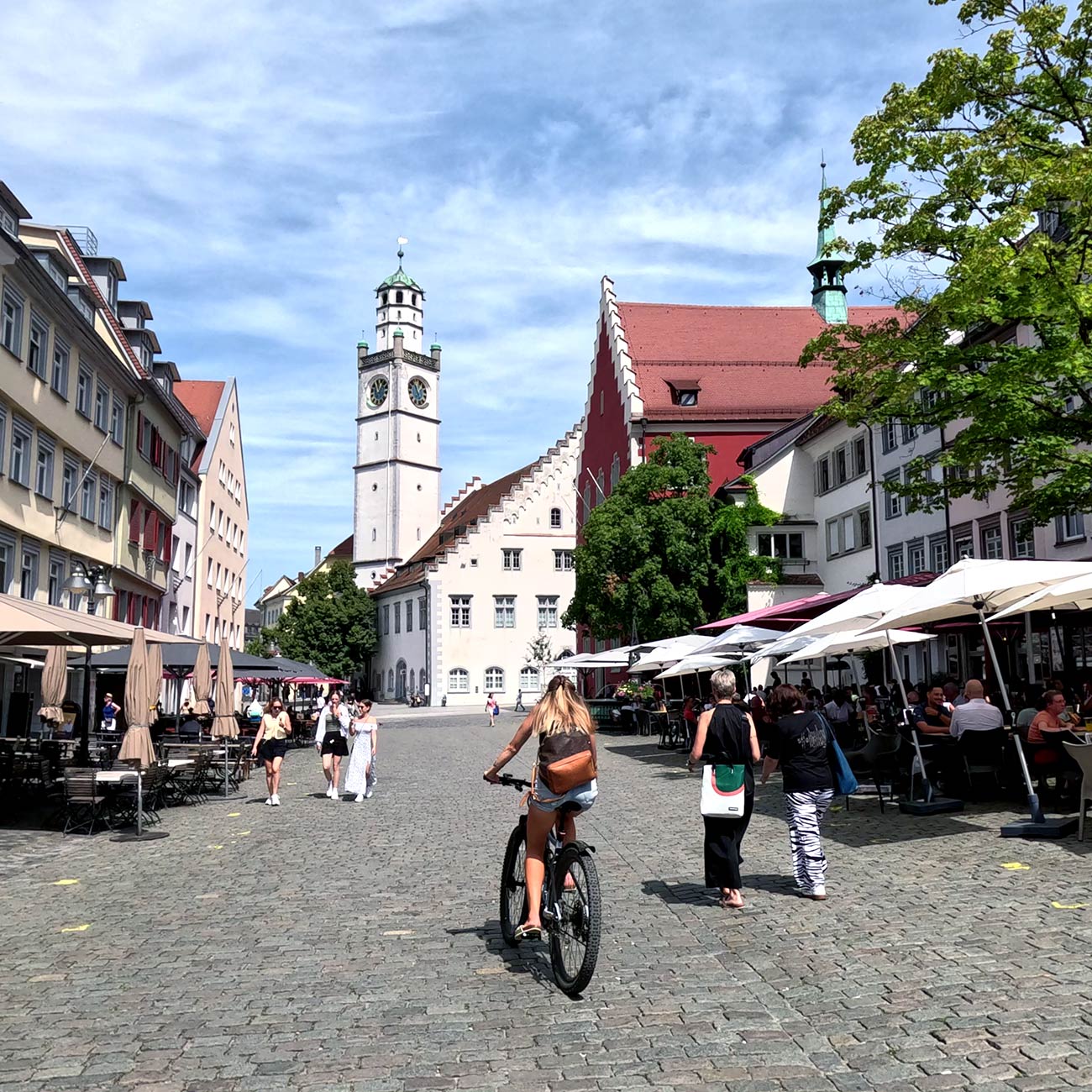
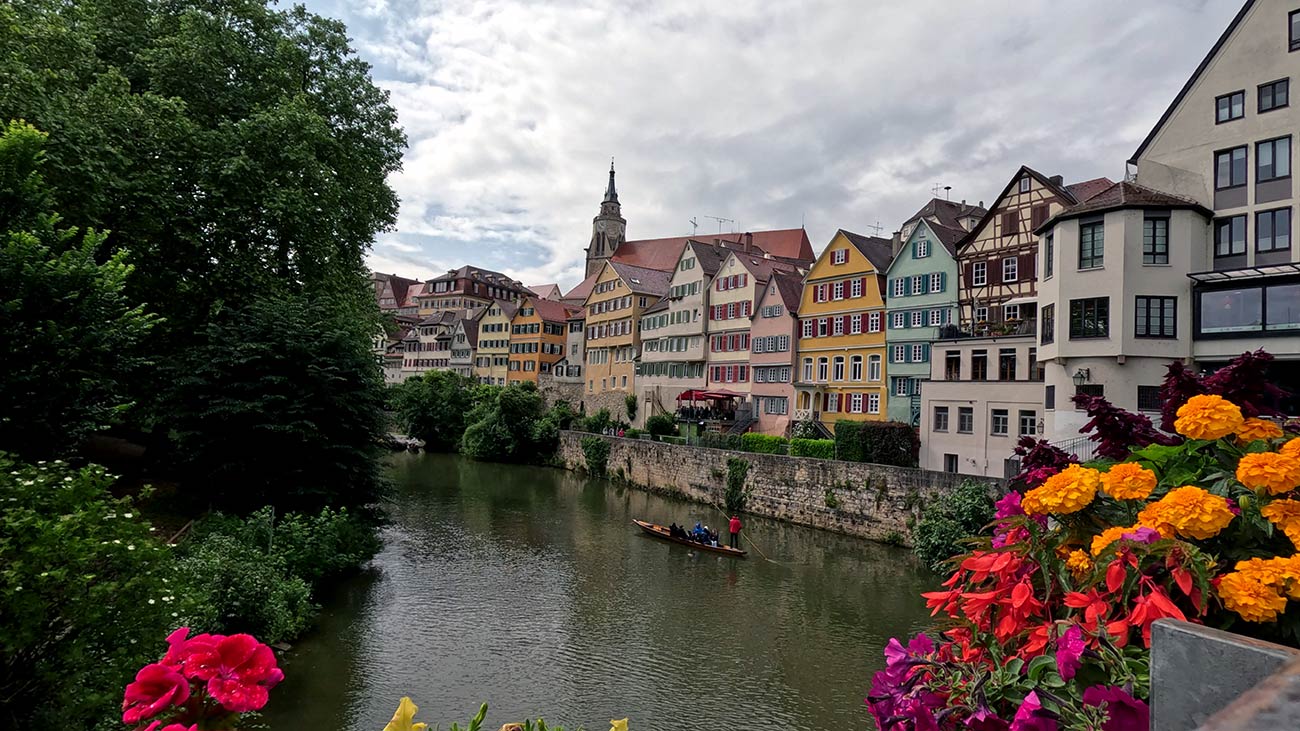
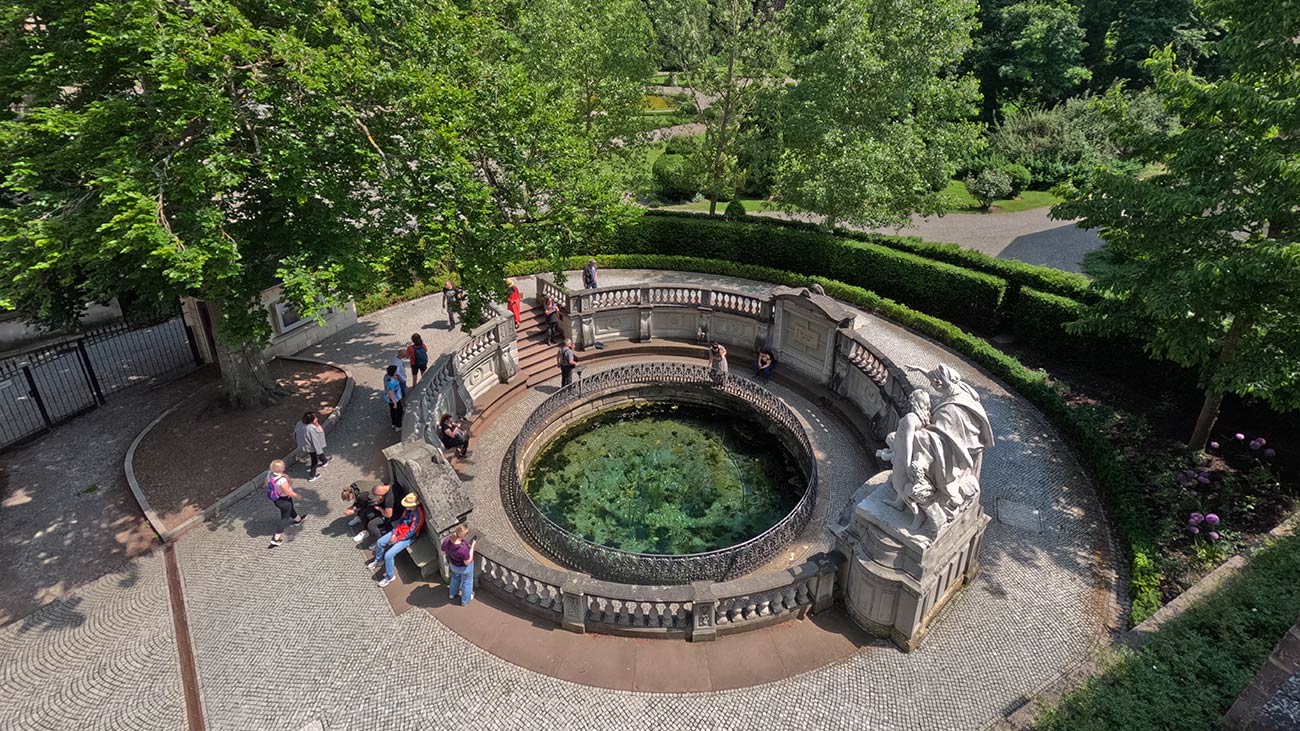
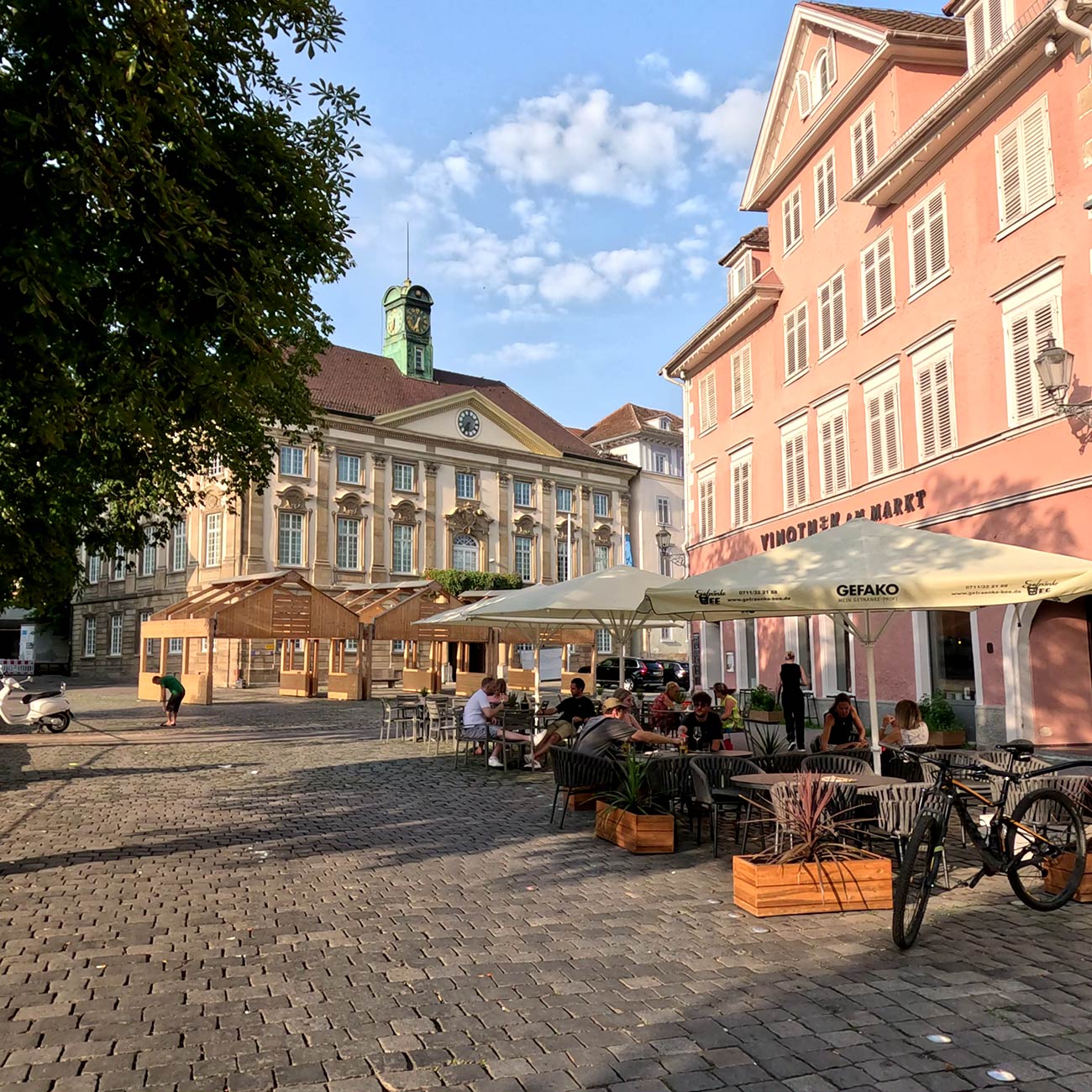
The German stretch of the EuroVelo 6 passes through two of the country’s most distinctive federal states. Baden-Württemberg, in the south-west, combines the wooded uplands of the Swabian Alb with a string of medieval and Renaissance towns whose half-timbered centres have survived largely intact: places where a single main square can hold a Gothic church, a Renaissance town hall, and a Baroque fountain within a few steps of each other. Further east, Bavaria opens up into broader, flatter farmland, with larger cities, older brewing traditions, and the foothills of the Alps visible on the southern horizon on clear days. The Danube Cycle Path through Germany, one of the oldest and best-established long-distance cycling routes in Europe, is superbly signposted and maintained throughout, with dedicated cycling infrastructure, frequent rest stops, and a density of accommodation along the route that makes daily planning unusually straightforward.
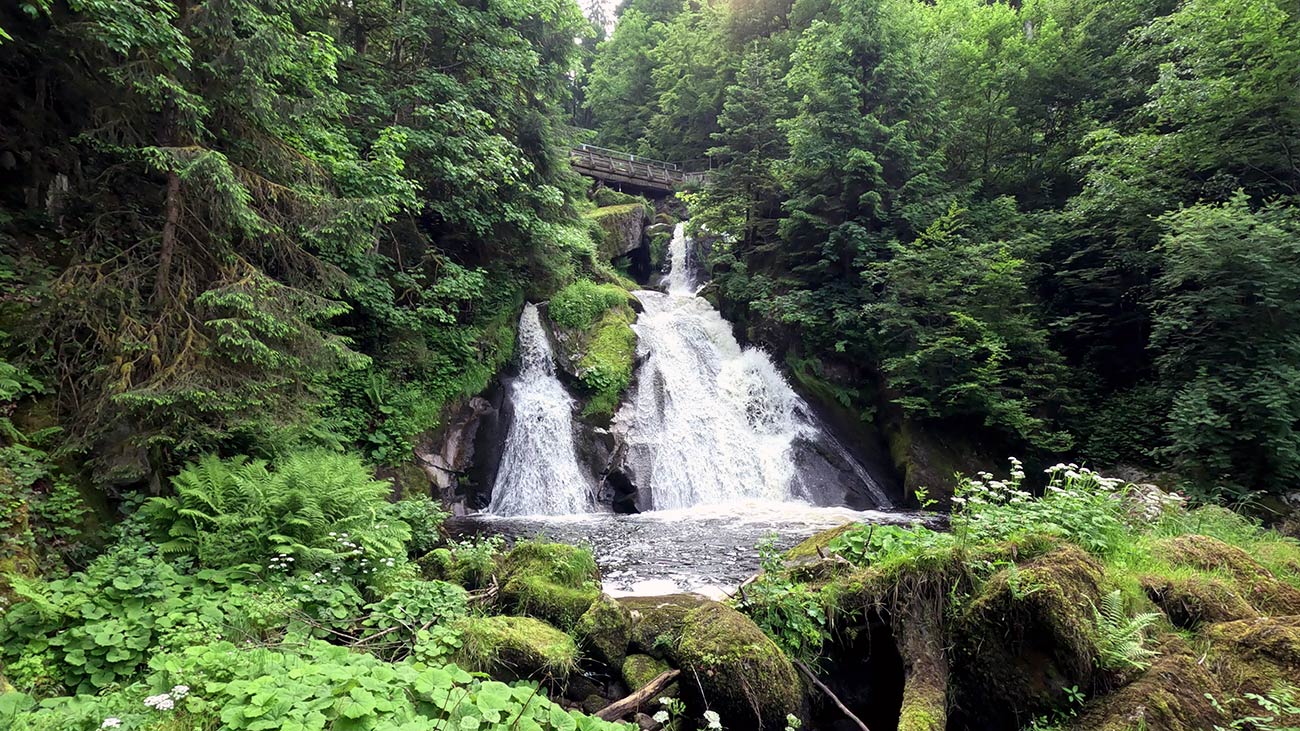
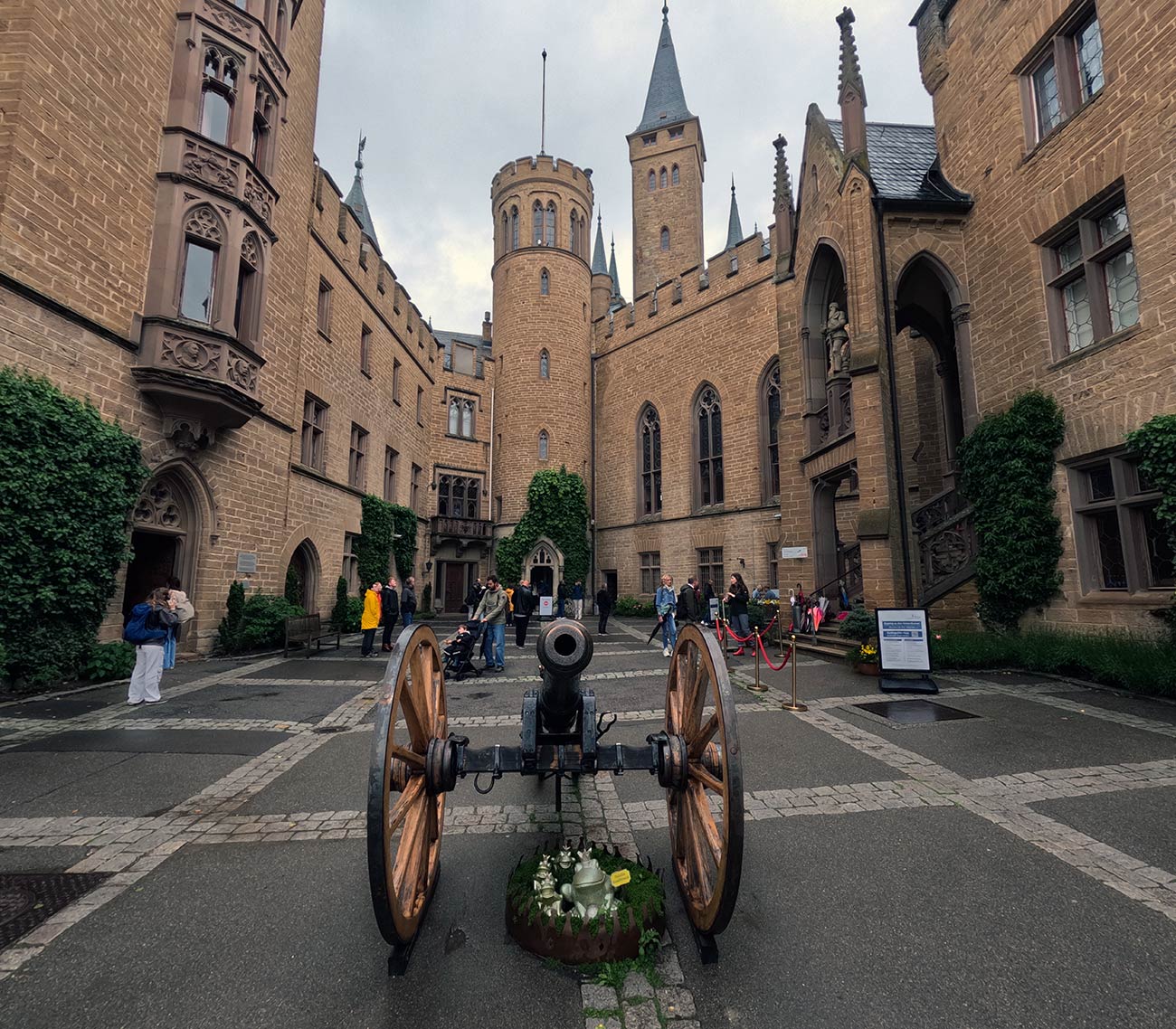
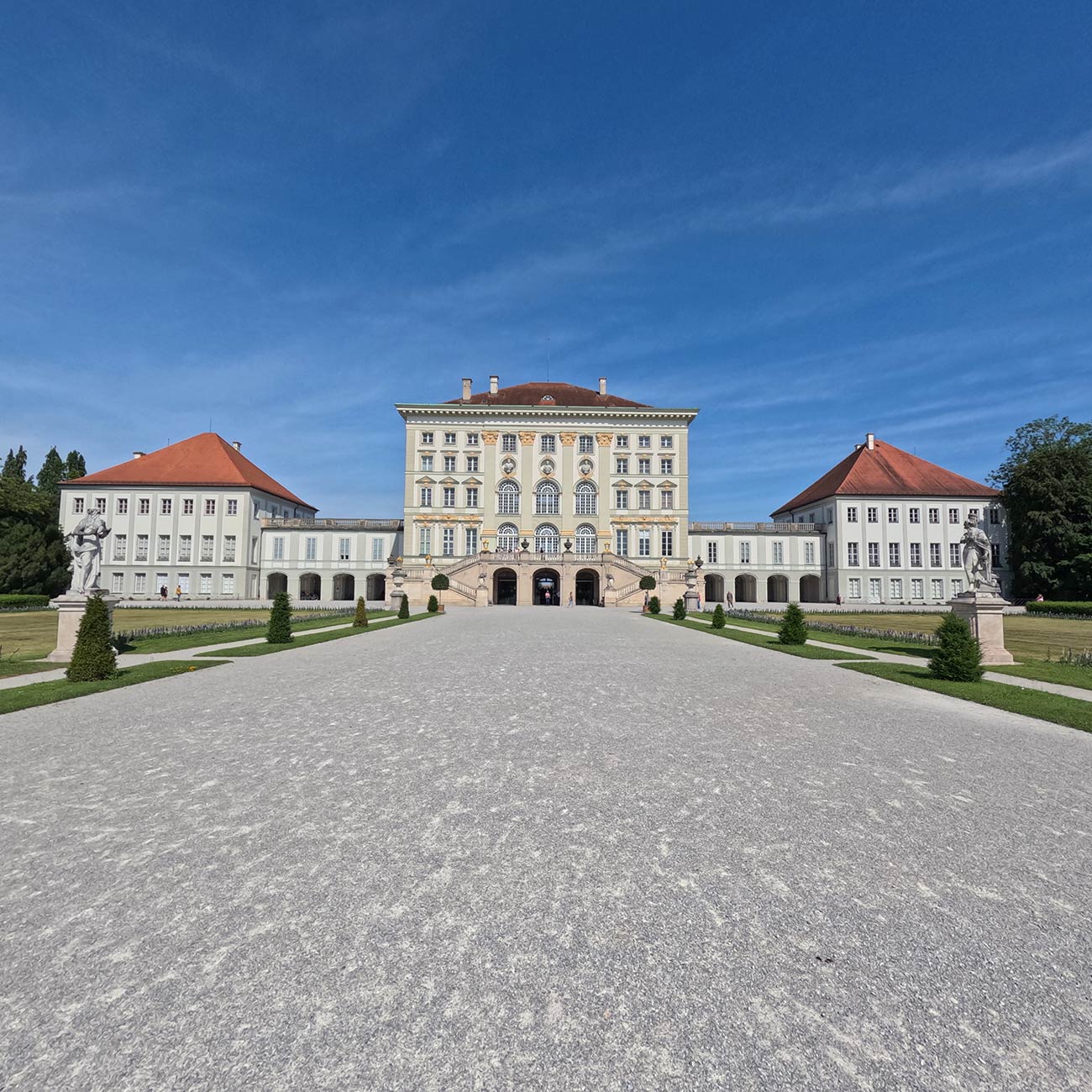
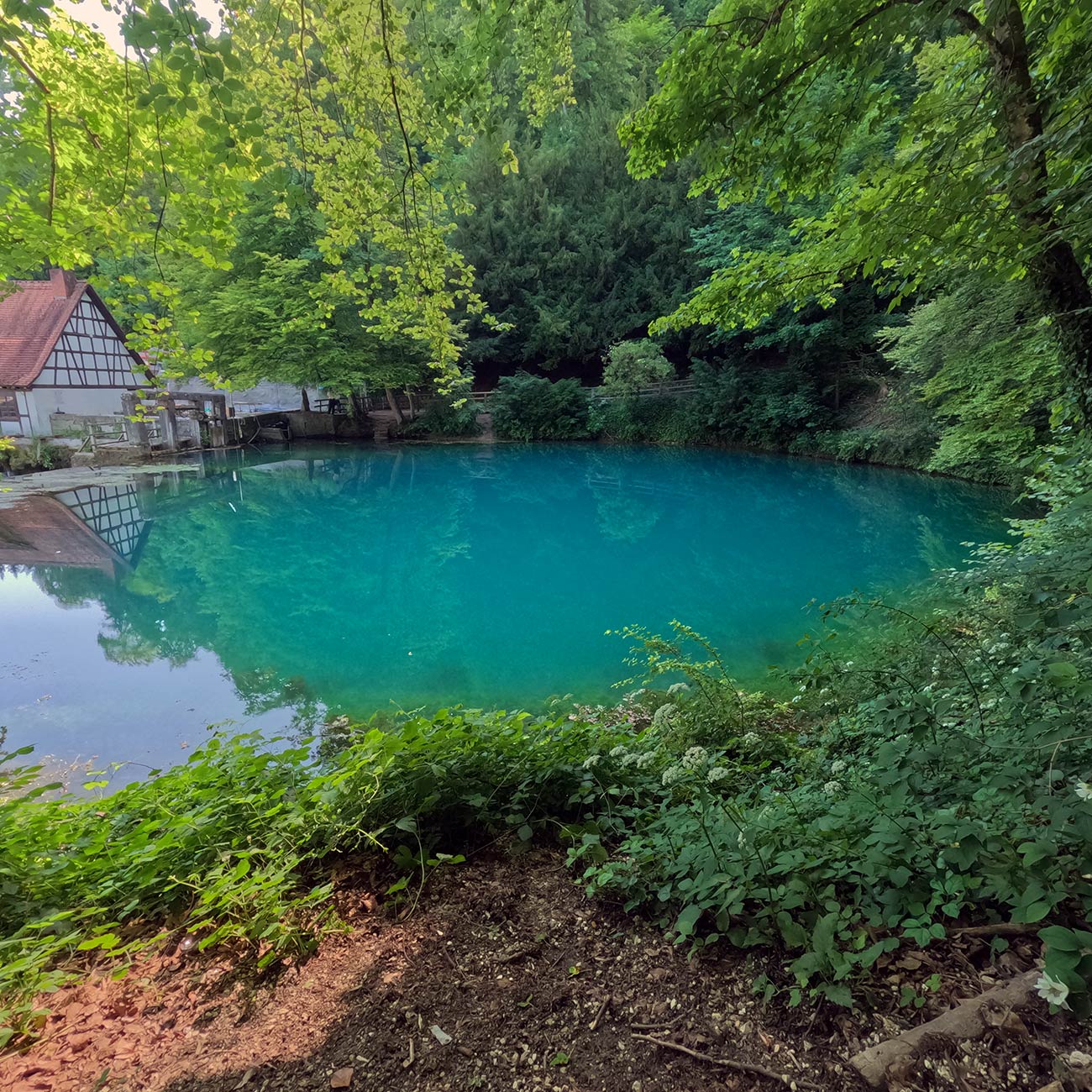
From the main towns along the German Danube, a dense network of Deutsche Bahn regional and S-Bahn services branches out in every direction, reaching destinations that range from a waterfall in the Black Forest to a Roman fort on the Limes, from a Rococo library in a rural abbey to a Zeppelin museum on the shores of Lake Constance. Baden-Württemberg in particular offers cyclists one of the most generous bicycle policies in the country, with free bike carriage on regional trains during off-peak hours, making short inland detours not just easy to organise but effectively free. The variety of what can be reached within an hour of the route is one of the defining features of the German stretch: medieval university towns, island gardens, lakeside promenades, cave systems, and half-timbered market squares, all connected by a rail system that treats cyclists as welcome rather than inconvenient passengers.
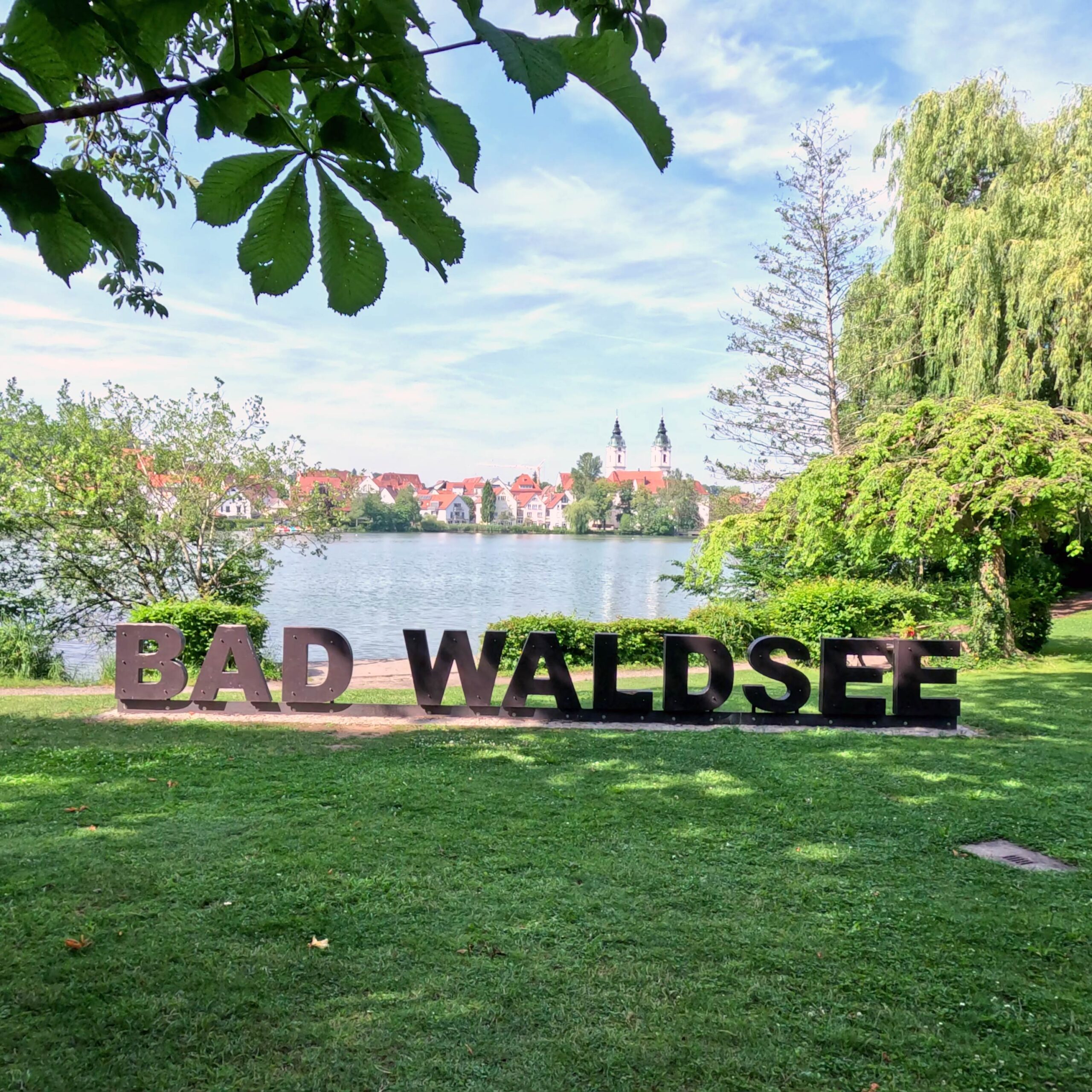
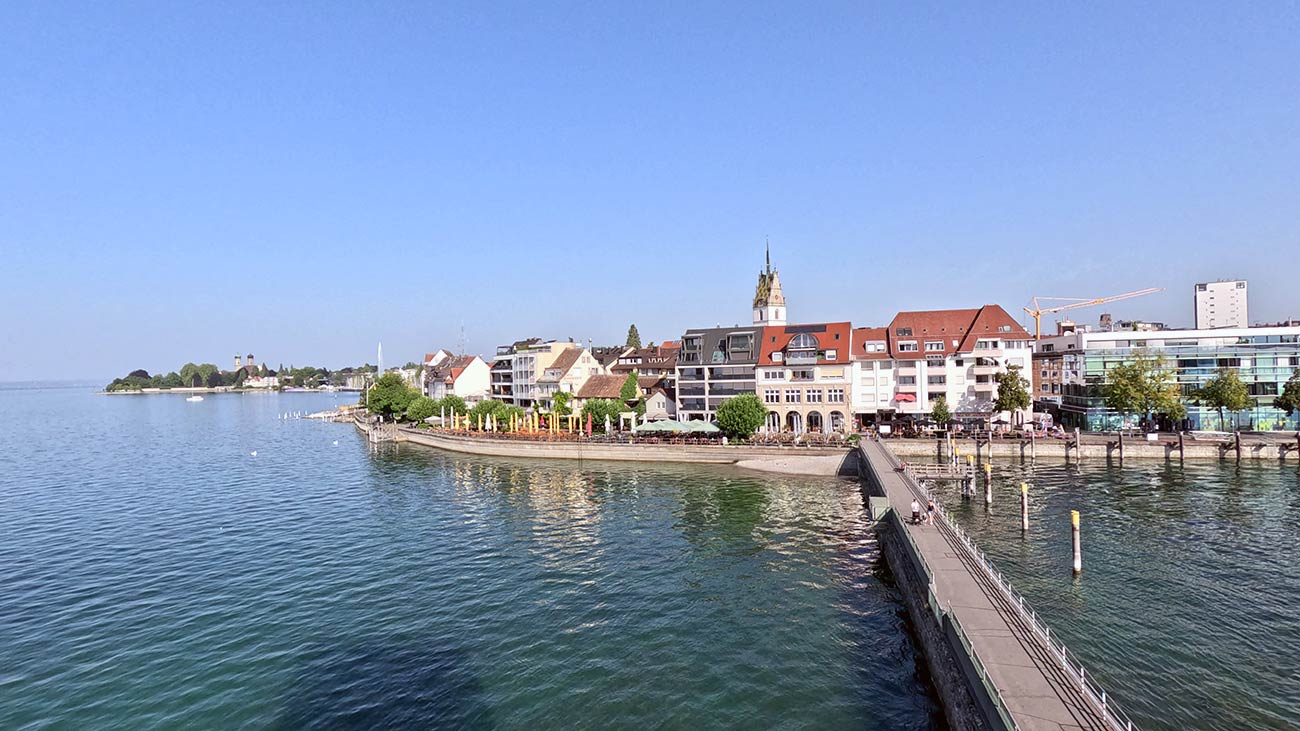
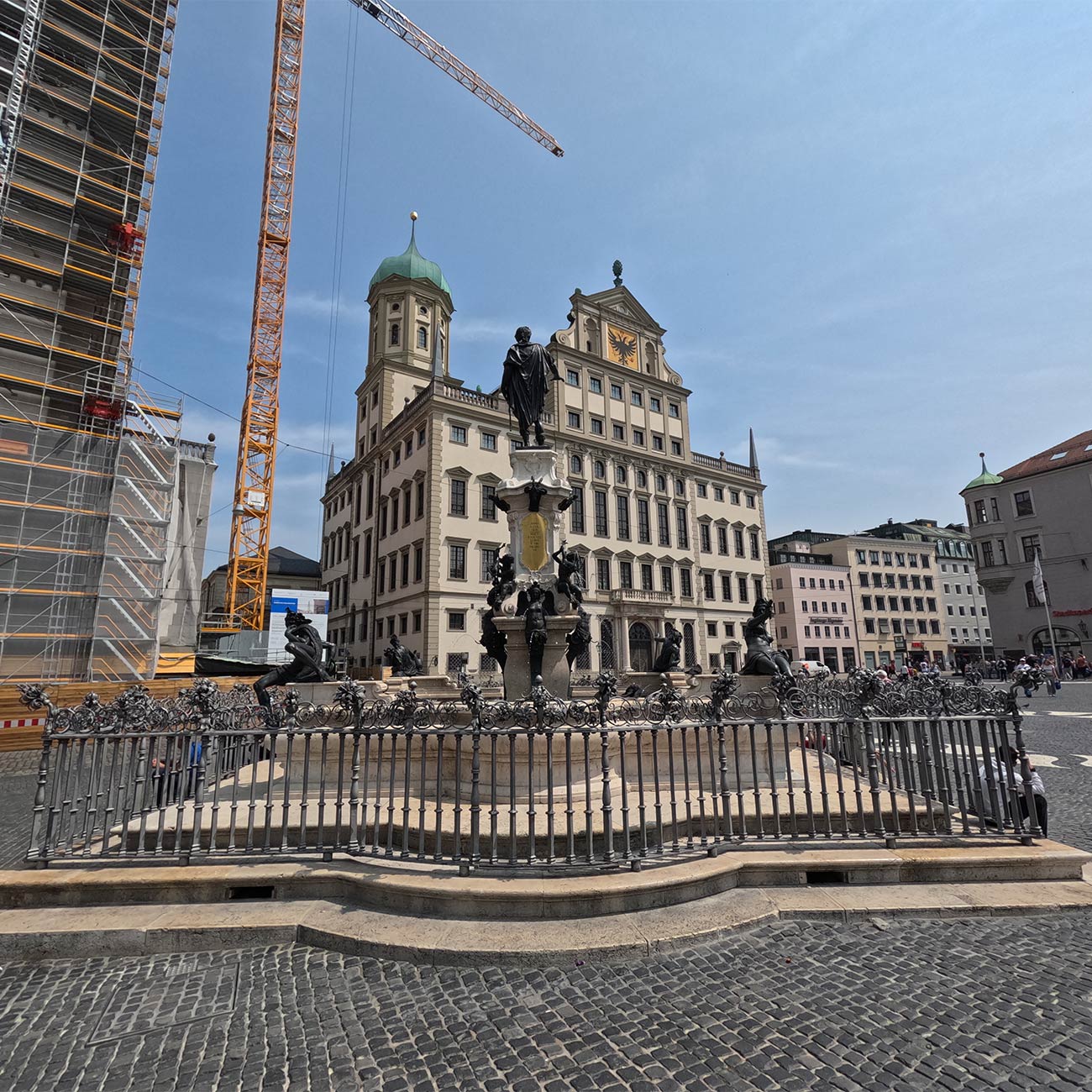
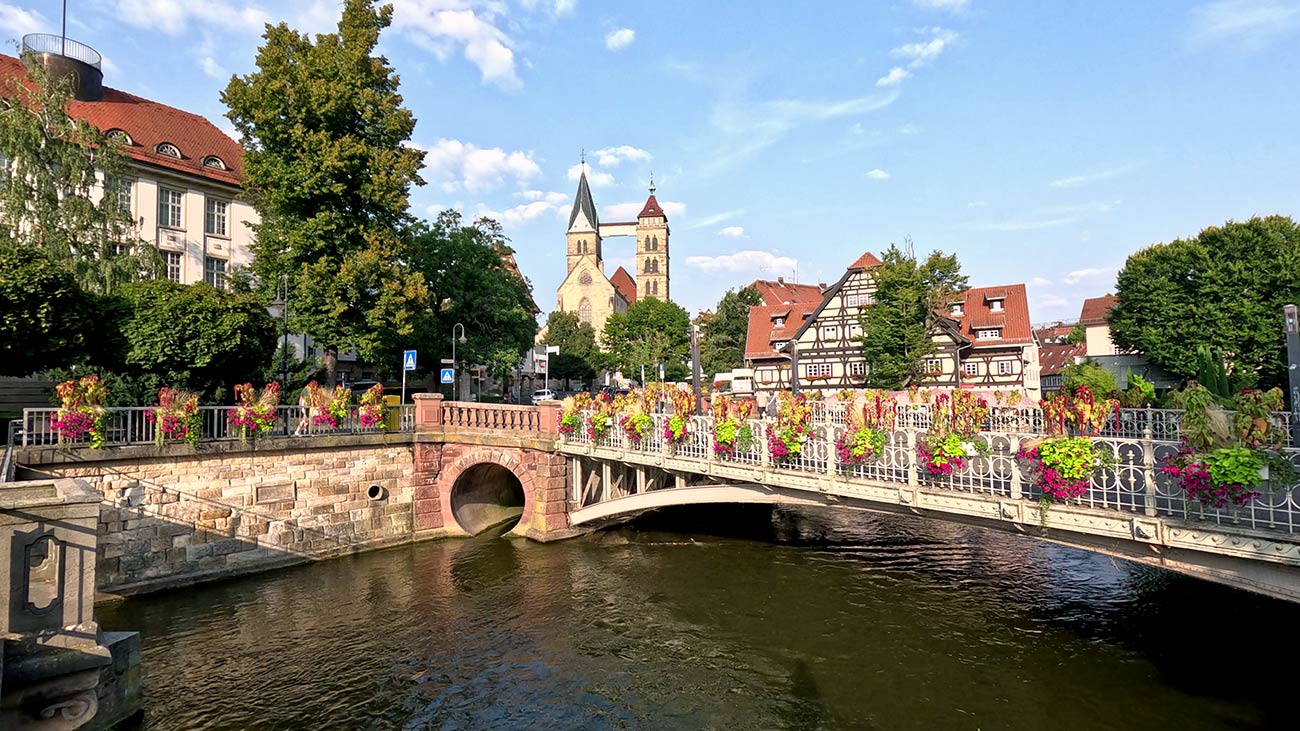
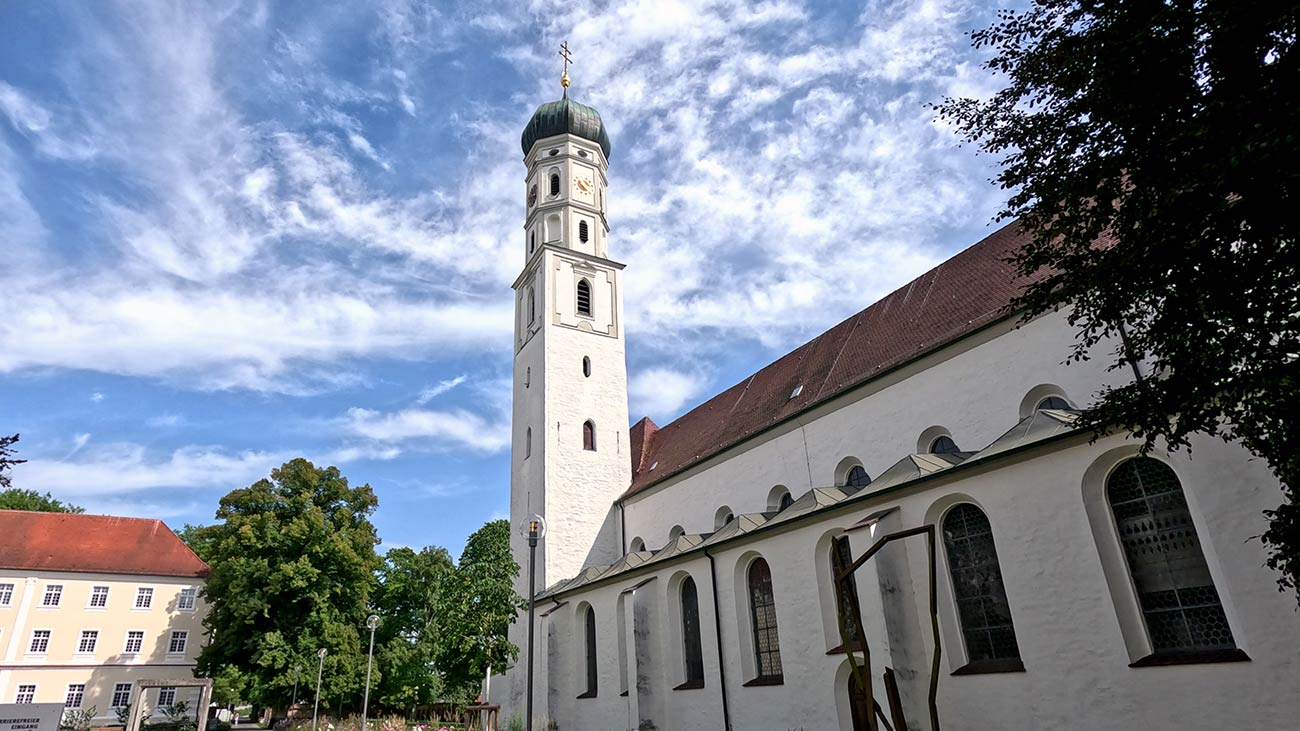
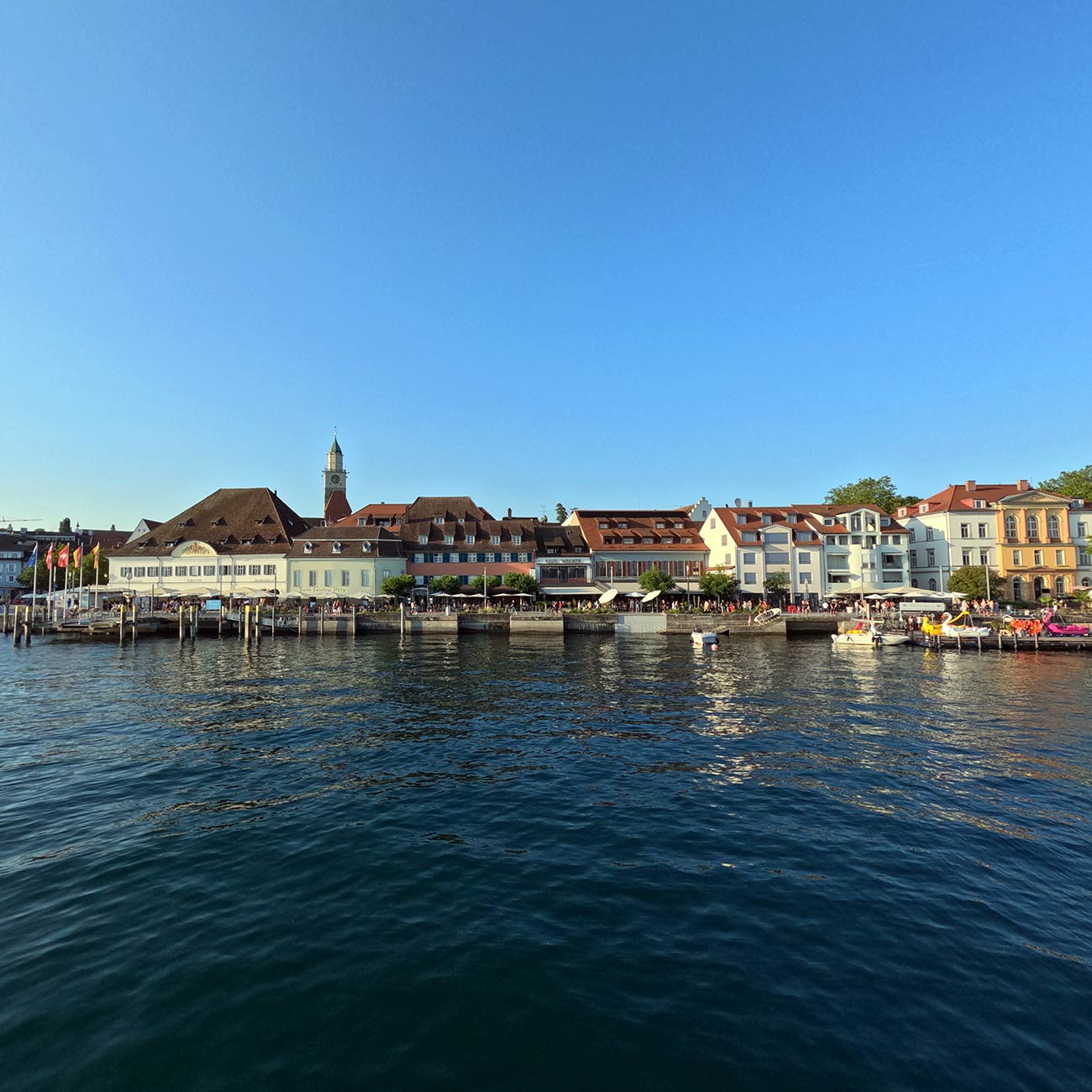
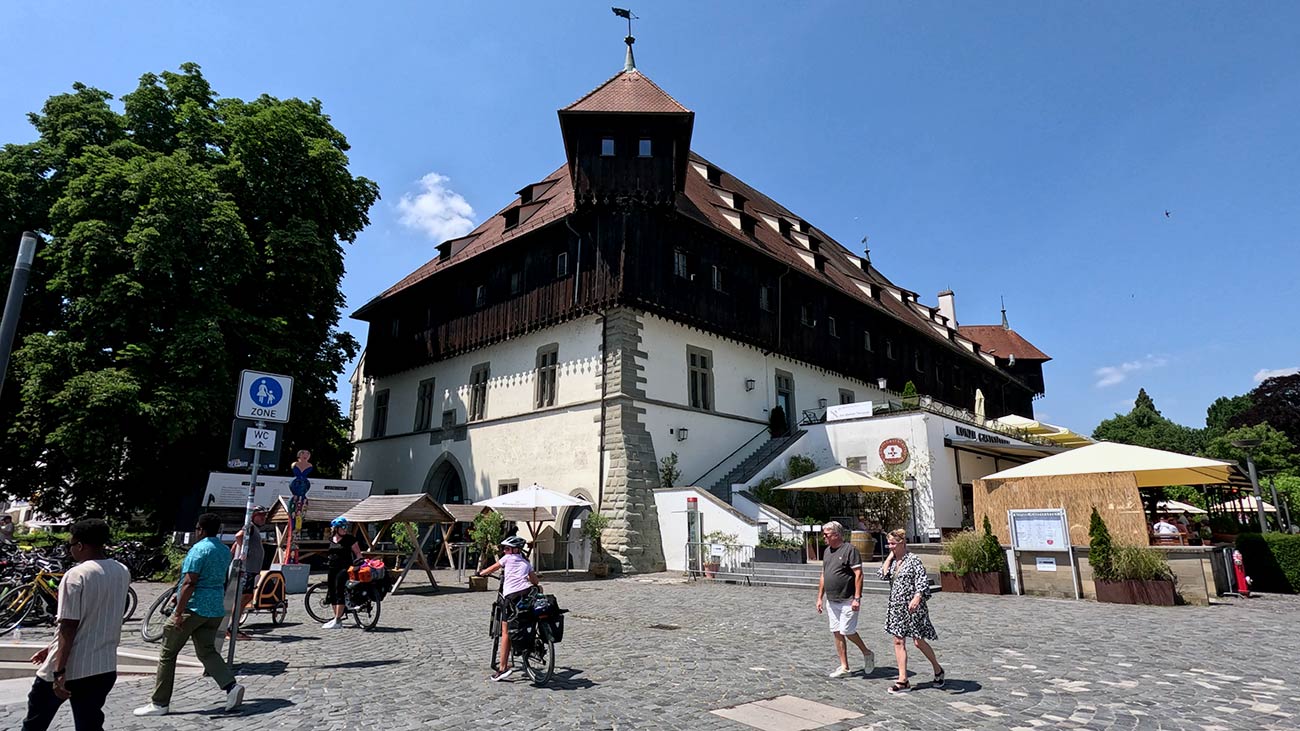
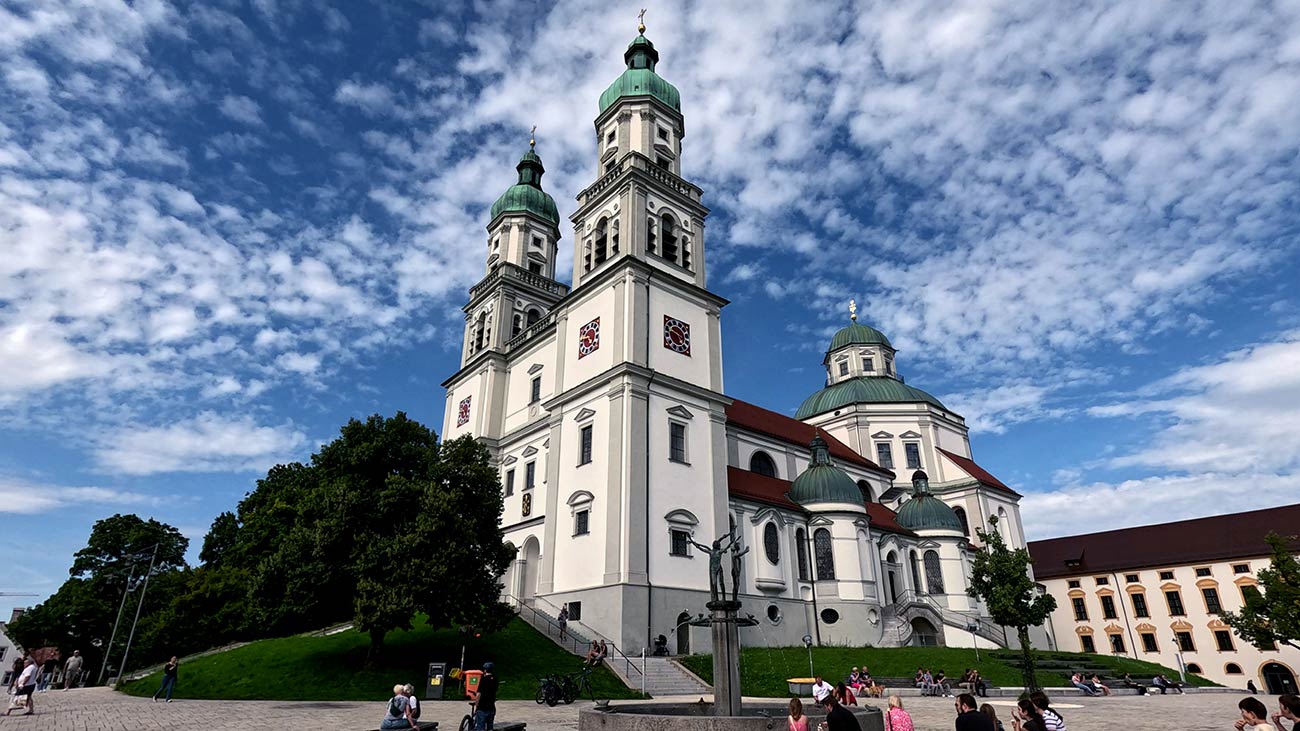
The sections below begin with a practical overview of bicycle transport options on German trains and buses, followed by a map of inland destinations accessible to cyclists by public transport, and individual destination cards with photographs for each location.
Cycling & Public Transport
Below you will find a structured overview of public transport options available for cyclists, including key practical details on how bicycles can be carried on trains, buses, and other services. These notes are intended to help you understand the different possibilities for combining cycling with public transport, and to make it easier to plan flexible connections along your route depending on operator rules, capacity, and local conditions.
German trains
The rail network along the German Danube is operated primarily by Deutsche Bahn (DB), which provides the majority of long-distance services as well as extensive regional connections throughout the river corridor. In addition to DB, a range of regional rail operators run local and feeder services on selected routes, all fully integrated into the wider national transport system, ensuring smooth connections across different service providers. This integrated setup allows for easy transfers and consistent ticketing across most journeys. The DB Navigator app serves as the main tool for route planning, timetable information, and ticket purchases across all operators. During the main cycling and tourism season, selected regional lines also offer increased bicycle capacity, making it more convenient to combine rail travel with cycling along the Danube route.
Taking your bike
This part of Germany is generally very bike-friendly when it comes to rail transport, especially on regional trains, which form the core of mobility for cycle touring along the Danube and Neckar corridors. Most regional services allow bicycle transport without mandatory reservation, although space is limited and operates on a first-come, first-served basis. A separate bicycle ticket is typically required during weekday morning peak hours, or it can be purchased as an affordable regional day pass, while outside peak periods and on weekends bicycle transport is often free across large parts of Baden-Württemberg. Long-distance trains such as IC and ICE require advance bicycle reservations and have limited capacity, so early planning is important for intercity travel. Overall, the system is well adapted to cycle tourism, offering strong flexibility and occasional dedicated bicycle-friendly or seasonal train services that further improve connectivity for travellers leaving the EuroVelo 6 route.
Bikes on Buses
Long-distance bus services in southern Germany are primarily operated by FlixBus, complemented by a smaller number of regional and private coach operators on selected routes. Bicycle transport is available on certain intercity connections, either via external bike racks or in the luggage compartment, but it is not consistently guaranteed across the network and depends on the specific vehicle type and route configuration. Where available, bicycle transport must be reserved in advance and capacity is limited, making it less flexible compared to rail services. As a result, buses are generally used as a secondary option for cyclists, mainly for longer-distance repositioning between major cities rather than as a core part of cycling itineraries along the Danube region. While useful in specific cases where rail connections are less convenient, they are less predictable and less standardized for bicycle transport, so advance planning is essential.