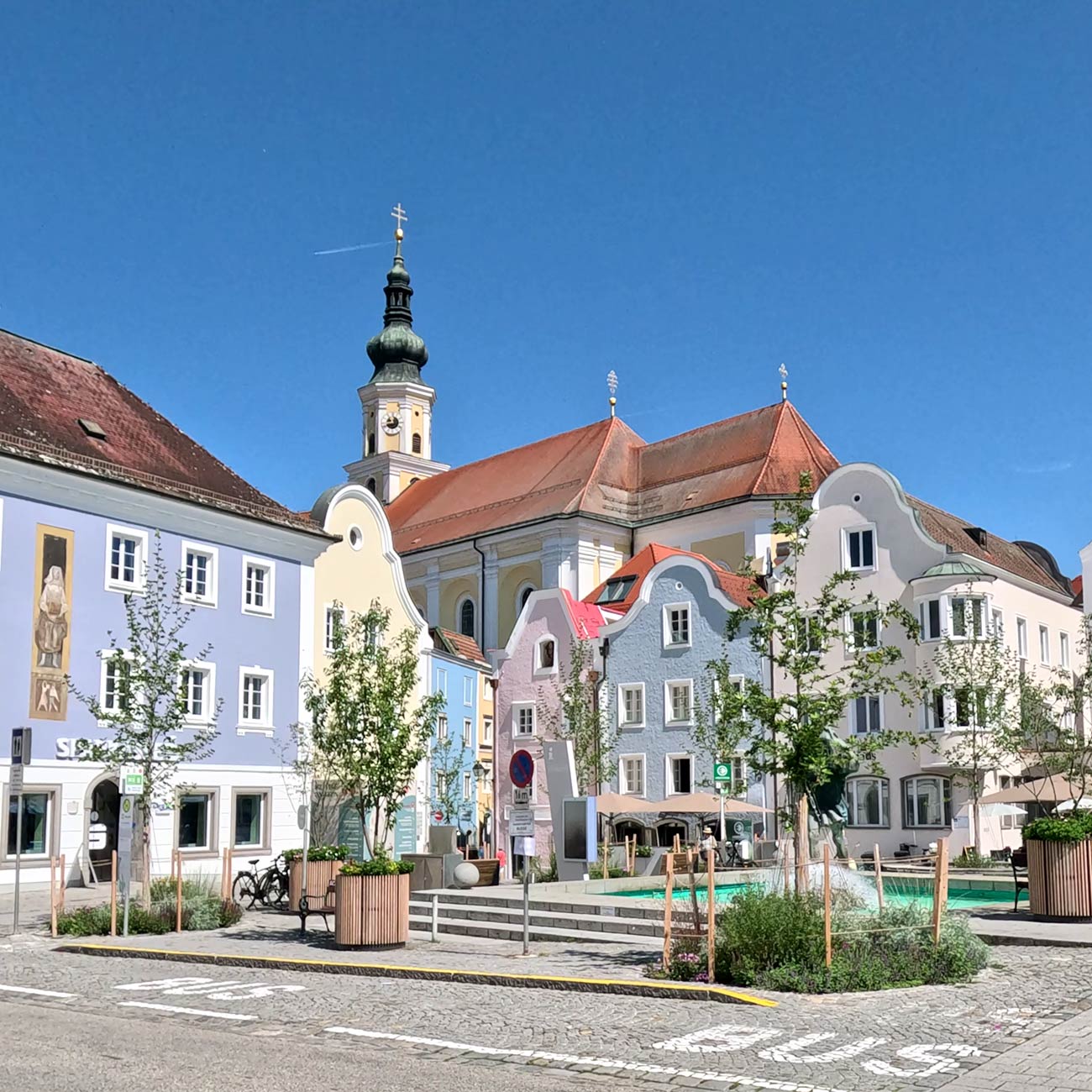
Austria
Reading time: 7 minutes
Austria is the country where the EuroVelo 6 finds its most celebrated rhythm, the stretch that many long-distance cyclists regard as the finest section of the entire route. The Danube enters from Germany at Passau, immediately widens into a mature, confident river, and flows east through a sequence of landscapes that have defined the Austrian imagination for centuries: the forested gorges of the upper Danube, the terraced vineyards and ruined castles of the Wachau Valley, the gentle farmland of Lower Austria, and finally the grand riverfront of Vienna, where the route passes through the heart of one of Europe’s great capital cities before continuing toward the Slovak border. The cycling infrastructure along this corridor is among the best in Europe, with the Danube Cycle Path running almost entirely on dedicated, well-signposted paths separated from road traffic.
The Austrian Danube passes through or near several of the route’s defining landmarks. The Wachau Valley, a UNESCO World Heritage cultural landscape between Melk and Krems, is the stretch most riders remember longest, with its apricot orchards, Baroque abbeys, and wine taverns set against a backdrop of steep vineyard slopes. Further downstream, Vienna needs no introduction, though its position directly on the EuroVelo 6, rather than at a distance from it, makes it unusually easy to incorporate into a cycling journey without a special detour. Between the two, a string of smaller towns — Krems, Tulln, Klosterneuburg — carry their own quieter cultural weight along the river, each one a natural stopping point on a route that rarely asks you to ride more than an hour between interesting places.
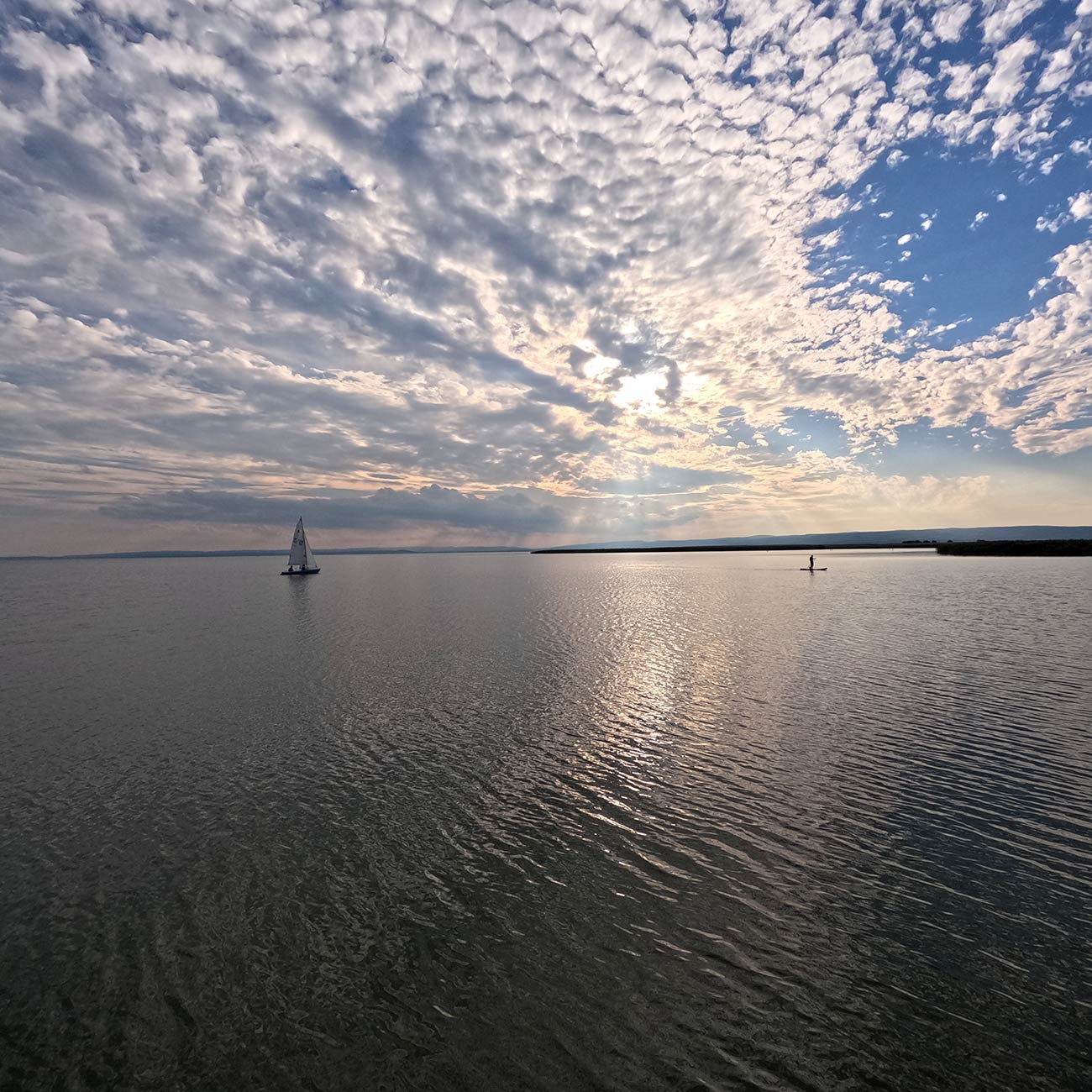
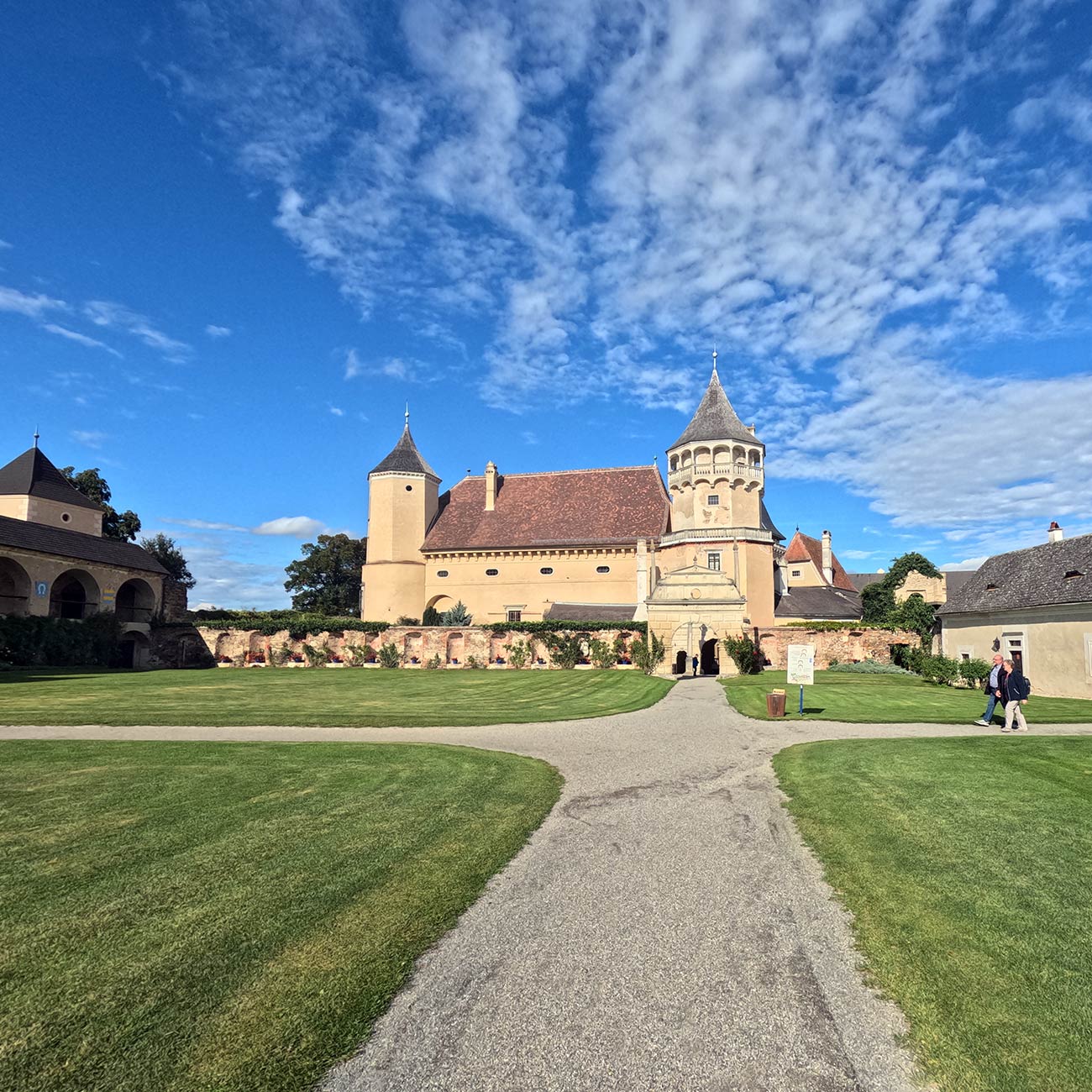
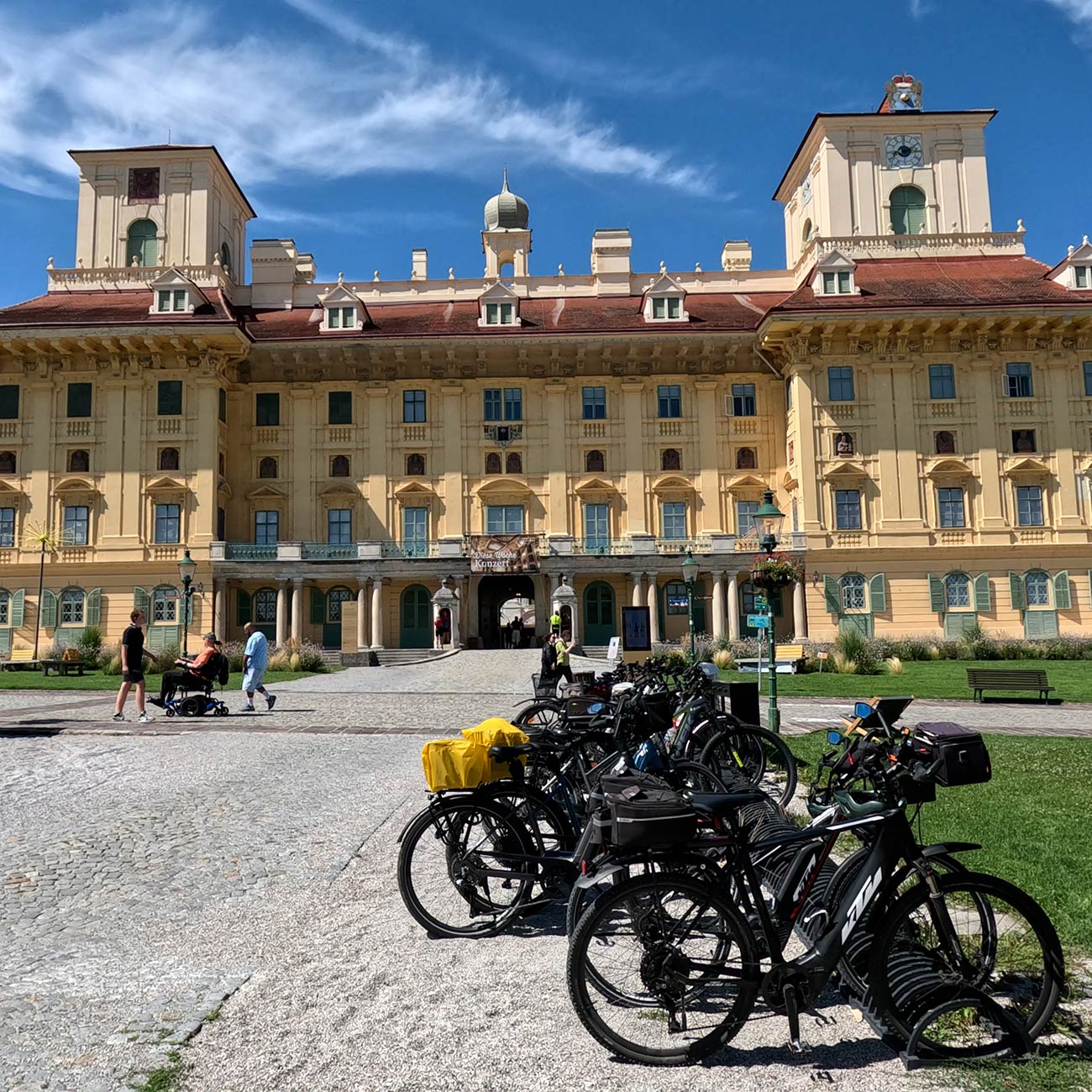
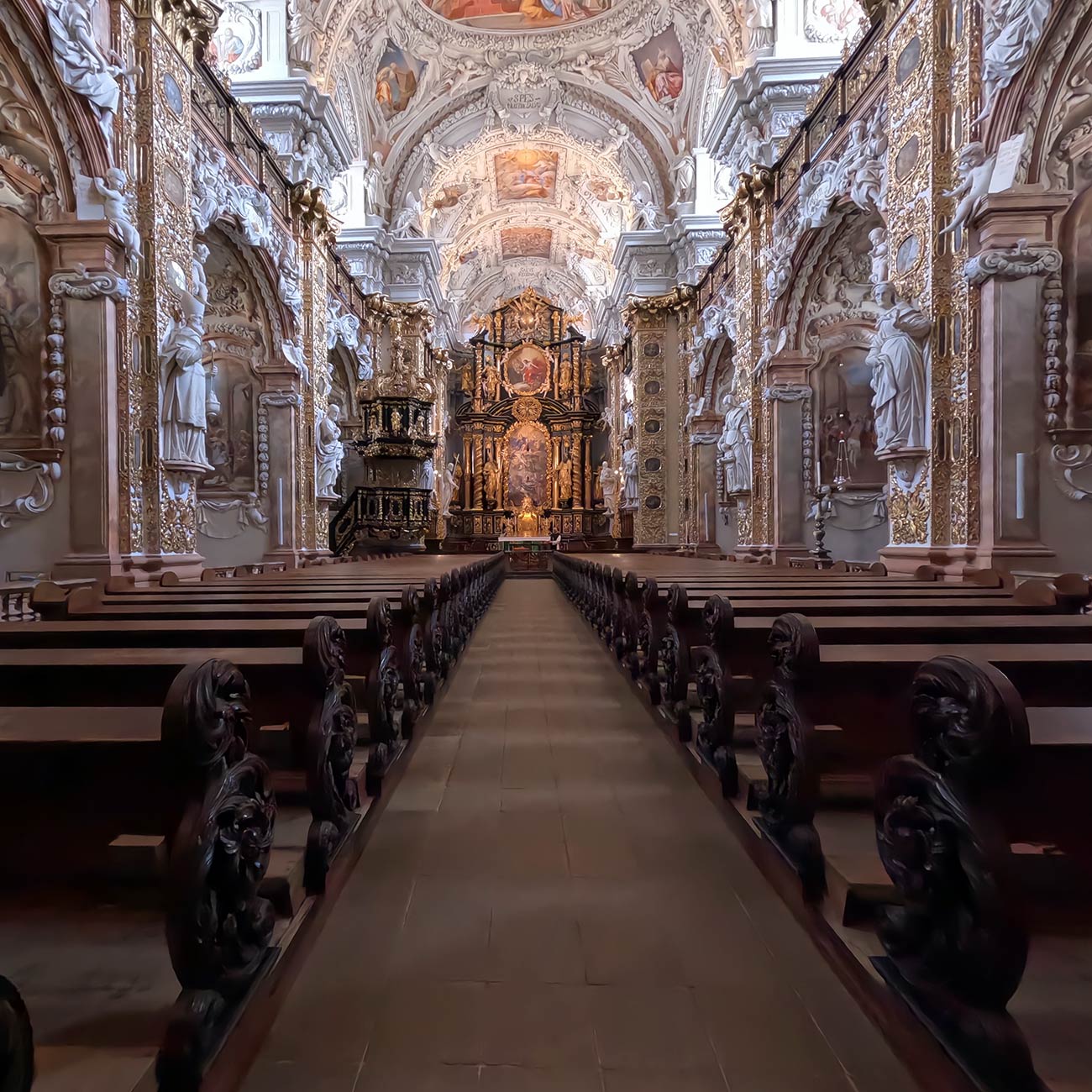
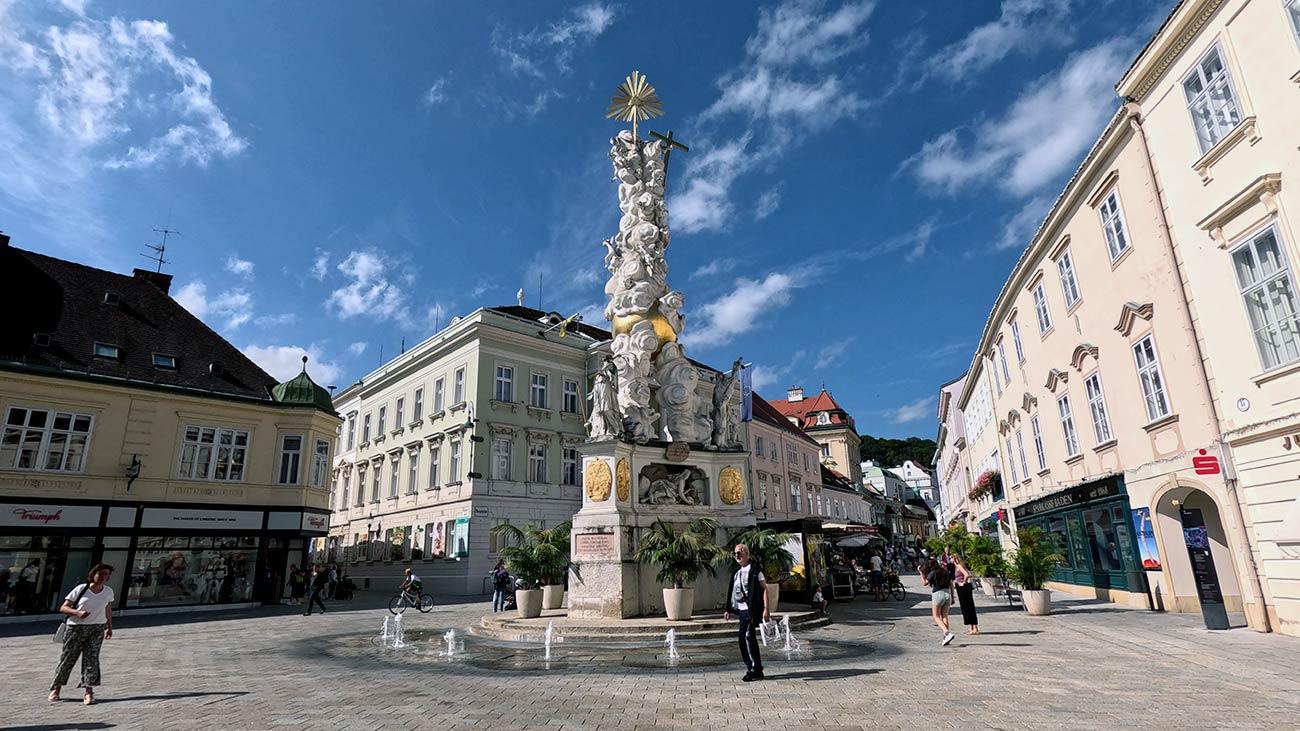
What sets Austria apart on the EuroVelo 6, however, is the sheer density and reach of the public transport network that branches out from the river corridor. The ÖBB rail system radiates from every major Danube town, north into the Waldviertel and south toward the Alps, with regional trains departing frequently throughout the day and a bicycle policy that makes carrying a bike straightforward on virtually any service. From Vienna alone, five of the destinations in this guide can be reached in under an hour by direct train, from a hot-spring spa town in the Vienna Woods to a steppe lake on the Hungarian border. From Linz, the second city on the route, the branches run to Baroque abbeys, medieval walled towns, and a lakeside castle in the Salzkammergut. The result is a corridor where the river itself is only the beginning, and the real depth of the journey lies in the ease with which you can leave the Danube for a morning or a day and return the same evening.
The sections below begin with a practical overview of bicycle transport options on Austrian trains and buses, followed by a map of inland destinations accessible to cyclists by public transport, and individual destination cards with photographs for each location.
Cycling & Public Transport
Below you will find a structured overview of public transport options available for cyclists, including key practical details on how bicycles can be carried on trains, buses, and other services. These notes are intended to help you understand the different possibilities for combining cycling with public transport, and to make it easier to plan flexible connections along your route depending on operator rules, capacity, and local conditions.
Austrian trains
The rail network in Austria is operated mainly by ÖBB (Österreichische Bundesbahnen), the Austrian Federal Railways, which runs most long-distance services and a large share of regional connections across the country. Alongside ÖBB, the private operator Westbahn provides competing long-distance services on the main east-west corridor between Vienna, Salzburg, and onward to Munich. Several smaller regional operators run local and feeder lines on secondary routes, but they are fully integrated into the national rail system, so transfers between operators are straightforward. The Danube region in Austria is particularly well served by rail: the main east-west line links Vienna with Krems, Linz, Wels, Salzburg, and the German border at Passau, closely paralleling the river for much of its length and forming one of the busiest and most reliable rail axes in central Europe. From the main cities along this corridor, dense networks of regional and S-Bahn lines branch out both north and south of the Danube, with frequent departures throughout the day that make inland detours easy to organise without long waiting times or complicated changes. The ÖBB app is the central tool for planning journeys, checking timetables, and purchasing tickets across all services, including both regional and long-distance trains.
Taking your bike
Austria is generally very bike-friendly when it comes to rail transport, especially on regional services operated by ÖBB, which form the core of mobility for cycle touring along the Danube and its connecting corridors. On regional and S-Bahn trains, bicycles can be taken on board for an additional fee, with no advance reservation possible and a first-come, first-served allocation of space. Bicycle tickets are sold as single trips or as affordable daily, weekly, or monthly passes, and the Klimaticket Austria annual pass includes free bicycle transport on regional trains in several federal states. On long-distance services such as Railjet, Intercity, Eurocity, and Nightjet trains, an advance reservation for the bicycle is mandatory, with the bike zones located in second-class carriages. The private operator Westbahn, which runs frequent services along the main east-west corridor between Vienna, Linz, and Salzburg, also accepts bicycles, but only with an advance reservation. Folding bikes are carried free of charge as hand luggage on both ÖBB and Westbahn trains. Overall, the Austrian system is well adapted to cycle tourism and offers a flexible combination of train and bike that makes it easy to leave the EuroVelo 6 route in either direction for short or extended detours.
Bikes on Buses
Long-distance bus services in Austria are primarily operated by FlixBus and by ÖBB-Postbus, the long-distance coach arm of the Austrian Federal Railways, complemented by a smaller number of regional and private coach operators on selected routes. The long-distance bus market in Austria is less developed than in neighbouring countries, as the wider rail network covers most of the country efficiently and many connections that would otherwise be served by intercity coaches are instead handled by train. Bicycle transport is available on certain FlixBus connections, either via external bike racks or in the luggage compartment, but it is not consistently guaranteed across the network and depends on the specific vehicle type and route configuration. Where available, bicycle transport must be reserved in advance and capacity is limited, making it less flexible compared to rail services. ÖBB-Postbus also operates seasonal bicycle and hiking buses in cooperation with regional tourism boards, designed specifically to bring cyclists and hikers to popular starting points along trails and bike paths, although these services run on selected routes only and outside the main long-distance network. As a result, buses are generally used as a secondary option for cyclists, mainly for longer-distance repositioning between major cities rather than as a core part of cycling itineraries along the Danube region. While useful in specific cases where rail connections are less convenient, they are less predictable and less standardised for bicycle transport, so advance planning is essential.